Buying Guide
The best wood rolling pins share a few core traits: solid wood construction, a smooth finish, and a shape matched to the doughs you bake most. Tapered French-style pins are favored for one-handed control on pastry and pie crust, while classic American-style pins with handles and a barrel deliver leverage for pizza and stiff bread doughs. Adjustable thickness rings add a third path, letting you set precise dough heights without guesswork.
Wood Species and Finish
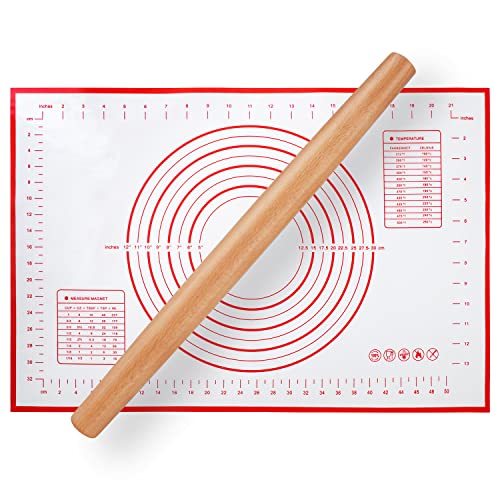
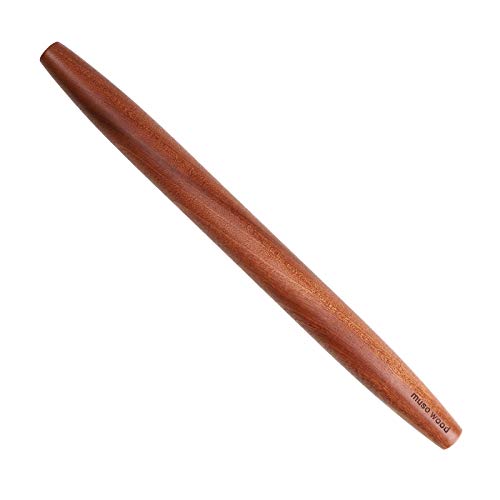
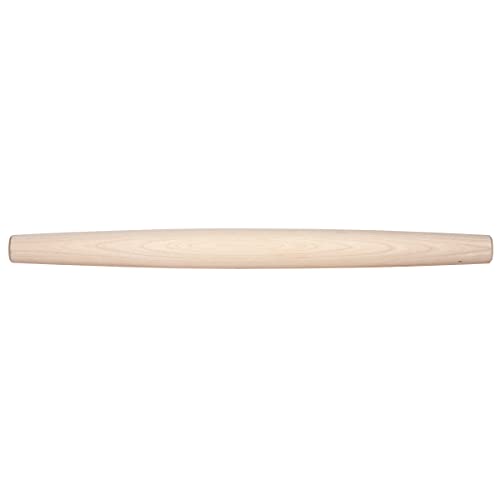
Wood species influences weight, hardness, and surface feel. Beech wood is a common choice for its tight grain and smooth finish, and it appears in the QUELLANCE French Rolling Pin with Silicone Baking Mat, the HELFERX Beech Wood Rolling Pin with Handles, and the muso wood Beech Tapered Rolling Pin. Rubber wood, seen in the KARRYOUNG French Rolling Pin 17 Inch, is dense and durable for daily use. A hand-sanded or burnished surface, as documented across the muso wood pins and the Aisoso French Tapered Rolling Pin, helps reduce dough sticking.
Tapered vs Handled Designs
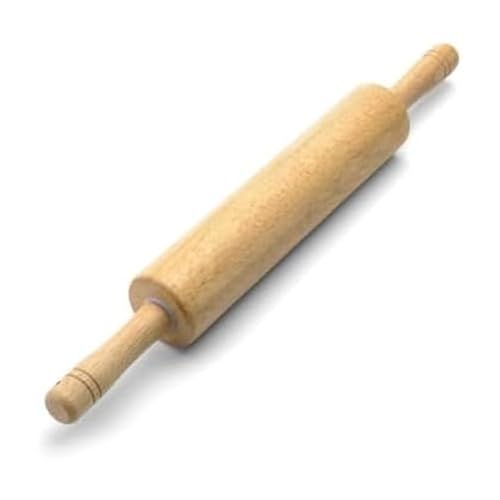
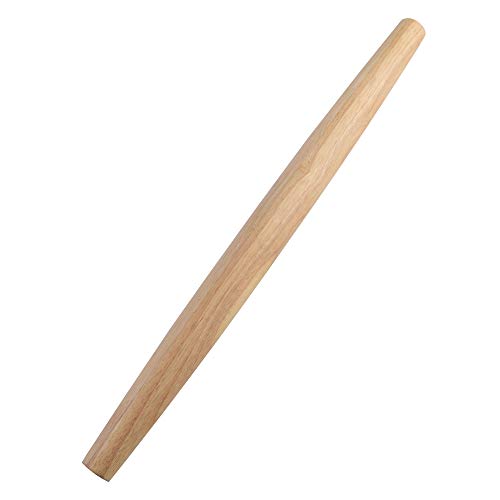
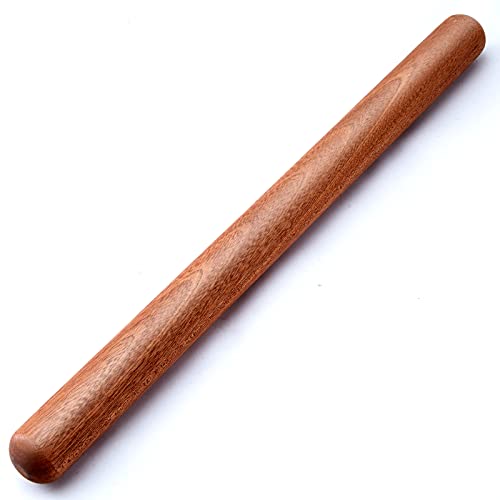
Tapered French pins such as the QUELLANCE French Rolling Pin, the KARRYOUNG French Rolling Pin, and the muso wood Sapele French Rolling Pin rely on hand pressure alone, which gives fine control over small doughs and delicate pastry. Handled American pins like the Farberware Classic Hardwood Rolling Pin, the GoodCook Classic Wooden Rolling Pin with Bearings, and the HELFERX Beech Wood Rolling Pin with Handles add two-handed leverage and built-in bearings for larger or stiffer doughs. Mini T-handle pins such as the LorisArm Mini Wood Rolling Pin with Handle serve small-batch tasks like fondant, dumplings, and individual cookies.
Length, Weight, and Barrel Size
Longer pins, including the 17.75-inch Farberware Classic Hardwood Rolling Pin and the 17.75-inch GoodCook Classic Wooden Rolling Pin with Bearings, cover wider pizza and pastry sheets with fewer passes. Mid-length options around 16 to 17.6 inches, such as the QUELLANCE French Rolling Pin and the HELFERX Beech Wood Rolling Pin with Handles, balance coverage with easy storage. The LorisArm Mini Wood Rolling Pin with Handle trades coverage for compact precision on small doughs.
Adjustable Thickness and Precision
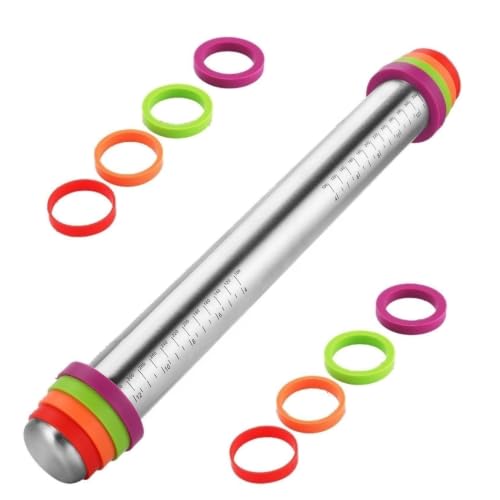
Adjustable thickness rings are a key differentiator for buyers who want repeatable results. By contrast, classic tapered and handled pins rely on visual cues and hand feel rather than fixed heights.
Bundled Accessories and Storage
Several top wood rolling pins ship with extras that change the rolling setup. The QUELLANCE French Rolling Pin pairs the 16-inch beech wood pin with a 23.6 x 15.7 inch silicone pastry mat, creating an instant rolling and measuring surface. The Vinoil Classic Wood Rolling Pin adds a wood stand that doubles as a phone holder. Buyers with limited drawer space may prefer tapered pins, which store easily compared with long handled options.
Care and Cleaning
Most wood rolling pins require hand washing and prompt drying. The Farberware Classic Hardwood Rolling Pin, the QUELLANCE French Rolling Pin, the muso wood Beech Tapered Rolling Pin, and the muso wood Sapele French Rolling Pin all recommend wiping with a damp cloth and drying before storage. Occasional application of food-grade mineral oil, as suggested for the Farberware Classic Hardwood Rolling Pin and the QUELLANCE French Rolling Pin, helps preserve the wood finish. None of the wood rolling pins in this list are dishwasher safe, which is consistent with wooden kitchen tools more broadly.
Final Recommendation
HELFERX Beech Wood Rolling Pin with Handles ranks first overall in this specification-based comparison under the published weighted criteria.
The final choice among the best wood rolling pins depends on the documented features that match your intended use.
For bakers who want a complete rolling setup, the QUELLANCE French Rolling Pin with Silicone Baking Mat stands out as the first overall specification-based choice, pairing a 16-inch tapered beech wood pin with a matching silicone mat. Among top wood rolling pins, it offers the most specification-aligned blend of solid wood, tapered control, and bundled mat for measuring and rolling.
Frequently Asked Questions
What is the difference between a French and an American style wood rolling pin?
A French style rolling pin is a single tapered piece of wood, such as the QUELLANCE French Rolling Pin or the muso wood Sapele French Rolling Pin, and is rolled with hand pressure alone. An American style rolling pin, like the Farberware Classic Hardwood Rolling Pin or the HELFERX Beech Wood Rolling Pin with Handles, adds handles and a central barrel for two-handed leverage and built-in bearings.
Which wood species is best for a wood rolling pin?
Beech wood, used in the QUELLANCE French Rolling Pin and the HELFERX Beech Wood Rolling Pin with Handles, is a common and reliable choice because of its tight grain and smooth finish.
Are adjustable thickness rings worth it on the best wood rolling pins?
Adjustable rings are useful when repeatable dough thickness matters, for example across multiple pizza bases or pie crusts.
How do you clean and maintain a wood rolling pin?
The wood rolling pins in this list are all hand-wash only. The Farberware Classic Hardwood Rolling Pin, the QUELLANCE French Rolling Pin, and the muso wood Sapele French Rolling Pin recommend wiping with a damp cloth, drying promptly, and avoiding soaking. Occasional oiling with food-grade mineral oil helps keep the wood from drying out, as noted for the Farberware Classic Hardwood Rolling Pin and the Vinoil Classic Wood Rolling Pin.
Which wood rolling pin is best for small batch baking?
For small dough portions, a compact tapered or mini pin offers the most control.