Buying Guide
The best aa camera batteries depend first on the battery chemistry and voltage specified by the camera maker. The products in this comparison include disposable lithium, rechargeable lithium, and alkaline AA cells. They are all genuine AA battery products, but they are not interchangeable in every device. A camera that accepts standard LR6 alkaline cells may not support a rechargeable lithium pack, while a high-drain outdoor camera may be better matched with a lithium design documented for that use. This guide uses public listing specifications rather than hands-on testing or customer opinions.
Match the chemistry to the camera
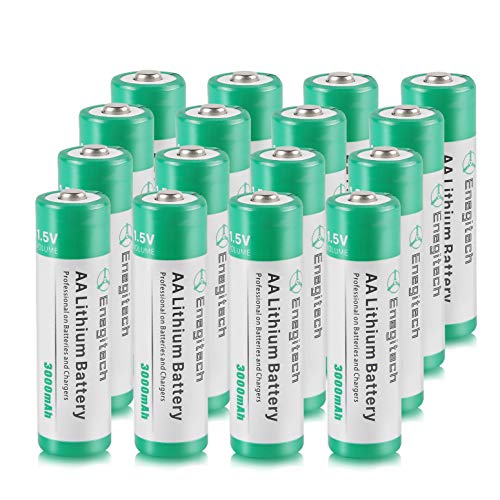
Disposable lithium cells are represented by Energizer Ultimate Lithium, EBL 3700mAh, Enegitech, and POWEROWL Lithium. These products list 1.5V output and are intended for devices such as digital cameras, surveillance cameras, trail cameras, or other high-drain electronics. They do not need a charger, which makes them straightforward for a camera bag or stored backup kit. The trade-off is that each cell is single-use.
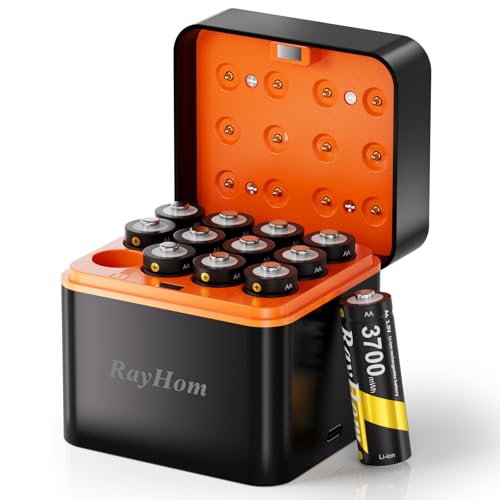
Rechargeable lithium options include Maxfree, RayHom, Hixon, Dracutum, and POWEROWL Pro. Each listing describes 1.5V output, a charging accessory, and capacities stated in mWh. This chemistry can be useful when the same camera is used frequently and the owner wants a repeatable charging routine. However, compatibility is especially important. Check the camera manual rather than assuming every lithium AA has the same electrical behavior.
KODAK Xtralife is the alkaline selection in this list. Its listing identifies the LR6 format and digital-camera compatibility. Alkaline cells remain relevant when a camera calls for standard AA batteries or when a user wants a simple cell without a dedicated charging system. The supplied evidence does not give a specific capacity figure for KODAK, so it should not be compared directly with the lithium products’ stated mAh or mWh figures.
Check voltage and charging requirements
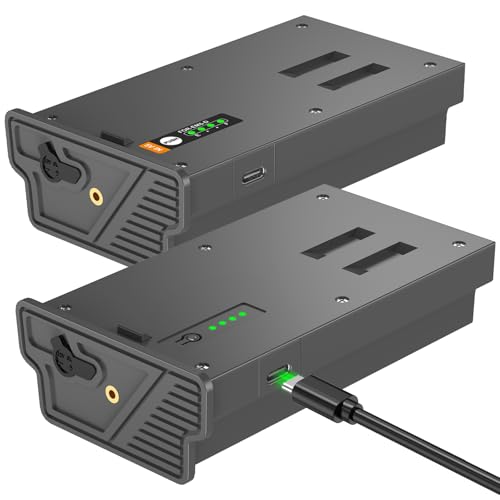
Nominal 1.5V appears throughout the selected lithium and alkaline listings, but rechargeable systems still have their own charger requirements. Maxfree uses a 5V/3A charging dock, RayHom lists a 5V/2A Type-C input, and POWEROWL Pro specifies a Type-C charger. Hixon includes a four-slot charger with an LCD, while Dracutum uses a charging case with individual indicators. Use the charger supplied or specified for the battery system. Do not place rechargeable lithium cells in a charger intended for alkaline cells.
Consider capacity carefully
Capacity figures are most useful when comparing products using the same chemistry and measurement convention. EBL lists 3700mAh, RayHom lists 3700mWh, Maxfree and Dracutum list 3600mWh, Hixon lists 3500mWh, and POWEROWL Lithium lists 3400mAh. These figures come from public listings and are not independent runtime tests. They indicate the manufacturer’s stated specification, not a specific number of photographs or hours in a particular camera.
For a camera that uses several cells, pack size also matters. RayHom includes twelve rechargeable cells, while Maxfree, Dracutum, and POWEROWL Pro include eight. The primary lithium selections range from sixteen cells for Enegitech and POWEROWL Lithium to twenty for EBL and twenty-four for Energizer. A larger pack can simplify rotation, but the correct chemistry and device fit should come before quantity.
Prepare for outdoor conditions
Outdoor camera users should compare the listed temperature range. Energizer, EBL, Enegitech, POWEROWL Lithium, and Dracutum document operation from -40°F to 140°F. EBL lists an even wider -68°F to 140°F range. RayHom lists -20°F to 131°F, while POWEROWL Pro gives -20°C to 60°C. These are product-listing claims, not independent environmental tests, and actual camera performance can also depend on the device enclosure and operating conditions.
Storage life is another useful specification for backup cells. Enegitech and POWEROWL Lithium list ten years, and KODAK lists a ten-year storage claim. Store cells according to the manufacturer’s instructions and keep unused batteries separated from loose metal objects.
Look at charger organization
Rechargeable camera kits differ substantially in how they handle charging. Hixon’s LCD gives charge progress and can detect a broken cell. Maxfree’s case charges all eight cells, while RayHom’s twelve slots work independently. POWEROWL Pro provides twelve charging positions for eight included AA cells. Dracutum adds individual LED indicators and a magnetic case. These features can make it easier to identify charged cells, but they do not replace checking the camera manufacturer’s compatibility requirements.
Final Recommendation
Dracutum Rechargeable AA Lithium Batteries, 8-Pack ranks first overall in this specification-based comparison under the published weighted criteria.
Dracutum is the first overall specification-based choice among these best aa camera batteries. Its 3600mWh rechargeable cells, constant 1.5V output, explicit temperature range, individual charging indicators, and magnetic charging case create a particularly complete specification profile.
Energizer Ultimate Lithium is an alternative when a disposable lithium format, a 24-cell pack, and a broad stated temperature range are priorities. EBL 3700mAh is another option when stated capacity and a 20-cell pack are important, especially for outdoor equipment. For repeated use, Maxfree and Dracutum provide eight-cell rechargeable systems with charging cases, while RayHom is suited to users who want twelve cells and twelve independent charging slots. Hixon is more compact and adds LCD feedback. POWEROWL Pro combines a larger 12-slot charger with eight cells.
Enegitech and POWEROWL Lithium are disposable lithium choices with 16-cell packs, camera-oriented compatibility, and documented environmental ranges. KODAK Xtralife remains the standard alkaline selection for cameras that specify LR6 cells. Across the top aa camera batteries, the decisive checks are chemistry, voltage, charger compatibility, temperature conditions, and the number of cells needed for a rotation.
Frequently Asked Questions
What should I check before choosing the best aa camera batteries?
Check the camera manual for chemistry, nominal voltage, and any restrictions on rechargeable cells. Then compare the listed capacity, temperature range, pack size, and whether a compatible charger is included. A 1.5V label alone does not confirm that every AA chemistry is suitable for every camera.
Are rechargeable lithium AA batteries suitable for every camera?
No. The selected rechargeable lithium products document camera use, but some also list exclusions. Dracutum specifically says it is not compatible with camera flashes, and other devices may have their own requirements. Confirm compatibility with the camera manufacturer before charging or installing a rechargeable lithium AA cell.
Is a higher mAh or mWh number a reliable indicator of longer camera use?
No. Capacity figures are manufacturer-stated specifications and do not constitute an independent runtime test. Camera power draw, flash use, temperature, recording settings, and battery chemistry all affect actual operation. Compare figures within the same chemistry where possible and treat them as specification guidance.
Which selected batteries are documented for cold conditions?
Energizer, EBL, Enegitech, POWEROWL Lithium, and Dracutum list operation down to -40°F or below. POWEROWL Pro provides a Celsius range of -20°C to 60°C, and RayHom lists -20°F to 131°F. These are public listing claims, so follow the camera maker’s environmental guidance as well.
Can I use an alkaline charger with rechargeable lithium AA cells?
Do not assume that chargers are interchangeable. Hixon, Maxfree, RayHom, POWEROWL Pro, and Dracutum provide or specify dedicated charging systems. Use the charger identified for the battery chemistry and model, and follow its input and safety instructions.