Buying Guide
Choosing among the best block archery targets starts with matching the target to the arrows and launching equipment you actually use. A block that is suitable for field points may not be suitable for broadheads, oversized tips, or crossbow bolts. The listings also vary widely in how clearly they state speed or draw-weight limits, so treat those specifications as setup checks rather than universal performance promises.
Match the target to your arrow type
Field-point practice is the broadest common use in this group. That makes these options more appropriate for backyard fundamentals than hunting-arrow preparation.
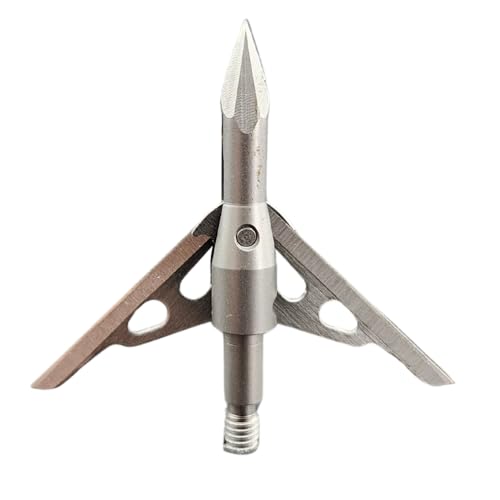
For broadheads, the evidence is stronger for the BLOCK Infinity, Rinehart RhinoBlock XL, Morrell Yellow Jacket Dual Threat, Black Hole, BLOCK Classic, and Rinehart 18-1. The BLOCK Infinity explicitly lists field points, fixed broadheads, and expandable broadheads. The RhinoBlock XL similarly names field points, fixed-blade broadheads, and expandables. Always follow the current manufacturer instructions for the exact target version and arrow diameter.
Crossbow users should pay special attention to whether the listing refers to bolts rather than only arrows. BLOCK Infinity Crossbow 16 is the most directly specialized option here, with a 520 FPS bolt specification. The Rinehart 18-1 and Morrell High Roller also mention crossbow use, while the Black Hole listing identifies a separate crossbow size and speed specification.
Consider shooting-face design
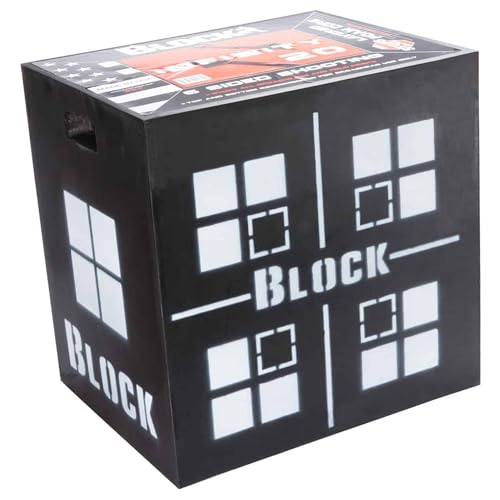
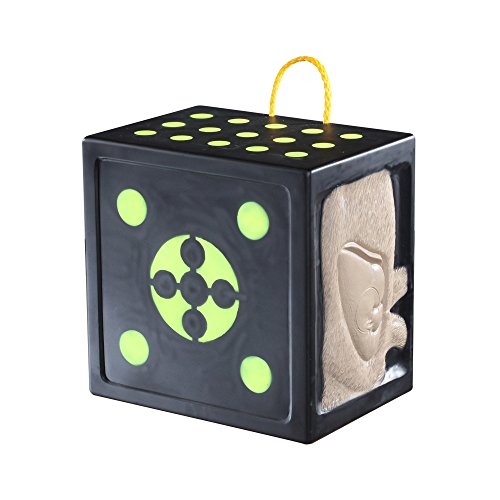
More faces can help distribute impacts and delay concentration in one aiming area, but face count is not the only consideration. The Rinehart 18-1 lists 18 faces, the VEVOR block lists 18 different faces, and the Morrell Big High Roller lists 21 visible bullseyes. Six-sided designs such as the BLOCK Infinity, RhinoBlock XL, and Kalkal offer multiple orientations without requiring a large rectangular target.
Layered targets use a different approach. The BLOCK Classic and Black Hole listings describe open-layer foam that stops arrows through friction rather than force. Their appeal is less about the number of faces and more about the stated arrow-removal design. The Black Hole separates wrapped sides for field points from open-face sides for broadheads and expandables, while the BLOCK Classic is described as a two-sided target.
Check speed, draw weight, and dimensions
A target’s speed number should be compared with the advertised speed of your bow or crossbow, not treated as a substitute for the manufacturer’s full usage instructions. The selected products range from the 45-pound draw-weight guidance on the Kalkal to 300 FPS for the standard Black Hole size, 350 FPS for the Morrell Dual Threat, 500 FPS for several advanced models, and 520 FPS for the BLOCK Infinity Crossbow 16.
Dimensions affect both aiming space and storage. The larger BLOCK Infinity 22 and the 22-inch BLOCK Classic offer broad faces, while the 15-inch Rinehart 18-1 and VEVOR block are easier to fit into compact practice areas. A large target can be more forgiving for beginners, but it may also be harder to relocate. The listed 25-pound weight of the RhinoBlock XL is a clear example of how a substantial construction can affect portability.
Look for practical transport features
Handles appear on many selected models, including the VEVOR, Kalkal, Black Hole, BLOCK Classic, RhinoBlock XL, Rinehart 18-1, and Morrell options. A handle is useful when the target moves between a backyard, range, or hunting camp, but it does not tell you how heavy the target is. Where supplied, compare actual listed weight: the Kalkal is listed at the current price, VEVOR at the current price, and RhinoBlock XL at the current price.
Prioritize visible aiming points
High-contrast faces are useful when shooting from longer distances or changing light. The BLOCK Classic lists black-and-white contrast, while VEVOR, Kalkal, Black Hole, and Rinehart products describe bright or highly visible aiming areas. The Morrell Big High Roller stands apart with 21 visible bullseyes. Choose a layout that fits your drills: simple dots for repetition, deer vitals for hunting preparation, or multiple patterns for varied sessions.
How to use this comparison
This is a specification-based comparison using public listing data. It is not a hands-on test and does not summarize customer opinions. Scores reflect only the documented category features above; they do not include marketplace ratings, current listing information, purchase activity, or volatile seller labels. Before use, confirm the exact model, arrow type, speed, draw weight, and placement requirements supplied by the manufacturer.
Final Recommendation
BLOCK Infinity 22 Foam Target ranks first overall in this specification-based comparison under the published weighted criteria.
BLOCK Infinity 22 is the highest-scoring returned product and the first overall specification-based choice. Its six faces, five listed designs, layered foam, and stated 500 FPS support give it the broadest combination of documented versatility for many archers. The Rinehart RhinoBlock XL is the better fit when realistic deer-vital practice is central, while the BLOCK Infinity Crossbow 16 is the clearest specialized pick for high-speed crossbow bolts.
Among the best block archery targets for lighter backyard use, VEVOR and Kalkal emphasize portability and multiple aiming faces, but both have important arrow restrictions. The Black Hole and BLOCK Classic are compelling layered-format choices when easy arrow removal and friction-based stopping are priorities. Buyers should select based on compatibility first, then weigh face variety, size, transport, and visibility.
The top block archery targets are not interchangeable: a field-point-only block, a broadhead-capable hunting target, and a crossbow-rated model serve different practice plans. Treat every speed, draw-weight, and arrow-tip statement as model-specific, and do not exceed the supplied guidance.
Frequently Asked Questions
What should I check before buying one of the best block archery targets?
Confirm whether the target accepts field points, fixed broadheads, expandable broadheads, or crossbow bolts. Then compare your equipment’s speed or draw weight with the listing’s stated limit. Dimensions, weight, face count, and handle design help determine whether the target fits your practice space and transport needs.
Are all block targets suitable for broadheads?
No. The VEVOR listing recommends against broadheads, and Kalkal excludes broadhead and crossbow arrows. By contrast, the BLOCK Infinity, RhinoBlock XL, Morrell Dual Threat, Black Hole, BLOCK Classic, and Rinehart 18-1 listings provide broadhead-related compatibility claims. Verify the exact model instructions before shooting.
Which selected target is designed specifically for crossbows?
The BLOCK Infinity Crossbow 16 is the most specifically crossbow-oriented selection. Its listing identifies standard-diameter bolts and a 520 FPS capacity, along with six shooting faces and layered foam. The Rinehart 18-1 and Morrell High Roller also document crossbow use, but their feature emphasis is broader.
Does more than one shooting face make a target better?
Multiple faces can provide more aiming layouts and help spread shots across the target, but face count alone does not determine suitability. Arrow compatibility, speed guidance, removal design, target size, and visibility are equally important. A two-sided layered target may be preferable if easy arrow removal is your main priority.
What is a practical lightweight option for younger archers?
The Kalkal block is listed at the current price, includes handles, and is intended for recurve, compound, and youth bows up to a stated 45-pound draw-weight test. The VEVOR block is also relatively light and lists a recommendation for bows up to the current price. Neither should be treated as a broadhead option based on the supplied restrictions.