Buying Guide
Choosing among the best carbon violin bows is easier when the comparison focuses on what the supplied evidence actually documents. Carbon fiber is a composite that trades the variability of natural wood for stability, climate resistance, and predictable bounce. The best carbon violin bows in this guide all use either a solid carbon fiber stick or a hybrid design, and the differences show up in the frog, hair, and construction details rather than in the broad category label.
Stick Construction and Hybrid Designs
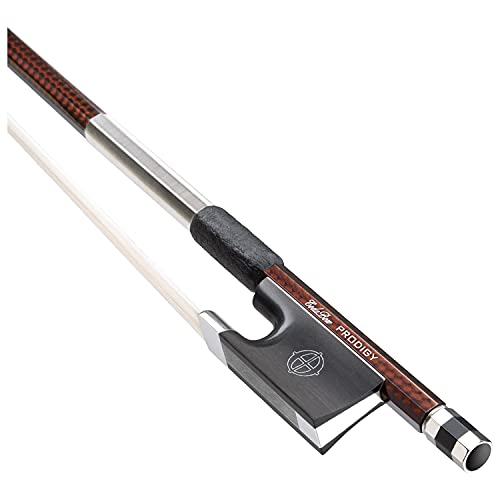
Stick construction is the single most important specification for a carbon bow. The CodaBow Prodigy uses a graphite diamond weave finish with a blended acoustic core, while the CodaBow Diamond GX adds a Kevlar acoustic core for a stiffer, more stable response. The D Z Strad Model 854 and Master Model both use a silver-braided carbon fiber stick with a round profile, while the D Z Strad Model 303 uses a braided carbon fiber stick with nickel and silver lining.
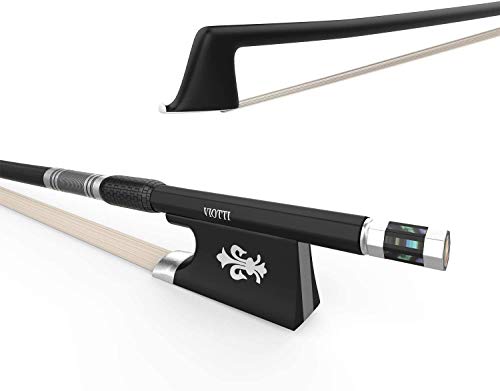
Hybrid designs place a carbon core inside a wood skin. The VINGOBOW Wood and Carbon Fiber Hybrid uses a carbon fiber core with a wood skin for a traditional appearance, and the Fiddlerman Hybrid uses a high carbon composite core with a Pernambuco wood exterior aimed at adding warmth. Pure solid carbon sticks like the Viotti Carbon Fiber, VINGOBOW 106VB, VINGOBOW 100VB, MI&VI NB-760, and Giuliani Carbon Fiber prioritize consistent behavior across climates. Players who travel frequently or live in humid regions often prefer solid carbon because the material is documented as less susceptible to environmental changes than wood.
Balance, Weight, and Playing Feel
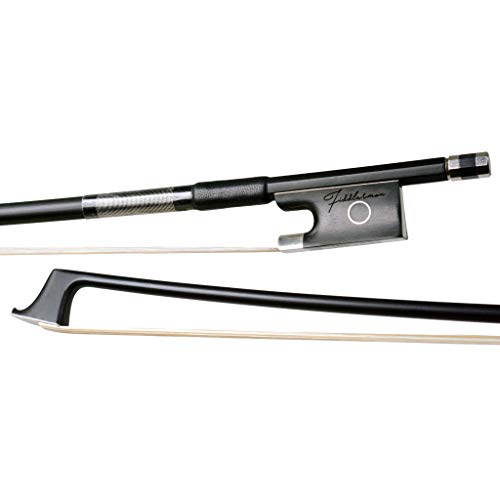
Balance and weight shape how the bow feels in the hand. A few listings document specific weights and lengths, which makes them easier to compare on paper. The D Z Strad Model 854 lists 62 g with a 29.25-inch length, the VINGOBOW Wood and Carbon Fiber Hybrid lists approximately 60 g and 74.5 cm including the screw, and the VINGOBOW 106VB lists close to 60 g and approximately 74.5 cm including the screw. The Viotti Carbon Fiber lists a 58-62 g weight range, and the MI&VI NB-760 lists a 60 g weight. The Fiddlerman Carbon Fiber and Black Carbon Fiber Weave both use a high carbon composite hollow stick aimed at balance and resonance.
When the listing does not specify a weight, arch and balance point are still useful signals. The VINGOBOW listings explicitly note that the master bow-maker adjusts the balance point several times, and the Fiddlerman listings describe the hollow stick arch as having good bounce and action for playability. A balanced bow with a documented weight is easier to match to a specific instrument and player size.
Frog, Fittings, and Hardware
The frog and metal fittings influence vibration transfer, weight distribution, and longevity. The CodaBow Prodigy uses a traditional Walter Paulus frog with Xebony engineered ebony, sterling silver winding, and a white mother-of-pearl slide. The CodaBow Diamond GX uses a polished premium ebony frog by Walter Paulus. The D Z Strad Model 854 uses a polished ox horn frog with fleur-de-lis inlay, while the D Z Strad Model 303 and Master Model use an ebony frog with inlaid fleur-de-lis.
The VINGOBOW Wood and Carbon Fiber Hybrid uses an ebony frog with Parisian eyes and nickel silver mounting, while the VINGOBOW 106VB uses a peacock flow inlay. Ebony frogs are denser than horn or composite frogs and may shift the feel slightly forward; nickel and silver windings affect both weight and visual style. The MI&VI Two Classic Brazilwood and Carbon Fiber bow set uses an octagonal silver mount for the carbon bow in the set.
Hair, Grip, and Acoustic Output
Most of the top carbon violin bows in this guide use unbleached Mongolian horsehair, including the D Z Strad Model 854, Model 303, Viotti, MI&VI NB-760, and VINGOBOW 106VB. The Fiddlerman Carbon Fiber and Hybrid bows use Siberian horsehair, and the VINGOBOW 100VB uses natural black Mongolian horsehair described as thicker than white hair.
Grips vary across the pool. The CodaBow Prodigy uses a Moroccan leather grip, the Fiddlerman bows use a cowhide leather wrap, and the VINGOBOW Wood and Carbon Fiber Hybrid uses a cow leather grip. Grip choice affects comfort and moisture absorption, and players with longer practice sessions often prefer leather for its feel and durability.
Environmental Resilience and Travel Use
Carbon fiber is documented in multiple listings as less susceptible to changing environmental conditions than wood. The Fiddlerman Carbon Fiber and Fiddlerman Hybrid both list climate stability as a defining feature, while the D Z Strad Model 854 and Model 303 explicitly state the carbon fiber stick is more resilient and less susceptible to changing environmental conditions. The VINGOBOW listings describe the carbon stick as stronger and more durable than Pernambuco. For players who cross climates with a touring schedule, the documentation of carbon stability is a useful specification signal even when the exact environmental tolerances are not quantified.
Craftsmanship, Warranty, and Inspection
Several listings document specific craftsmanship and warranty terms. The CodaBow Prodigy is individually numbered with a limited 5-year warranty to the registered owner. The CodaBow Diamond GX is handcrafted in the USA, individually numbered, and carries a limited lifetime warranty to the original player when purchased from an authorized dealer. The Viotti is handcrafted by professional bow makers at an award-winning workshop and ships in a hard case. The D Z Strad bows list a 3-month warranty, and the MI&VI NB-760 lists a 30-day no-hassle return warranty. The Fiddlerman bows list a 30-day money-back guarantee. These terms matter for long-term ownership and are part of the documented specification profile.
Final Recommendation
CodaBow Prodigy Carbon Fiber 4/4 Violin Bow ranks first overall in this specification-based comparison under the published weighted criteria.
The final choice among the best carbon violin bows depends on the documented features that match your intended use.
The CodaBow Diamond GX Carbon Fiber 4/4 Violin Bow stands as the first overall specification-based choice among the top carbon violin bows in this guide. Its Kevlar acoustic core, handcrafted-in-USA build, individually numbered construction, and limited lifetime warranty to the original registered player give it the most aligned documented specification profile in the pool. The CodaBow Prodigy is the alternative specification-based choice for players who want a more traditional feel with a graphite diamond weave finish and blended acoustic core. For players who prefer braided carbon construction with an ebony frog, the D Z Strad Master Model and D Z Strad Model 303 are the documented specification picks, while the D Z Strad Model 854 is the choice for players who want a documented 62 g weight and an ox horn frog.
Among the carbon violin bows in the entry-tier specification ranges, the Fiddlerman Carbon Fiber and Fiddlerman Black Carbon Fiber Weave use a hollow composite stick aimed at resonance and balance, and the Fiddlerman Hybrid adds a Pernambuco wood exterior for warmth. The MI&VI NB-760 documents a 60 g weight and a silver winding mount, and the MI&VI Two Classic set pairs a carbon bow with a Brazilwood bow for players who want both options. The VINGOBOW 106VB and 100VB document specific weights and lengths, while the VINGOBOW Wood and Carbon Fiber Hybrid and VINGOBOW Golden Diamond Carbon Fiber 140V offer wood-skin and master-level hybrid construction. Across these carbon violin bows, the documented specification differences are the most useful basis for a side-by-side choice.
Frequently Asked Questions
What makes the best carbon violin bows different from wood bows?
The best carbon violin bows use a carbon fiber stick or a carbon core that is documented as more resilient and less susceptible to changing environmental conditions than wood. Wood bows can vary between pieces and respond to humidity, while carbon bows are designed for stable behavior across climates.
Are the best carbon violin bows only for beginners?
No. The best carbon violin bows in this guide span multiple skill levels. The CodaBow Diamond GX is built for advanced players with a Kevlar acoustic core and a lifetime warranty, while the VINGOBOW 106VB and VINGOBOW Golden Diamond 140V target advanced and professional players. Hybrid models like the VINGOBOW Wood and Carbon Fiber Hybrid and Fiddlerman Hybrid are documented for broader skill ranges.
How important is the frog material on the carbon violin bows?
The frog material affects vibration transfer, weight, and visual style. The D Z Strad Model 854 uses a polished ox horn frog, and the MI&VI NB-760 uses a silver winding mount. The frog choice is part of the specification profile rather than a single deciding factor.
Do the carbon violin bows come with documented weights?
Some do. The D Z Strad Model 854 lists 62 g, the VINGOBOW 106VB and Wood and Carbon Fiber Hybrid list approximately 60 g, the Viotti lists a 58-62 g range, and the MI&VI NB-760 lists 60 g. Other listings focus on balance and arch without listing a specific weight, so the supplied evidence can be used to compare models that actually document a number.
Can the carbon violin bows be used for travel?
Yes. The Fiddlerman Carbon Fiber, Fiddlerman Hybrid, D Z Strad Model 854, D Z Strad Model 303, VINGOBOW listings, and MI&VI listings all document climate stability or composite durability aimed at moving players.