Buying Guide
Choosing the best cedar mulch for your landscape starts with understanding how each form behaves once it is spread. Below is a practical breakdown of the major decisions that shape a buying choice, drawn from the specifications and descriptions of the products in this guide.
Shred, Chip, or Granule
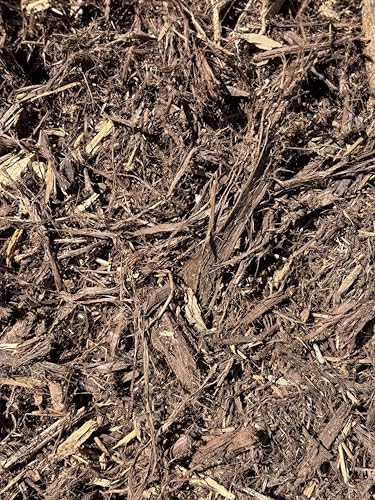
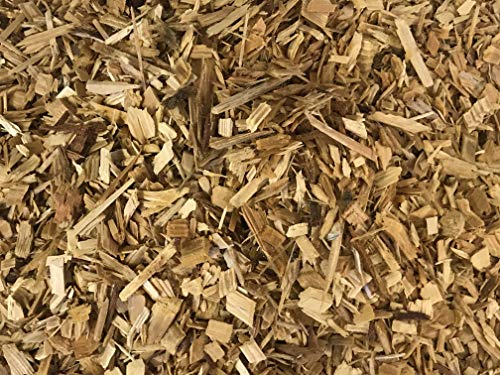
Cedar mulch comes in three main textures, and each one fits a different part of the yard. Triple shredded forms like Home And Country USA Triple Shredded Virgin Root Cedar Mulch lay down as a fine, uniform mat that hugs bed edges and paths. Shredded red cedar forms such as Natural Shredded Red Cedar Mulch are designed to interlock and mat down, which makes them useful on slopes where erosion is a concern. Chip forms like Western Red Cedar Chip Mulch and Cedar Wood Chip Mulch are larger pieces that allow more airflow and water penetration, which is helpful around trees and shrubs. Granule forms are smaller than chips and are typically used as a scatter product around perimeters rather than as a thick bed cover.
Cedar Species and Purity
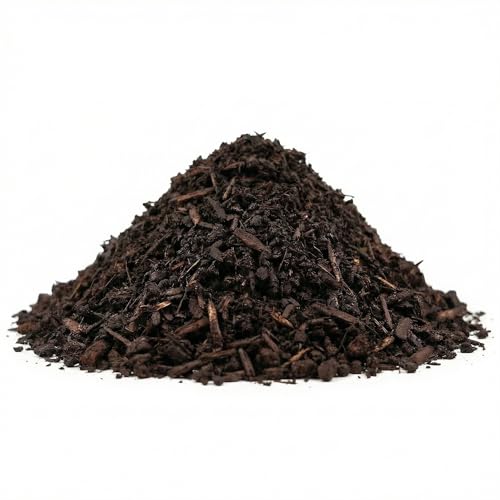
Western red cedar and aromatic cedar are the two species most often seen in residential mulch products. Western red cedar is known for its natural reddish tone and long decomposition timeline, which is why it appears in products such as Western Red Cedar Chip Mulch. Aromatic cedar carries the classic cedar scent associated with closets and sachets. Pure cedar products like Cedar Bark and Fiber Mulch, 3.0 Cu. Ft. and MIGHTY109 100% Natural Shredded Cedar Mulch highlight that they contain 100% cedar with no added dyes or chemicals, while dyed options like Capital Forest Products Black Cedar Mulch add color through a black dye that may matter for design but not for purity seekers.
Package Volume and Coverage
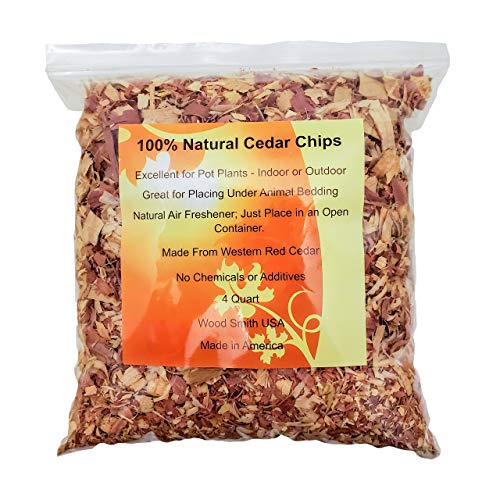
Volume affects how far a single bag will spread across a bed. The 3 cubic foot options in this guide, including Cedar Bark and Fiber Mulch, 3.0 Cu. Ft., Capital Forest Products Cedar Mulch, 3.0 Cu. Ft., and Capital Forest Products Black Cedar Mulch, are well suited to larger beds and foundation plantings. The 42 quart bags, including Western Red Cedar Chip Mulch, Cedar Wood Chip Mulch, and Natural Shredded Red Cedar Mulch, sit in the middle for typical residential projects. The 4 quart Wood Smith USA cedar chip and cedar shavings bags are designed for container plants, hanging baskets, and small accents rather than full garden coverage.
Soil, Moisture, and Weed Benefits
Most cedar mulches in this set are documented to retain soil moisture, reduce evaporation, and suppress weed growth. Products such as Capital Forest Products Cedar Mulch, 3.0 Cu. Ft. explicitly list weed suppression, erosion reduction, and moisture retention. Cedar Bark and Fiber Mulch, 3.0 Cu. Ft. adds the claim that cedar is a natural source of nitrogen that supports root growth, which broadens its soil benefit beyond simple coverage. Natural Shredded Red Cedar Mulch lists moisture retention and weed suppression as core functions, and its shredded form is specifically tied to erosion control on slopes.
Aroma and Natural Pest Repellence
Cedar naturally contains oils that discourage many insects, and several listings call this out directly. Cedar Wood Chip Mulch references a distinctive cedar aroma that can deter pests, while Capital Forest Products Black Cedar Mulch states that it is naturally resistant to insects, rot, and decay. MIGHTY109 100% Natural Shredded Cedar Mulch markets a pleasant natural scent as part of the working experience. For gardeners who want the most specification-aligned insect-repellent documentation in the set, the Capital Forest Products black cedar option is the most explicit.
Longevity and Decomposition Resistance
Because cedar contains natural oils, it tends to break down more slowly than many softwood mulches, and several products in this guide highlight that timeline. Cedar Bark and Fiber Mulch, 3.0 Cu. Ft. markets slower decomposition as a feature, while Cedar Wood Chip Mulch and Western Red Cedar Chip Mulch both describe cedar as a long-lasting material. Capital Forest Products Black Cedar Mulch emphasizes longer-lasting performance through its rot and decay resistance claim. Home And Country USA Triple Shredded Virgin Root Cedar Mulch may break down faster than chips because of its finer texture, which is a normal trade-off for the cleaner border appearance.
Matching Mulch to Project Size
For a full backyard refresh or a new foundation planting, a 3 cubic foot product such as Cedar Bark and Fiber Mulch, 3.0 Cu. Ft. or Capital Forest Products Cedar Mulch, 3.0 Cu. Ft. covers the most ground per bag. For a slope or a windy site, Natural Shredded Red Cedar Mulch is purpose-built for erosion control. For a path or a tidy bed edge, Home And Country USA Triple Shredded Virgin Root Cedar Mulch offers the cleanest finish. For container gardens and indoor plants, Wood Smith USA 100% Natural Cedar Chips and Wood Smith USA 100% Natural Cedar Shavings provide the smaller volumes that fit those settings.
Final recommendation
Cedar Bark and Fiber Mulch, 3.0 Cu. Ft. ranks first overall in this specification-based comparison under the published weighted criteria.
The final choice among the best cedar mulch depends on the documented features that match your intended use.
For a specification-based top cedar mulch choice that combines a fully cedar composition, a generous 3 cubic foot volume, and documented soil and longevity benefits, Cedar Bark and Fiber Mulch, 3.0 Cu. Ft. is the most specification-aligned overall specification-based pick. It is a 100% cedar bark and wood fiber product with explicit nitrogen and slow-decomposition claims, which makes it the most versatile option for general landscape use among the products reviewed. Gardeners who want a darker aesthetic should consider Capital Forest Products Black Cedar Mulch for its documented insect and rot resistance, while those working on slopes should weigh Natural Shredded Red Cedar Mulch for its erosion-control design. The top cedar mulch choice ultimately depends on whether your priority is volume, color, slope performance, or container scale.
Frequently Asked Questions
What is the best cedar mulch for a typical home garden bed?
For a standard residential bed, a 3 cubic foot product with documented moisture and weed benefits tends to be the most efficient. Cedar Bark and Fiber Mulch, 3.0 Cu. Ft. and Capital Forest Products Cedar Mulch, 3.0 Cu. Ft. both fit that profile and are the most specification-aligned general-purpose picks in this guide for the best cedar mulch for most home beds.
Shredded mulches that mat down when spread are the most effective on slopes, because the interlocking fibers resist wash-out. Natural Shredded Red Cedar Mulch is specifically marketed for erosion control on slopes and is the best cedar mulch option in this set for sloped or high-wind sites.
Is dyed cedar mulch a good choice?
Dyed cedar mulch, such as Capital Forest Products Black Cedar Mulch, can create a uniform dark color in a bed and is documented to resist insects, rot, and decay. Gardeners who prefer 100% undyed material should choose a pure product like Cedar Bark and Fiber Mulch, 3.0 Cu. Ft. or MIGHTY109 100% Natural Shredded Cedar Mulch instead.
What cedar mulch is best for potted plants and containers?
Small-volume cedar products are best for containers, hanging baskets, and indoor plants. Wood Smith USA 100% Natural Cedar Chips and Wood Smith USA 100% Natural Cedar Shavings are both designed for those uses and offer the cedar aroma and moisture holding that container plants benefit from.
Does cedar mulch really deter insects?
Cedar contains natural oils that are documented to repel many insects, and several products in this guide mention that effect. Capital Forest Products Black Cedar Mulch and Cedar Wood Chip Mulch both describe insect-repellent properties tied to the natural aroma of cedar.