Buying Guide
Choosing the best foldable on-ear headphones starts with separating the folding mechanism from the rest of the specification. A model may fold flat, rotate its ear cups, or simply collapse at the hinges. Those details affect how easily it fits in a backpack, laptop bag, or carry-on. The products above document each design in different ways, so compare the stated portability features rather than assuming every on-ear headphone packs identically.
Decide between wireless and wired listening
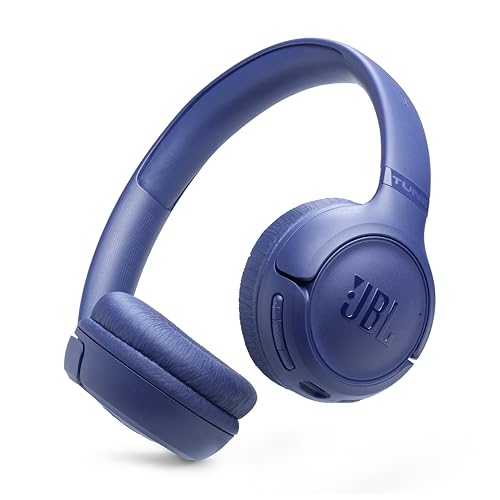
Wireless models are convenient when a cable-free connection is important. The Marshall Major V lists Bluetooth operation, 100+ hours of playtime, wireless charging, and a detachable audio cable. That combination gives it both wireless and wired flexibility. The JBL Tune 670NC and JBL Tune 520BT focus on Bluetooth listening, with the former adding Bluetooth 5.3 with LE Audio and the latter specifying Bluetooth 5.3, USB-C charging, and Voice Aware for calls.
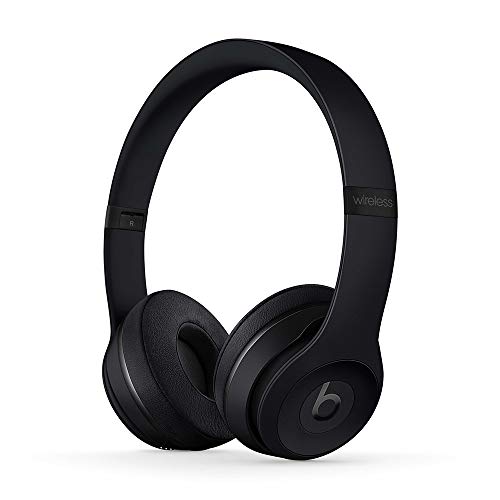
The Beats Solo3 also supports wireless use across iOS and Android devices. Its Apple W1 chip and Class 1 Bluetooth are specifically listed, but the supplied evidence does not identify a detachable cable. If you prefer not to manage battery charging, a wired model is more direct. JLab, JVC, Panasonic, Sony, and Amazon Basics provide wired choices with no wireless battery requirement.
Match the fold to your bag
Flat-fold designs are useful when storage space is limited. The JVC HASR185B explicitly describes a two-way flat and compact foldable design, while the JVC HAS160M states that it folds flat. These are the clearest choices for shoppers prioritizing a slim packed shape. The JLab Neon uses rotating ear cups that fold into the palm of your hand, giving it a different but still travel-oriented approach.
The Sony MDR-ZX310AP documents a swivel folding design, and the Panasonic RP-HT227-K describes a collapsible build for bags and carry-on luggage. Wireless models also document folding, including the Marshall Major V, JBL Tune 520BT, and Beats Solo3. Check the dimensions and listed weight when possible: Panasonic lists 0.2 pounds, JVC HASR185B lists 0.308647 pounds, and JBL Tune 520BT lists 0.34375 pounds.
Consider sound hardware and controls
Driver size alone does not establish sound quality, but it is useful specification evidence. Marshall describes balanced bass, mids, and treble, while JBL identifies its Pure Bass sound on both Tune models. The JLab Neon lists 40mm neodymium drivers. JVC HASR185B and HAS160M specify 30mm neodymium drivers, Sony MDR-ZX310AP lists 30mm dome drivers, and Panasonic uses dual 28mm HD drivers with an XBS bass port.
Controls can matter as much as the driver description. Marshall provides a customizable M-button and EQ access. JBL Tune 670NC supports sound adjustment through its app, and Tune 520BT also lists app-based EQ. Wired models offer simpler controls: Panasonic puts volume controls on the cord, JVC HASR185B includes a one-button remote, and the Amazon Basics headset provides inline volume and mute controls.
Check call requirements
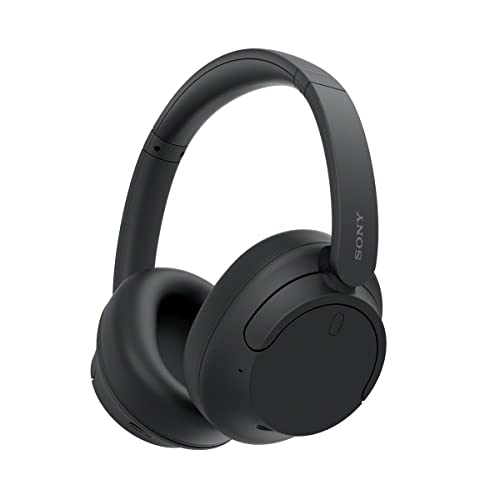
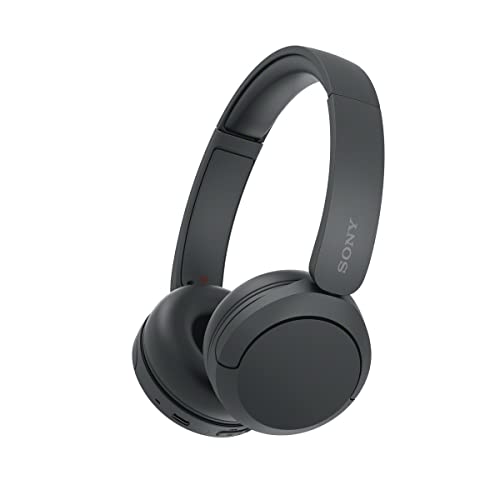
For phone calls, online classes, or meetings, look for an explicitly documented microphone. Marshall, Beats, JLab, both JVC models, and Sony identify microphone support. The Amazon Basics model goes further with a flexible boom microphone described for calls and meetings. Its package includes a USB-A adapter and a 3.5mm cable, which can be useful when switching between a computer and a device with an audio jack.
The JBL Tune 520BT lists hands-free calls and Voice Aware, while the Tune 670NC listing includes app and ambient-awareness features but does not provide the same specific microphone detail in the supplied evidence. Avoid assuming that every wireless headphone has identical call hardware; use the product’s stated feature list as the deciding evidence.
Compare power and charging needs
Battery specifications are central for wireless headphones. Marshall states 100+ hours of wireless playtime and wireless charging. JBL Tune 520BT states up to 57 hours, with a five-minute charge providing three additional hours. Beats Solo3 lists up to 40 hours and a five-minute Fast Fuel charge for three hours. These figures are supplied claims, not independently measured results.
The wired selections do not require headphone battery charging. That makes JLab Neon, JVC HASR185B, JVC HAS160M, Panasonic RP-HT227-K, Sony MDR-ZX310AP, and the Amazon Basics headset suitable for users who want a ready-to-use wired connection. Device compatibility still matters, especially because the listed connections include 3.5mm plugs and, for Amazon Basics, a USB-A adapter.
Review fit and wearing details
On-ear headphones rest on the ears, so adjustability and padding are important specification checks. Marshall lists a lightweight foldable design, Beats describes comfort-cushioned ear cups and an adjustable fit, and JBL Tune 520BT is described as lightweight and comfortable. JLab Neon has plush circular ear cups and an adjustable headband. The JVC models list soft earpads or lightweight construction, while Panasonic specifies soft padded ear cups.
The Amazon Basics headset is identified for small to medium head sizes and includes padded ear cups with an adjustable headband. These details help narrow the choice, but they cannot predict personal comfort. Head shape, clamping preference, and ear sensitivity vary, so treat fit descriptions as selection guidance rather than a prediction.
How this comparison was scored
The editorial score uses five category-specific criteria: foldability and portability, connectivity flexibility, audio capability, battery or power practicality, and comfort and fit. Each product was scored from 0 to 10 using only the supplied titles, feature descriptions, and specifications. The weighted criteria total 100 points. This is a specification-based comparison, not a hands-on test and not a summary of customer opinions.
Final Recommendation
Marshall Major V Wireless On-Ear Headphones ranks first overall in this specification-based comparison under the published weighted criteria.
Marshall Major V Wireless On-Ear Headphones is the highest-scoring returned product and the first overall specification-based choice among these best foldable on-ear headphones. Its 100+ hours of stated playtime, wireless charging, detachable audio cable, foldable build, microphone, and customizable controls give it a broad documented feature set in the comparison.
For noise-control features, JBL Tune 670NC is the focused alternative because its listing documents Adaptive Noise Cancelling, Smart Ambient, TalkThru, Bluetooth 5.3 with LE Audio, and app-based EQ. JBL Tune 520BT suits users who prioritize long wireless runtime without needing the listed noise-control modes. Beats Solo3 remains a useful cross-platform option with iOS and Android compatibility, foldability, and Fast Fuel charging.
For wired portability, JVC HASR185B has the clearest flat-fold emphasis, while JLab Neon adds rotating cups, 40mm drivers, and an inline microphone. Panasonic RP-HT227-K is notably light and includes cord volume control. Sony MDR-ZX310AP offers a swivel folding design and microphone. JVC HAS160M adds an adjustable steel headband, and the Amazon Basics headset is the most explicitly call-oriented selection with a boom microphone, mute control, USB-A adapter, and 3.5mm cable. Together, these top foldable on-ear headphones cover wireless, wired, travel, music, and computer-call priorities without relying on unsupported performance claims.
Frequently Asked Questions
Are the best foldable on-ear headphones always wireless?
No. The JLab Neon, JVC HASR185B, JVC HAS160M, Panasonic RP-HT227-K, Sony MDR-ZX310AP, and Amazon Basics headset are wired models. Wired headphones do not require headphone battery charging, while wireless models such as Marshall Major V, JBL Tune 520BT, JBL Tune 670NC, and Beats Solo3 provide cable-free listening according to their listings.
Which selected model documents the longest battery life?
Marshall Major V lists 100+ hours of wireless playtime, the longest stated figure in this comparison. JBL Tune 520BT lists up to 57 hours, and Beats Solo3 lists up to 40 hours. These are manufacturer or listing specifications rather than independently measured results.
Which foldable on-ear model is most focused on calls?
The Amazon Basics Foldable On-Ear Computer Headset is the most explicitly call-focused option because it includes a flexible boom microphone, inline mute and volume controls, and both USB-A adapter and 3.5mm connectivity. Several other selected models list microphones, including Marshall, Beats, JLab, JVC, and Sony.
What should I check before choosing a wired model?
Check the connector on your phone, tablet, computer, or other source. The listed wired models use 3.5mm connections, while the Amazon Basics headset includes a USB-A adapter as well. A device without a compatible audio port may require an additional adapter, which is not included in every product listing.
Do all foldable headphones fold flat?
No. Folding styles differ. JVC HASR185B and HAS160M explicitly describe flat folding, JLab Neon lists rotating ear cups that fold into a compact form, and Sony MDR-ZX310AP specifies a swivel folding design. Wireless models in the comparison also document folding, but the supplied evidence does not say that every model folds completely flat.