Buying Guide
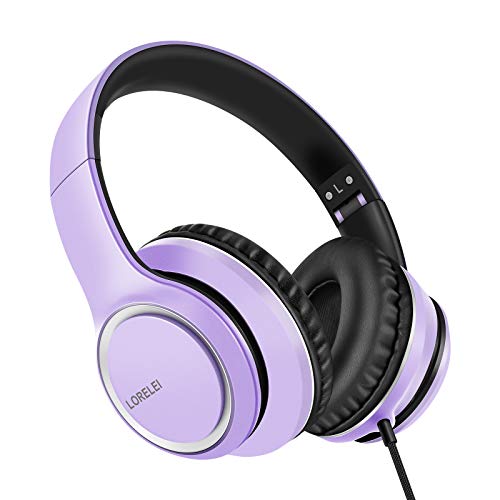
The best lightweight over-ear headphones should be judged by more than a low number on the specification sheet. Weight affects portability and potential comfort, but earcup padding, headband construction, adjustability, and the intended connection type also shape the decision. The products above range from 0.38 pounds to 0.573 pounds among models with supplied weight data, while the LORELEI X8 and several other models document lightweight designs without offering every measurement.
Start with the listening environment
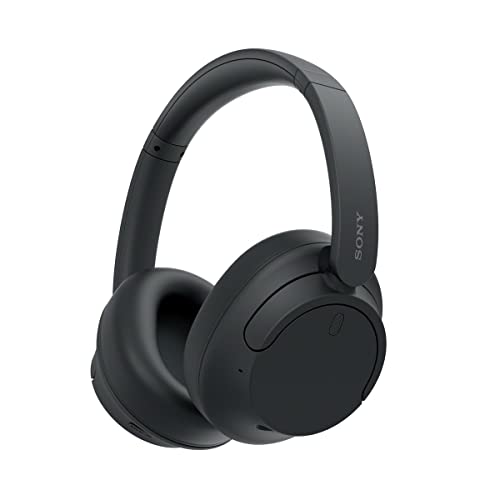
Noise control is the main dividing line between these headphones. Sony WH-CH720N, Beats Studio Pro, Bose QuietComfort Headphones, and JLab JBuds Lux ANC document active noise cancellation or hybrid ANC. Sony adds Adjustable Ambient Sound and Adaptive Sound control. Beats provides ANC and Transparency mode, Bose provides Quiet and Aware modes, and JLab provides hybrid ANC and Be Aware mode.
These modes are useful when the listener needs to switch between isolation and environmental awareness, but the listings do not establish real-world cancellation performance. For a quieter feature set without ANC, the JBL Tune 720BT, Uliptz, BERIBES, KVIDIO, OneOdio A70, and LORELEI X8 rely on their over-ear construction or listed passive design elements rather than documented active processing.
Compare stated weight with comfort features
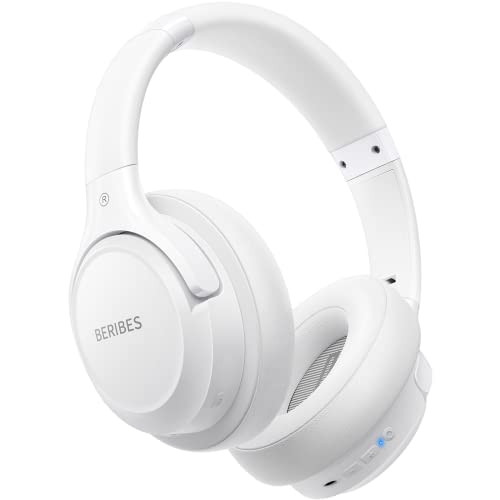
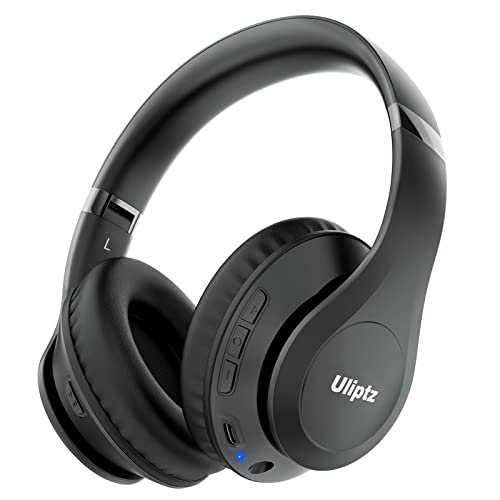
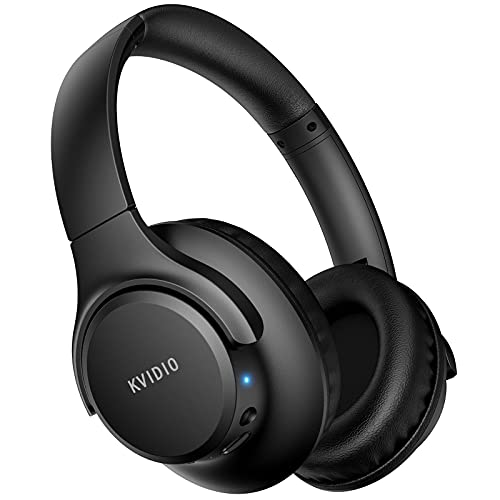
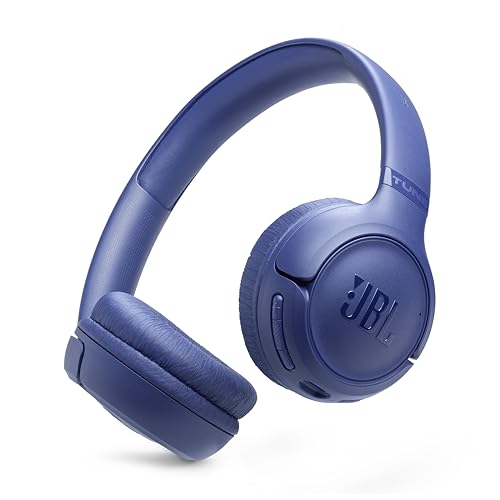
The BERIBES model has the lowest listed weight at 0.38 pounds, followed by Uliptz at about 0.397 pounds, KVIDIO at 0.44 pounds, LORELEI at about 0.463 pounds, and JBL at about 0.485 pounds. Sony gives the clearest metric specification at 192g. These figures are useful for comparison, but they do not prove how every head shape will experience the fit.
Comfort details can help explain the design. JLab lists cloud-foam earcups and headband cushioning. Bose specifies plush over-ear cushions and a padded band. Sony describes an all-day comfortable lightweight design. Uliptz documents memory-foam earcups, while BERIBES, KVIDIO, OneOdio, and LORELEI describe padded or memory-style materials. Adjustable headbands appear across several models and can matter as much as small differences in listed weight.
Decide whether you need wireless, wired, or both
Wireless flexibility is broad across the selected group. Sony, Beats, Bose, JLab, JBL, Uliptz, BERIBES, KVIDIO, and OneOdio all document Bluetooth operation. The LORELEI X8 is a wired-only selection with a 3.5mm connection, making it suitable for devices that retain a compatible headphone jack.
For a backup connection, Beats includes a 3.5mm cable and USB-C lossless audio support. Bose includes an audio cable for use without Bluetooth or when its battery is depleted. Uliptz, BERIBES, KVIDIO, and OneOdio also document wired operation. OneOdio is especially connection-oriented because its supplied accessories include both 3.5mm-to-3.5mm and 3.5mm-to-6.35mm cables. Check the source device before choosing a wired model, since some newer phones and tablets may need an adapter.
Match battery claims to your routine
Battery claims vary substantially. JBL lists up to 76 hours, OneOdio up to 72 hours, JLab more than 70 hours wirelessly, and BERIBES, Uliptz, and KVIDIO up to 65 hours. Sony lists up to 35 hours, Beats up to 40 hours, and Bose up to 24 hours. These are supplied maximum claims and may depend on listening mode or other conditions.
Quick-charge details are also different. Sony states that a three-minute charge can provide up to one hour of playback. JBL lists three additional hours from a five-minute charge, while Uliptz lists four hours from ten minutes. Bose states up to 2.5 additional hours from a 15-minute charge. JLab and OneOdio provide long standard-mode figures, but the supplied listings do not give the same quick-charge detail for every model.
Examine sound hardware and adjustment
Driver size is one useful specification, though it does not independently establish sound quality. Sony cites balanced tuning and DSEE with its Integrated Processor V1. Beats cites a custom acoustic platform and USB-C lossless profiles. Bose provides high-fidelity audio and adjustable EQ. JLab uses 40mm drivers and supports app EQ, while JBL offers Pure Bass sound and app-based EQ.
Uliptz, BERIBES, and KVIDIO list 40mm drivers or dual 40mm drivers with multiple EQ or music modes. OneOdio lists 40mm neodymium drivers and a 90-degree swivel design for single-side monitoring. LORELEI lists a 40mm driver and full-range audio. These details help identify intended flexibility, but they should not be treated as hands-on sound measurements.
Consider calls and device switching
Multipoint or dual-device connection is documented for Sony, Bose, JLab, Uliptz, BERIBES, and KVIDIO. That feature can be useful for moving between a phone and computer, although the supplied listings do not describe every switching condition. Beats emphasizes one-touch Apple and Android pairing, while JBL provides Voice Aware for hearing your voice during calls.
Microphones are listed for Sony, Beats, Bose, Uliptz, KVIDIO, OneOdio, and LORELEI. The claims differ: Sony specifies beamforming and Precise Voice Pickup, Beats cites voice-targeting microphones, and LORELEI uses an inline microphone. Treat these as documented features rather than proof of call quality.
Final Recommendation
Sony WH-CH720N ranks first overall in this specification-based comparison under the published weighted criteria.
Sony WH-CH720N is the highest-scoring returned product and the first overall specification-based choice among these best lightweight over-ear headphones. Its 192g listed weight, ANC, ambient sound controls, multipoint connection, call microphones, and 35-hour battery create the most balanced specification profile in this comparison.
Choose JLab JBuds Lux ANC if long battery claims, hybrid ANC, app adjustment, and cloud-foam cushioning are central to your routine. Beats Studio Pro is the more connection-flexible pick when USB-C lossless audio, a 3.5mm cable, spatial audio, and Apple-and-Android compatibility matter. Bose QuietComfort Headphones emphasize plush cushioning, adjustable EQ, and Quiet or Aware modes.
For the top lightweight over-ear headphones with especially low listed weights, compare BERIBES, Uliptz, and KVIDIO. JBL Tune 720BT is notable for its 76-hour claim, while OneOdio A70 suits listeners who need multiple cable formats. LORELEI X8 remains the clearest simple wired choice in the selected group.
Frequently Asked Questions
Which best lightweight over-ear headphones have the lowest listed weight?
BERIBES lists 0.38 pounds, Uliptz lists about 0.397 pounds, KVIDIO lists 0.44 pounds, and LORELEI X8 lists about 0.463 pounds. Sony lists 192g, which is approximately 0.423 pounds. These figures come from the supplied specifications and should not be treated as a guarantee of personal comfort.
Do any selected models include active noise cancellation?
Yes. Sony WH-CH720N, Beats Studio Pro, Bose QuietComfort Headphones, and JLab JBuds Lux ANC document active or hybrid active noise cancellation. Sony, Beats, Bose, and JLab also document an awareness or transparency-style listening mode. The listings describe the features but do not provide independent noise-reduction test results.
Which models can work with a cable?
Beats Studio Pro, Bose QuietComfort Headphones, Uliptz, BERIBES, KVIDIO, and OneOdio A70 document wired operation. LORELEI X8 is a wired-only model with a 3.5mm plug. OneOdio also lists a 6.35mm adapter cable, while Beats documents both USB-C lossless audio and a 3.5mm cable.
Which headphones list the longest battery life?
JBL Tune 720BT lists up to 76 hours. OneOdio A70 lists up to 72 hours, JLab JBuds Lux ANC lists more than 70 hours wirelessly, and BERIBES, Uliptz, and KVIDIO list up to 65 hours. Sony, Beats, and Bose list lower maximum figures but add noise-control or connection features.
Are lightweight over-ear headphones suitable for calls?
Several selected products list built-in or inline microphones. Sony specifies beamforming microphones and Precise Voice Pickup, Beats lists voice-targeting microphones, JBL includes Voice Aware, and LORELEI provides an inline microphone. Microphone presence is documented, but the supplied evidence does not establish call performance in particular environments.