Buying Guide
Choosing the best surround sound over-ear headphones starts with identifying how the spatial effect is produced and which devices you will use. The products in this comparison range from wired USB and 3.5mm gaming headsets to wireless models with Bluetooth and dedicated 2.4GHz transmitters. The right choice depends less on a single specification than on the combination of audio processing, connection type, communication features, fit, and platform support.
“Surround sound” is not used identically across these listings. Logitech G633 documents Dolby and DTS 7.1, while Redragon H858 and EKSA E1000 advertise 7.1 surround sound. Razer BlackShark V2 X describes software-enabled 7.1 surround sound, with a stated Windows 10 64-bit limitation. Other products use terms such as virtual 7.1 or spatial audio. These descriptions establish the advertised processing approach, but they do not by themselves prove how a headset will sound in a particular game, film, or music app.
For PC gaming, check whether required software is supported by your operating system. The Razer and Logitech listings both attach conditions to some surround features. USB models such as the EKSA E1000 may be straightforward with a compatible computer, but the E1000 listing specifically says it does not work with game controllers. A 3.5mm headset can be more broadly usable, though surround processing may depend on the connected platform.
Match the connection to your setup
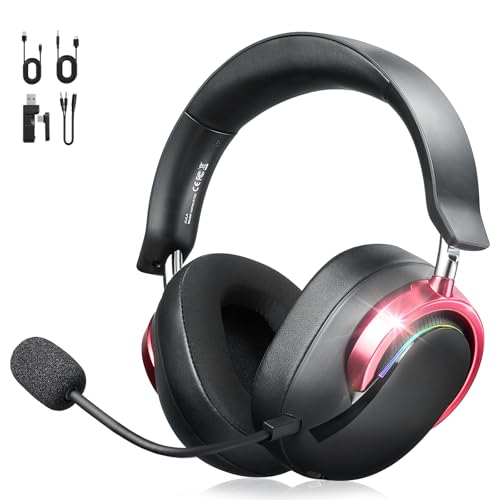
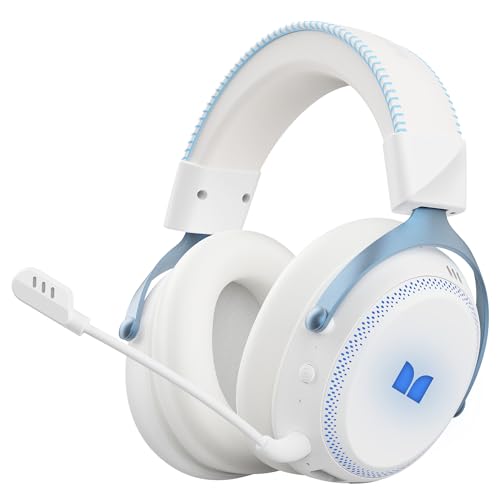
Wireless models offer a cleaner desk and more movement freedom. Monster Mission 350, Redragon H858, AULA G7, LEOBOG A700, and Ordtop GS400 Ultra all document dedicated 2.4GHz wireless or multiple wireless and wired modes. A 2.4GHz receiver is generally the relevant option in this group for low-latency gaming, while Bluetooth is useful for phones, tablets, and everyday listening.
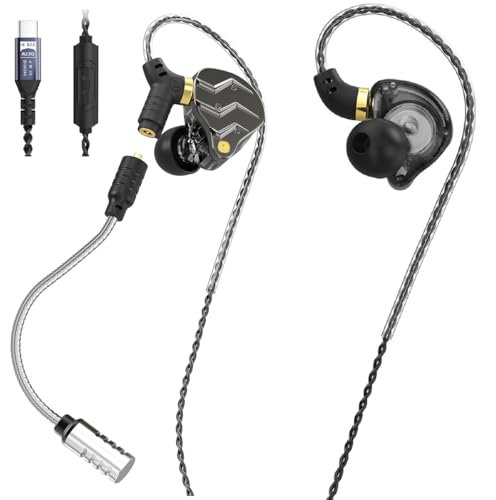
Wired models remain practical when you want a simple connection without charging. Razer BlackShark V2 X, EKSA E1000, and Logitech G633 are especially different in this respect: the Razer uses 3.5mm, the EKSA uses USB, and the Logitech listing documents USB and analog use. Before buying, confirm the ports on your console, computer, controller, or mobile device. Some older Xbox controller setups may require an adapter, as noted in several listings.
Multipoint is useful outside gaming. Belkin SoundForm Surround can connect to two devices at once, allowing a laptop and phone to remain connected. It is a stronger fit for calls, podcasts, and general listening than for users specifically seeking documented 7.1 positional processing.
Consider microphone design
A gaming headset is often also a communication device. Redragon H858, Logitech G633, and AULA G7 use detachable or foldaway microphone designs, which can be useful when the headset is also used for ordinary listening. Monster Mission 350, Razer BlackShark V2 X, EKSA E1000, and the other gaming selections document noise-reducing or noise-canceling microphone features.
Microphone wording should be read carefully. The listings describe intended noise reduction and voice clarity, not independently measured call performance. If you rarely use voice chat, a foldaway or detachable design may be more convenient than a permanently positioned boom. For office and travel calls, Belkin SoundForm Surround and bmani H2 emphasize environmental noise cancellation and multi-microphone calling features rather than gaming-specific controls.
Evaluate comfort from documented features
Over-ear comfort depends on ear-pad material, headband adjustment, weight, and clamping fit. Razer BlackShark V2 X lists a 240g weight, while AULA G7 lists 260g and Ordtop describes a 276g design. Those figures can help compare the stated construction, but they do not predict fit for every head shape.
Memory foam appears in Redragon H858, Monster Mission 350, bmani H2, and several other selections. Logitech G633, Belkin SoundForm Surround, and Razer BlackShark V2 X also document padded or comfort-oriented ear-cup designs. Closed earcups can help create a more enclosed listening experience, as stated for Razer, Ordtop, and other gaming models, but may feel warmer during long sessions. Adjustable headbands and breathable materials are useful details to prioritize when gaming or listening for extended periods.
Compare battery claims carefully
Wireless battery figures are useful only when their conditions are understood. Monster Mission 350 lists up to 90 hours, bmani H2 lists up to 120 hours, and AULA G7 lists up to 60 hours. Ordtop gives a 35-to-40-hour range and explains that RGB lighting affects runtime. These are supplied listing claims rather than independent test results, so actual endurance can vary by connection, volume, lighting, and microphone use.
A wired model avoids battery management entirely. That may be preferable for a fixed PC setup or for users who do not want another device to recharge. Wireless models with a 3.5mm fallback, such as Monster, Redragon, AULA, LEOBOG, and Ordtop, provide an additional use mode if the battery is unavailable, provided the target device supports the connection.
Select for gaming or general listening
For competitive or platform-focused gaming, prioritize a documented surround format, low-latency connection, microphone controls, and compatibility with the exact console or computer. Monster Mission 350, Redragon H858, LEOBOG A700, and AULA G7 offer the broadest combination of wireless and wired options in this group. For a simpler PC setup, EKSA E1000 offers USB surround processing, while Razer BlackShark V2 X emphasizes a light wired design.
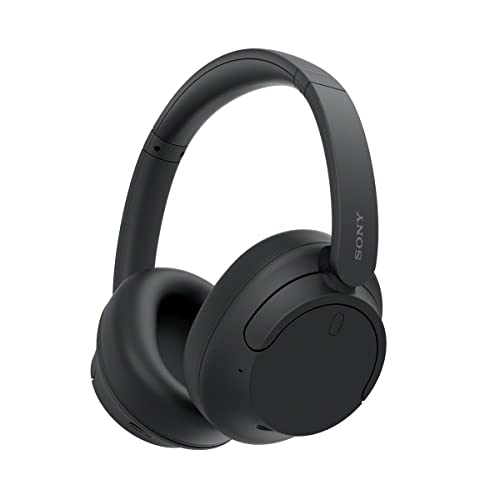
For travel, work, and casual listening, foldability, Bluetooth, multipoint, active noise cancellation, and battery life may matter more than 7.1 terminology. Belkin SoundForm Surround and bmani H2 document those everyday features. Logitech G633 occupies a more control-oriented middle ground with dual-device audio, programmable keys, and multiple surround formats.
Final recommendation
Redragon H858 3-Mode Wireless Gaming Headset ranks first overall in this specification-based comparison under the published weighted criteria.
Monster Mission 350 is the highest-scoring returned product and the first overall specification-based choice among these best surround sound over-ear headphones. Its virtual 7.1 audio, dual wireless modes, 3.5mm fallback, broad compatibility, microphone, memory foam cushions, and stated 90-hour battery claim create the most complete feature mix in the supplied evidence.
Redragon H858 is the most specification-aligned alternative for buyers who want three connection modes and 53mm drivers. LEOBOG A700 is a good fit when connection breadth is the priority, while AULA G7 balances tri-mode use, low stated latency, detachable voice chat, and a documented battery claim. Among the top surround sound over-ear headphones for wired use, Razer BlackShark V2 X is notable for its listed light weight, and EKSA E1000 suits compatible USB setups.
For non-gaming use, bmani H2 offers active noise cancellation, spatial audio, foldability, and a long stated playback claim. Belkin SoundForm Surround is the more practical multipoint option for switching between a phone and computer. Treat all feature claims as listing-based specifications, and verify software, ports, adapters, and platform restrictions before purchase.
Frequently Asked Questions
Are the best surround sound over-ear headphones always wireless?
No. EKSA E1000, Razer BlackShark V2 X, and Logitech G633 are wired choices with documented surround features. Wired headphones can be useful for fixed setups and avoid charging, while wireless models offer more movement and often support multiple devices.
What should PC users check before buying?
Check the required operating system, connection port, and any software requirement. Razer BlackShark V2 X states that its 7.1 feature is available on Windows 10 64-bit, and Logitech G633 notes software requirements for some features. USB compatibility can also differ from controller compatibility, as shown by EKSA E1000.
Which connection is best for gaming?
The listings commonly position dedicated 2.4GHz wireless as a low-latency gaming connection. Monster Mission 350, AULA G7, LEOBOG A700, Redragon H858, and Ordtop GS400 Ultra document 2.4GHz modes. Bluetooth is useful for general device compatibility, while 3.5mm or USB wired modes avoid wireless battery concerns.
Do larger drivers guarantee better surround sound?
No. Driver size is only one documented specification. Redragon lists 53mm drivers, while Logitech, Razer, and EKSA list 50mm drivers and other models list 40mm drivers. Surround processing, software, connection type, fit, and the source device also influence the intended listening experience, and the supplied evidence does not include hands-on testing.
Is active noise cancellation the same as surround sound?
No. Active noise cancellation is intended to reduce external noise, while surround or spatial processing describes how audio is presented around the listener. bmani H2 documents both features, but they serve different purposes. A headset can have one without the other.