Buying Guide
The best gas fuel filters are selected by matching the filter to the fuel system before comparing construction details. A filter that appears universal may still require a specific hose diameter, pressure capability, engine family, or fuel-system arrangement. Use the vehicle or equipment information supplied by the manufacturer whenever it is available.
Start with fuel-line size and fitment
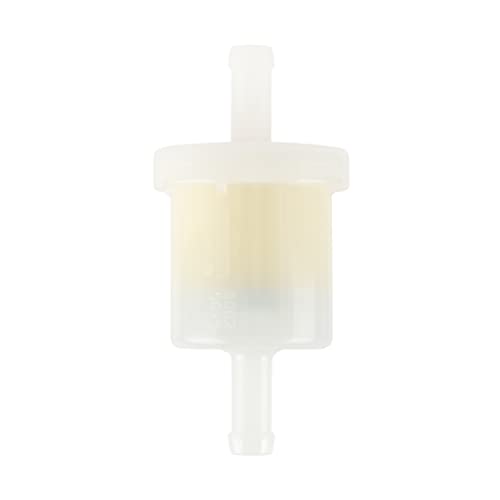
For universal inline filters, measure or confirm the inside diameter of the fuel hose. WIX 33002 specifies 5/16-inch inlet and outlet connections, while WIX 33033 lists 3/8-inch clamp-on connections. The Heymaillc filter is also built around a 5/16-inch line and includes 8mm clamps. These measurements are close enough to cause ordering mistakes, so do not assume that a similar-looking filter will seal correctly.
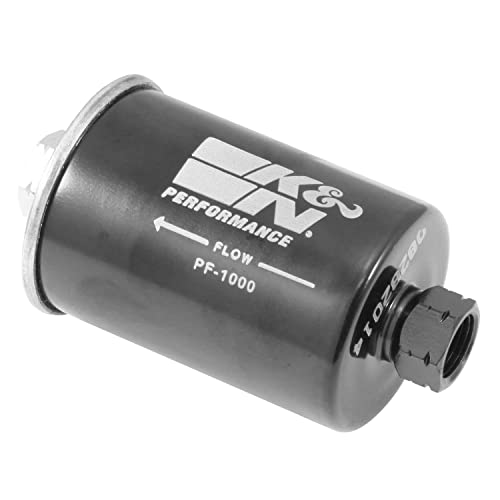
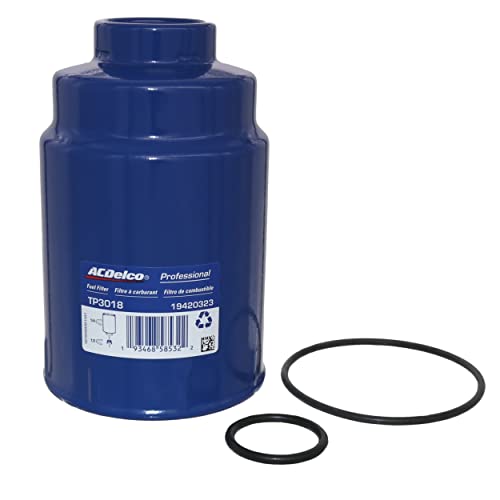
Vehicle-specific filters require a different approach. Bosch 77065WS lists selected Toyota applications, and the K&N PF-1000, PF-2300, and PF-2000 each identify particular vehicle or engine ranges. ECOGARD XF65277 supplies a long compatibility list but also includes a specific flex-fuel warning. These listings show why year, make, model, engine, and fuel-system type matter more than brand alone.
A published micron value gives a direct comparison point, although it does not by itself establish that one filter is right for every engine. Bosch provides detailed filtration information by listing multilayered media, 99% particle-filtering efficiency, and a 15-gram dirt-holding capacity.
Other products describe filtration by media or intended function. K&N specifies pleated media and fuel-system protection for its vehicle filters. ECOGARD describes multilayered material for trapping foreign particles. Several universal filters, including Heymaillc, describe built-in magnets for metal impurities. Treat these as documented design features rather than proof of a particular real-world outcome.
Choose the right housing design
A sealed metal canister is common among vehicle-specific filters. K&N lists heavy-duty steel canisters, and Bosch describes aluminum, plastic, or surface-treated steel housings designed for pressure, harsh environments, and corrosion resistance. These designs can be appropriate where the filter needs a protected installation, but their opaque housings do not allow a visual check of the element.
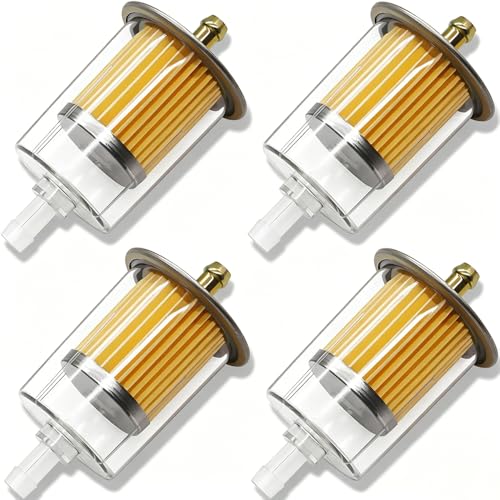
Transparent filters offer a different maintenance advantage. The Heymaillc filter uses a clear plastic shell, while Briggs & Stratton specifies a see-through filter. The T-H Marine model uses a transparent glass housing and is positioned for marine use. A visible housing can help you inspect fuel flow or filter condition, but it does not replace correct replacement intervals or application verification.
Consider the operating environment
The application should guide the shortlist. The T-H Marine filter is specifically described for inboard, outboard, and inboard/outboard boat motors and includes fittings for 1/4-, 5/16-, and 3/8-inch lines. Small-engine users can consider Briggs & Stratton for selected fuel-pump engines.
For mixed equipment, a universal inline design may be more practical. However, broad application language is not a substitute for matching the line size and installation requirements of the specific machine.
Check installation and maintenance details
Inline filters typically install between sections of fuel hose, but the connection method still matters. WIX 33033 uses clamp-on connections and lists built-in gaskets. A filter that includes connection hardware may reduce the need to source additional parts, but confirm that the supplied hardware suits the hose and equipment.
Observe the correct flow direction if the filter body marks one. The supplied listings do not provide a universal flow-direction instruction, so this guide does not assume one. Replace the filter according to the engine or equipment manufacturer’s schedule. WIX 33002 specifically refers to manufacturer-recommended service intervals, which is preferable to treating a universal time period as suitable for every application.
How this comparison was scored
This is a specification-based comparison using public listing data, not a hands-on test and not a summary of customer opinions. Fitment clarity and filtration evidence receive the greatest weight because an incompatible filter or undocumented filtration design is difficult to evaluate responsibly. Construction, inspection features, and application versatility complete the category-specific scoring model. Marketplace signals were not used in the published scores or product descriptions.
Final recommendation
T-H Marine Universal Boat Fuel Filter ranks first overall in this specification-based comparison under the published weighted criteria.
T-H Marine Universal Boat Fuel Filter is the first overall specification-based choice in this comparison under the published weighted criteria.
Among the top gas fuel filters for vehicle-specific use, the Bosch Automotive 77065WS provides detailed filtration, dirt-holding, housing, and direct-replacement information, provided the vehicle is one of the documented Toyota applications. The K&N PF-1000, PF-2300, and PF-2000 offer clearly described pleated media and steel canisters, but each requires exact fitment confirmation. ECOGARD XF65277 is another option when its extensive vehicle list matches the application. WIX 33002 is notable for its 20-micron specification and 5/16-inch connections.
For transparent inspection, the T-H Marine filter is the specialized pick for boat motors, while Heymaillc and Briggs & Stratton serve different inline and small-engine needs. The best gas fuel filters are therefore application-dependent: match the fuel line, engine, and installation environment first, then use filtration and housing details to break a tie.
Frequently Asked Questions
What should I check before buying one of the best gas fuel filters?
Confirm whether the system is for a vehicle, boat, lawn machine, generator, or another gasoline-powered engine. Then verify fuel-line diameter, inlet and outlet format, engine or vehicle fitment, and whether the filter is intended for a fuel-injected or carbureted system. A universal label does not eliminate the need to check these details.
Are transparent gas fuel filters better?
A transparent housing can make fuel flow or filter condition easier to inspect. The Heymaillc, Briggs & Stratton, and T-H Marine products document see-through designs. That visibility is useful for maintenance, but it does not establish superior filtration, pressure handling, or durability. Choose transparent construction when inspection is important and the filter otherwise matches the equipment.
Which filter is suitable for a boat?
The T-H Marine Universal Boat Fuel Filter is specifically positioned for inboard, outboard, and inboard/outboard motors. It includes fittings for 1/4-, 5/16-, and 3/8-inch fuel lines and uses a transparent glass housing. Confirm the boat engine’s requirements before installation.
Do micron numbers alone identify the right filter?
No. Micron information helps compare documented filtration specifications, but the filter must also fit the fuel line and meet the equipment’s application requirements. These figures should be considered alongside fitment and design information.
How often should a gasoline fuel filter be replaced?
Follow the engine, vehicle, or equipment manufacturer’s recommended service interval. The supplied listings do not establish one replacement schedule that applies to every product or application. A transparent filter may help with inspection, but visual appearance alone should not override the manufacturer’s maintenance guidance.