Buying Guide
The best gmo-free herbal tea is usually the one whose label gives you enough information to understand exactly what is in the package and how the product is meant to be prepared. The listings in this comparison differ substantially: some contain one botanical, while others combine several herbs or provide multiple flavors in one box. Start by deciding whether you want a focused daily infusion or a sampler that lets you explore several profiles.
Check how the non-GMO claim is presented
Non-GMO wording appears in different forms across the selected products. Traditional Medicinals, Buddha Teas, VAHDAM, and Pukka use non-GMO language alongside other product information. WOTIHA and Greenhilltea use non-GMO or no-GMO wording in their titles or descriptions.
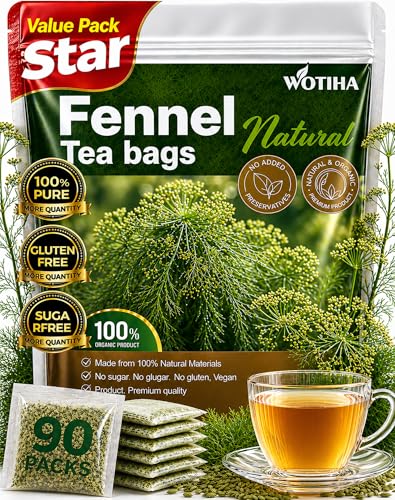
A non-GMO statement is more useful when it appears with an ingredient list, organic status, or other formulation details. For example, Buddha Teas identifies turmeric root, ginger root, and black pepper, while Buddha Teas Dandelion Root identifies a single ingredient. WOTIHA likewise specifies pure fennel seed and says there are no mixed herbs or fillers. These details help distinguish a straightforward formula from a general assortment claim.
Choose single-herb or blended tea
Single-herb products are easier to evaluate if you already know the flavor you want. WOTIHA focuses on fennel, Traditional Medicinals offers chamomile, hibiscus, and dandelion leaf and root, and Greenhilltea provides dried honeysuckle flowers. Buddha Teas Dandelion Root takes a root-only approach with a deeper, roasted description.
Blends and samplers offer more variety but make ingredient comparison more involved. Buddha Teas Turmeric Ginger includes three named ingredients. VAHDAM lists nine flavors, including spearmint, moringa, ginger hibiscus, and peppermint chamomile. Pukka offers nine organic herbal flavors in a larger 45-bag collection. These formats are useful when taste variety matters more than having one consistent infusion.
Match the flavor profile to your routine
Flavor descriptions are especially important for herbal tea because the word “herbal” covers a wide range of experiences. Fennel and honeysuckle are presented as sweet or floral. Chamomile is fragrant and floral with honey notes. Hibiscus is tart, tangy, and fruity, making it a logical candidate for drinkers who enjoy a sharper cup or iced preparation.
Rooibos provides a smooth, lightly sweet, earthy profile, while Buddha Teas Dandelion Root is described as bittersweet, nutty, and coffee-like. Turmeric ginger is warmer and spicier, with earthy depth and a peppery finish. If you prefer to avoid strong or bitter notes, a floral, fruity, or gently sweet option may be easier to approach than dandelion root or turmeric ginger.
Consider tea bags versus loose leaf
Tea bags are convenient and appear throughout most of the selected range. WOTIHA documents bleach-free, staple-free, and glue-free bags. VAHDAM uses double-chambered pyramid bags, and Pukka individually wraps its bags. These details may matter if you care about bag construction, portion control, or keeping individual servings separated.
Loose leaf and dried-flower formats offer more control over the amount used. A loose option requires an infuser, strainer, or another way to separate the botanicals after steeping, but it can be useful when you want to adjust intensity.
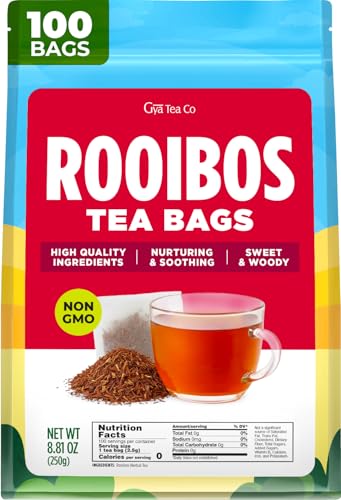
Brewing instructions vary in detail. Buddha Teas gives a 205°F water temperature and steep times of three to five minutes for turmeric ginger and three to six minutes for dandelion root. WOTIHA gives five-minute guidance and mentions both hot brewing and cold brewing. Traditional Medicinals Hibiscus supports hot or iced preparation, while Gya Tea Co describes hot, iced, latte, and blending uses for rooibos.
When a listing does not provide a temperature or steep time, follow the package directions rather than assuming that every herbal infusion should be prepared identically. Root-based products may have a different texture and flavor intensity from floral teas, while samplers can include different instructions by blend.
Look at certification and packaging details together
USDA Organic status is documented for several selected products, including Traditional Medicinals, Buddha Teas, VAHDAM, Pukka, and Greenhilltea’s organic positioning. Kosher status appears on several listings as well.
These labels describe different attributes, so they should not be treated as interchangeable. Organic refers to the listed production certification, non-GMO refers to the separate claim, and compostable or biodegradable refers to a packaging component. Read each product’s own label when a particular certification or material is important to you.
The selected products range from 16-bag single-flavor boxes to WOTIHA’s 90 bags, Gya Tea Co’s 100 bags, and Pukka’s 45-bag assortment. A larger single-flavor package makes sense when you already know your preferred botanical. A sampler is more suitable when you want several flavors without committing to one profile.
The key comparison is not simply bag count. Consider whether every serving is the same blend, whether the package identifies the ingredients clearly, and whether the tea is individually wrapped. VAHDAM and Pukka both provide multi-flavor formats, but their bag counts and presentation differ. Choose based on how much variety and packaging separation you actually need.
Final Recommendation
Buddha Teas Organic Dandelion Root Tea ranks first overall in this specification-based comparison under the published weighted criteria.
The final choice among the best gmo-free herbal tea depends on the documented features that match your intended use.
WOTIHA Organic Premium Fennel Tea is the first overall specification-based choice because it combines a clearly identified single ingredient, non-GMO wording, caffeine-free positioning, 90 tea bags, and unusually detailed bag and brewing information. It is a focused option for shoppers who enjoy fennel and want hot or cold preparation flexibility.
Buddha Teas Organic Turmeric Ginger Tea is the top gmo-free herbal tea pick for a warming blend, with a named three-ingredient formula and precise brewing guidance. Traditional Medicinals Organic Chamomile Tea is better suited to floral preferences, while Traditional Medicinals Organic Hibiscus Tea brings a tart, fruity profile that can be served iced. For roasted depth, Buddha Teas Organic Dandelion Root Tea provides the clearest root-focused flavor description.
Choose Gya Tea Co Rooibos Tea Bags for a smooth redbush format, VAHDAM or Pukka for multi-flavor exploration, and Greenhilltea Premium Honeysuckle Buds if loose flowers are your preferred format. In every case, verify the package label for the current claim, ingredients, and preparation directions before brewing.
Frequently Asked Questions
What makes the best gmo-free herbal tea different from ordinary herbal tea?
The defining distinction in this comparison is documented non-GMO wording supported by product information such as ingredients, certifications, or format details. A strong listing also identifies whether the tea is a single botanical or a blend and explains its caffeine-free status when applicable.
Are all herbal teas naturally caffeine-free?
Many herbal infusions are caffeine-free because they are made from flowers, roots, fruits, or other botanicals rather than traditional tea leaves. The selected listings explicitly describe their products as caffeine-free, but you should still check the specific package label, particularly for assorted blends.
Which selected tea is best for iced preparation?
Traditional Medicinals Organic Hibiscus Tea is described as suitable for hot or iced use and has a tart, tangy, fruity profile. WOTIHA Fennel Tea and Gya Tea Co Rooibos Tea Bags also document cold or iced preparation options.
Should I choose tea bags or loose herbal tea?
Tea bags provide portioned servings and require less equipment. Loose options such as Greenhilltea Premium Honeysuckle Buds let you adjust the amount used but require an infuser or strainer. The better format depends on whether convenience or brewing control is more important.
Which tea offers the most flavor variety?
VAHDAM lists nine flavors in an 18-bag assortment, and Pukka provides nine organic herbal flavors in a 45-bag set. These are the clearest choices for exploring different flavor families instead of buying a single-herb tea.