Buying Guide
The best organic rooibos tea is usually the one whose format and documentation fit the way you brew. The products here are all presented as organic rooibos, but their evidence differs substantially. Some listings focus on USDA Organic certification and single-ingredient purity; others add detail about farm region, leaf cut, bag construction, or preparation. Use those differences to narrow the field rather than treating every red rooibos product as interchangeable.
Choose loose leaf or tea bags
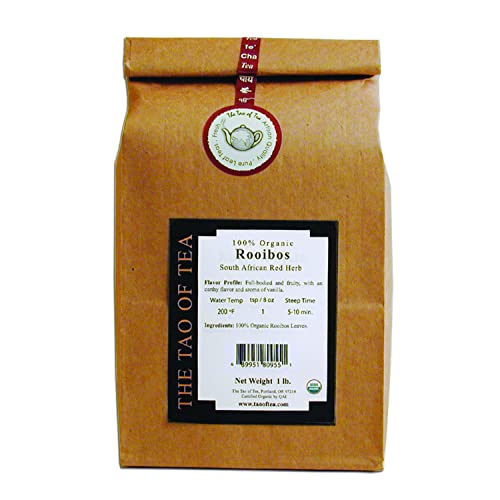
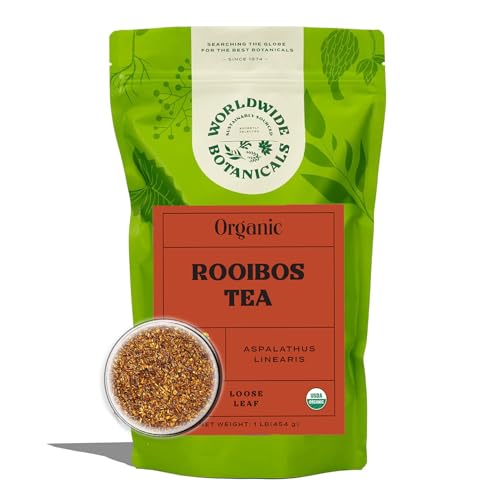
Loose leaf gives you control over the amount of tea and works well for larger servings or repeated brewing. Golden Moon Tea, The Tao of Tea, and Anthony’s use one-pound loose-leaf formats. Golden Moon is the most specific about whole-leaf processing, while The Tao of Tea emphasizes a 100 percent leaf formulation and Anthony’s adds gluten-free and non-irradiated specifications. Loose leaf does require an infuser, strainer, or another way to separate the leaves from the finished cup.
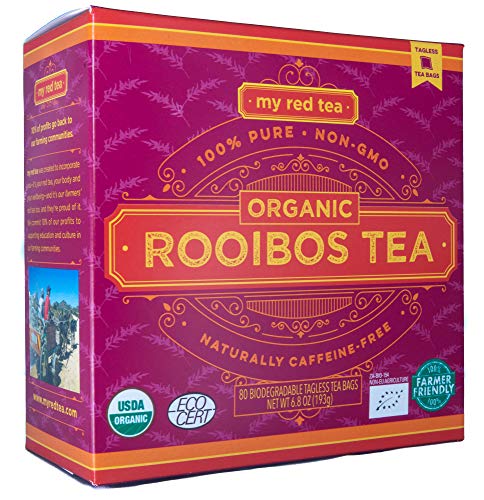
Tea bags are simpler for individual servings and travel. Numi, Cederberg Tea Company, My Red Tea, FGO, Choice Organics, The Republic of Tea, and Tick Tock use bag formats. Their counts range from 16 to 100, so consider how often you brew and whether you prefer a compact carton or a larger supply. Numi and Choice Organics provide especially detailed bag or packaging information. FGO documents Abacá hemp fiber paper and excludes staples and strings, while My Red Tea describes tagless compostable bags.
Check what organic means in the listing
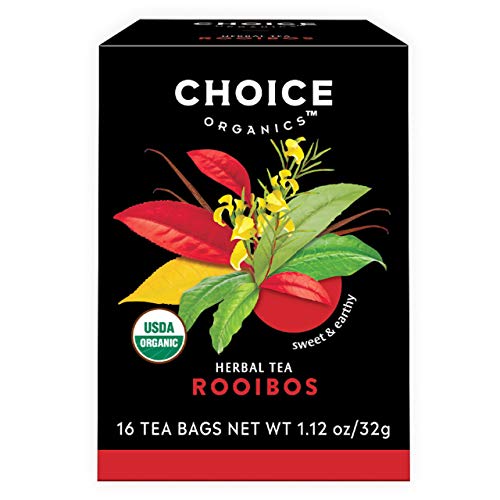
A detailed listing should identify the certification rather than simply using a general natural-food description. USDA Organic language is supplied by all ten selected products, including Golden Moon Tea, Numi, Cederberg Tea Company, My Red Tea, FGO, Choice Organics, The Republic of Tea, The Tao of Tea, Anthony’s, and Tick Tock. Choice Organics adds Fair Trade, Non-GMO, Kosher, Vegan, and Gluten Free claims. Anthony’s separately describes batch testing and verified gluten-free status.
Certification alone does not tell you whether the tea is a pure rooibos product or a blend. If ingredient simplicity matters, look for explicit language such as Numi’s 100 percent real rooibos, My Red Tea’s 100 percent pure leaves, The Tao of Tea’s 100 percent organic leaves, or Anthony’s no-other-additives statement. The Republic of Tea is different by design: it combines organic leaves with organic ground rooibos, so it may appeal to someone specifically seeking that documented format.
Compare origin and sourcing detail
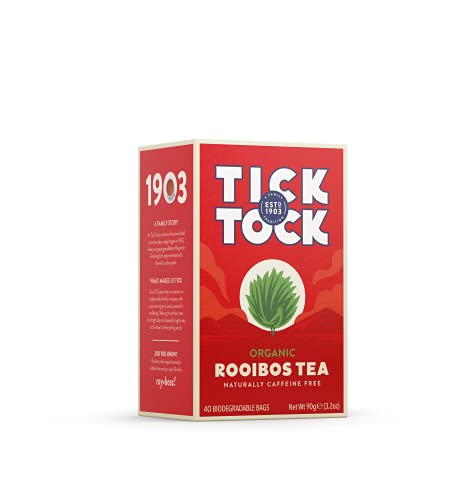
Rooibos is associated in these listings with South Africa, especially the Cederberg or Cedarberg region. Numi identifies a small-scale organic farm in the Cederberg region. My Red Tea names high-elevation Cederberg farms, while Cederberg Tea Company identifies a farm in the Western Cape. Tick Tock also names the Cederberg Mountains. These details can help distinguish a product with documented regional sourcing from one whose listing only identifies the tea type.
Golden Moon Tea supplies both a Cederberg location and a whole-leaf description. The selected products provide enough origin variety for comparison without relying on unselected examples.
Use flavor descriptions carefully
Flavor language is useful for setting expectations, but it is not a substitute for a tasting test. The supplied listings describe rooibos in recurring terms such as sweet, earthy, vanilla-like, honey-like, fruity, woody, and full-bodied. Golden Moon Tea describes smooth woody flavor with caramel, The Tao of Tea describes fruity and vanilla notes, and Tick Tock emphasizes a smooth, rich, naturally sweet cup. Choice Organics presents sweet and earthy notes with creamy vanilla, while Cederberg Tea Company describes a deep amber, full-bodied brew.
For a fuller style, look first at products whose listings use full-bodied or rich language, such as The Tao of Tea, Cederberg Tea Company, The Republic of Tea, and Tick Tock. For a simple plain cup, Numi and My Red Tea emphasize pure rooibos without added flavorings. These are listing-based distinctions, not hands-on conclusions.
Consider bag materials and packaging
Packaging can matter if you want to limit extra components. FGO says its bags contain Abacá hemp fiber paper and have no dyes, adhesive, glue, chlorine bleach, staples, or strings. Numi identifies BPI-certified biodegradable bags and independent verification concerning added microplastics. Choice Organics describes individually packaged natural-fiber compostable bags in recycled-paperboard cartons. My Red Tea describes tagless compostable bags.
These features should be read as product specifications, not conclusions about an entire brewing routine. The listings do not provide a common testing method across brands, so compare only the details each manufacturer supplies.
Match package size to your routine
Small cartons such as Choice Organics at 16 bags and Numi at 18 bags can suit occasional drinkers or anyone comparing styles. Tick Tock’s 40 bags and The Republic of Tea’s 36 bags offer a middle format. My Red Tea, FGO, and Cederberg Tea Company move into larger 80- or 100-bag supplies. Loose-leaf selections from Golden Moon Tea, The Tao of Tea, and Anthony’s are sold by the pound, while the larger format from Anthony’s is also described with bulk-tea positioning.
Package size does not determine flavor quality. It mainly affects storage, brewing frequency, and whether you want to replenish often. Keep the tea sealed as directed on its packaging, especially when choosing a loose-leaf bag or a larger tea-bag supply.
Final Recommendation
Numi Organic Rooibos Tea ranks first overall in this specification-based comparison under the published weighted criteria.
Numi Organic Rooibos is the first overall specification-based choice for the best organic rooibos tea because its listing combines single-ingredient purity, small-scale Cederberg sourcing, USDA Organic certification, biodegradable bags, and documented verification concerning added microplastics. Golden Moon Organic Rooibos is a fitting alternative for loose-leaf brewers who want whole-leaf processing, single-region sourcing, no added flavoring, and clear flavor detail. Numi is the top organic rooibos tea choice for tea-bag users who prioritize ingredient purity and documented bag construction. Cederberg Tea Company is another option when fill weight, fine-cut needles, compostable filter paper, and farm-level processing detail matter most.
For a compact carton, Choice Organics offers broad certification information and compostable bags. Tick Tock provides a classic Cederberg profile with straightforward steeping guidance. The Republic of Tea is the most distinctive option for shoppers interested in a leaf-and-ground formulation. Loose-leaf drinkers can also compare The Tao of Tea for its fruity vanilla description or Anthony’s for its additional dietary and testing specifications.
Frequently Asked Questions
What makes the best organic rooibos tea different from ordinary rooibos?
Look for explicit organic certification, a clear ingredient statement, and useful origin information. USDA Organic language is supplied by all ten selected products, while products such as Numi, My Red Tea, The Tao of Tea, and Anthony’s provide especially direct purity descriptions. A product can also stand out through documented bag materials, leaf processing, or farm-region sourcing.
Is loose leaf or bagged rooibos easier to brew?
Tea bags are generally the more contained format because the leaves are already portioned and enclosed. Loose leaf from Golden Moon Tea, The Tao of Tea, and Anthony’s requires an infuser or strainer but allows you to control the amount used. Neither format is inherently better; the practical choice depends on your brewing setup and preferred serving size.
Does organic rooibos contain caffeine?
Each selected listing describes its rooibos as naturally caffeine-free or caffeine-free. That includes both loose-leaf products and tea bags. The descriptions identify rooibos as an herbal tea or tisane rather than a caffeinated black or green tea. If you need to avoid caffeine for a specific medical reason, confirm the package labeling directly.
Several products name South Africa’s Cederberg area. Golden Moon Tea, Numi, My Red Tea, Cederberg Tea Company, and Tick Tock provide particularly specific regional or farm-related details in their listings. The exact sourcing practices and harvest conditions are not standardized across the supplied evidence, so compare the wording rather than assuming identical supply chains.
How should I compare rooibos flavor descriptions?
Treat them as directional notes. Words such as earthy, sweet, vanilla, fruity, woody, rich, and full-bodied recur across the listings. The Tao of Tea and Golden Moon Tea give detailed loose-leaf descriptions, while Tick Tock and Cederberg Tea Company provide clear bagged-tea profiles. Preparation time, water volume, and personal preference can affect the final cup, and the supplied data does not include hands-on tasting results.