Buying Guide
Choosing the best usda organic herbal tea starts with separating certification evidence from broad wellness language. The supplied listings vary widely: some are single flowers or leaves, some are cut roots, and others are preportioned blends. A useful comparison therefore looks at what is actually identified, how it is packaged, and how much preparation information is provided.
Confirm the organic claim
Look for explicit USDA organic wording in the title or features. The selected products document that claim in different ways. Traditional Medicinals Organic Chamomile Tea and Traditional Medicinals Organic Dandelion Tea both state USDA Certified Organic in their supplied features. PICKNATURE Organic Soursop Loose Leaf Tea adds certification by CERES Laboratory, while INCAS Organic Butterfly Pea Flower Tea includes USDA organic and Non-GMO Project label verification. These details are stronger evidence than a general reference to natural ingredients.
Some listings describe organic sourcing without giving an equally detailed certification explanation. Harney & Sons Organic Peppermint Tea Bags, for example, identifies organic peppermint and Oregon-grown sourcing, but the supplied evidence does not repeat the full USDA certification wording. That distinction affects how the products are scored, not whether the product belongs in the comparison.
Choose single-ingredient or blended tea
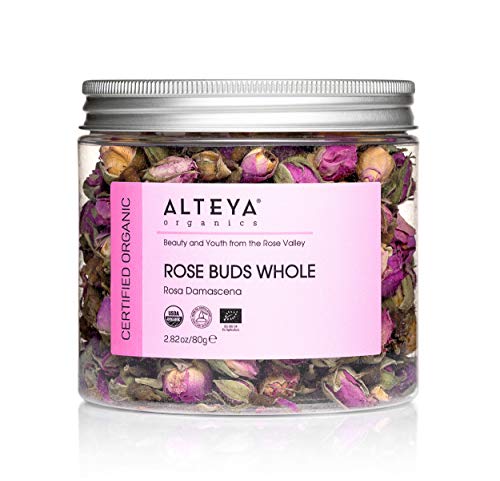
Single-ingredient teas make the flavor and botanical identity easy to understand. The hibiscus product contains only USDA organic cut-and-sifted hibiscus, while the Alteya product centers on Rosa damascena rose buds. PICKNATURE identifies whole dried soursop leaves, and Biokoma identifies Cistus incanus leaves. This kind of clarity is useful when you want one recognizable herb or flower and prefer to control later blending.
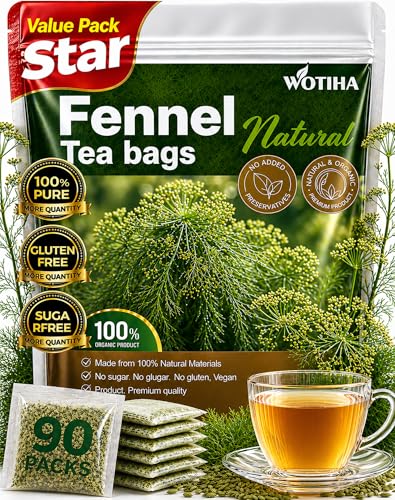
Blends offer a different experience. Elephant Park combines chamomile, peppermint, fennel, and tulsi in mesh sachets. Traditional Medicinals Dandelion Tea names both leaf and root, making it a two-part botanical formula rather than a pure single-part infusion. A blend may be more convenient when you want a ready-made flavor direction, while a single herb gives you more control over combinations.
Decide between tea bags and loose leaf
Tea bags are the simplest format for individual cups. The chamomile and dandelion selections each contain 16 bags, and the Harney & Sons peppermint option contains 50 individually wrapped bags. Elephant Park also supplies 50 packets, with stapleless mesh sachets that the listing says can be used for single servings or larger batches.
Loose products require a spoon, infuser, tea filter, or strainer, but they can offer more control over quantity. The hibiscus listing specifically describes cut-and-sifted pieces that measure easily. Biokoma provides one-to-two-teaspoon instructions for Cistus incanus, while PICKNATURE gives a one-to-two-leaf method for soursop. Rose buds, linden flowers and leaves, and butterfly pea flowers are also suited to loose-herb brewing, though the supplied evidence gives less precise measurements for some of them.
Match the package to your routine
Package format matters when a tea is used occasionally or stored between sessions. Harney & Sons individually wraps each peppermint bag. Elephant Park uses individually portioned mesh sachets, and both the PICKNATURE and Biokoma products document resealable pouches. The hibiscus product also comes in a resealable bag, which fits its bulk format and batch-brewing orientation.
The selected listings do not all provide the same packaging detail. Traditional Medicinals documents compostable bags for its chamomile and dandelion products, while the rose-bud listing emphasizes careful drying and hand selection rather than a reseal feature. Compare the specific package evidence instead of assuming that every organic tea uses the same storage design.
Consider caffeine status and flavor direction
Every selected product is presented as herbal and caffeine-free or naturally caffeine-free in the supplied evidence, but flavors differ considerably. Chamomile is described as fragrant and floral with honey notes. Peppermint is fresh and invigorating. Hibiscus is bright, tart, and fruity, while butterfly pea flower is valued partly for its naturally blue infusion. Linden is mild and floral, and Cistus is described as mild and resinous or herbaceous.
The multi-herb selections create more layered profiles. Elephant Park combines mint, fennel, chamomile, and tulsi, whereas the dandelion tea uses leaf and root with a mild, sweet description. If you want a neutral base for lemon or honey, a single flower may be easier to adjust. If you want a defined combination without measuring several herbs, a packet blend is more direct.
Look for documented brewing flexibility
The best usda organic herbal tea for your kitchen should fit how you actually prepare tea. Hibiscus supports hot tea, iced tea, cold brew, agua de Jamaica, sorrel, mocktails, lemonade infusions, and kombucha recipes according to its listing. Butterfly pea flower can also move from a cup into food and drink recipes, including color-changing preparations with lemon.
For more conventional use, Elephant Park supports hot or cold brewing and single cups or larger batches. PICKNATURE supports hot or iced tea, while the linden listing also identifies both serving temperatures. Biokoma gives the most specific steeping guidance among the loose products selected here: cover one to two teaspoons with freshly boiled water for eight to ten minutes. These details help distinguish documented flexibility from assumptions.
Read wellness wording carefully
Several listings use traditional or wellness-oriented language, including references to relaxation, digestion, respiratory comfort, detoxification, or antioxidants. This comparison does not treat those statements as proven outcomes. Instead, the scoring emphasizes documented ingredients, certification, format, packaging, and preparation information. That keeps the ranking tied to listing specifications rather than unsupported performance expectations.
Final Recommendation
Organic Hibiscus Tea, Cut and Sifted ranks first overall in this specification-based comparison under the published weighted criteria.
Traditional Medicinals Organic Chamomile Tea is the highest-scoring returned product and the first overall specification-based choice. It combines explicit USDA organic documentation, a familiar single-herb identity, caffeine-free tea bags, compostable construction, and a clearly described floral profile. For a top usda organic herbal tea in loose form, the Organic Hibiscus Tea selection is the most flexible documented option, especially for iced tea and batch preparation. Choose INCAS Butterfly Pea Flower Tea when color and culinary use matter most, or Elephant Park Organic Sleep Blend Tea when portioned multi-herb sachets fit your routine better. The right best usda organic herbal tea depends on whether you prioritize simplicity, portioning, storage, or recipe flexibility.
Frequently Asked Questions
What makes a best usda organic herbal tea choice different from a regular herbal tea?
The key distinction in this comparison is explicit USDA organic documentation in the supplied listing evidence. Ingredient clarity and preparation format also matter, because an organic claim alone does not tell you whether the product is a single herb, a blend, a tea bag, or loose leaf.
Are all of these selections caffeine-free?
The supplied evidence describes the selected products as caffeine-free or naturally caffeine-free. That includes the chamomile, peppermint, hibiscus, butterfly pea flower, rose, soursop, linden, Cistus, Elephant Park blend, and dandelion products. Always check the current package directions if formulation details change.
Which selected product is easiest for iced tea?
The Organic Hibiscus Tea listing explicitly supports hot tea, iced tea, and cold brew, and it comes in a bulk resealable bag. Elephant Park and PICKNATURE also document hot-or-cold flexibility, but hibiscus has the broadest stated batch and beverage applications.
Should I choose loose leaf or tea bags?
Choose tea bags when portioning and cleanup are priorities. Choose loose leaf when you want to measure your own serving size or use the herb in recipes and blends. The selected loose products include hibiscus, butterfly pea flower, rose buds, soursop, linden, and Cistus, while the other selections use preportioned bags or sachets.
Which top usda organic herbal tea has the clearest brewing instructions?
Biokoma Organic Cistus Rock Rose Tea gives one of the clearest methods: use one to two teaspoons, add freshly boiled water, cover, and steep for about eight to ten minutes before straining. PICKNATURE also provides a concise one-to-two-leaf, five-minute method.