Buying Guide
The best graphite badminton rackets are not interchangeable: weight, balance, shaft behavior, frame shape, and tension support can change how a racket fits your game. This comparison uses only public listing details. It does not claim laboratory accuracy, hands-on performance, or customer-verified results.
Start with construction
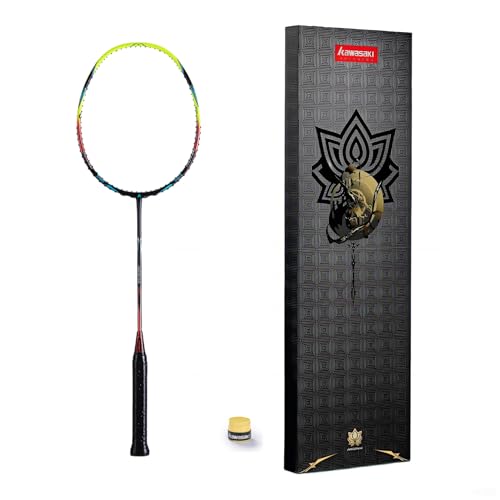
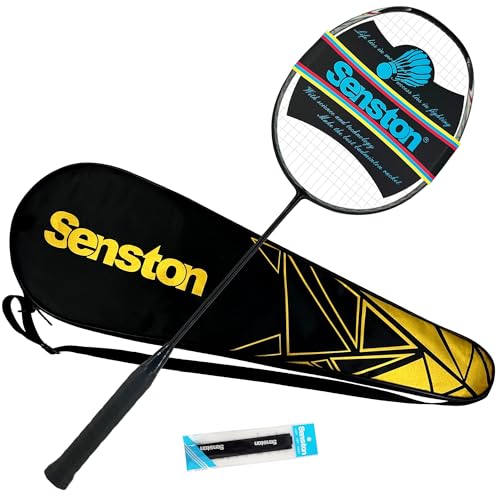
Look first at what the listing actually identifies. Full carbon fiber, carbon graphite, high-modulus graphite, and carbon-fiber composite are useful signals that a racket belongs in this category, but they do not describe identical layups. The Kawasaki NEZHA 35 specifies 30T and 46T high-modulus graphite fibers. The YODIMAN M46X names an M46X carbon fiber composite graphite shaft, while the YONEX Muscle Power 29 lists both a carbon graphite frame and high-modulus graphite shaft. The Senston N80 and INFINITE models identify carbon-fiber construction for the frame and shaft or overall racket.
When a listing supplies less detail, treat that as an evidence limitation rather than filling in the gap. The Arcsaber 11 Play clearly identifies a graphite frame, but its supplied data does not state a balance point or tension ceiling. The Astrox Attack 9 documents useful design features but does not provide a string-tension range in the supplied evidence.
Match weight to handling
Weight is one of the easiest specifications to compare, although listing conventions can differ between strung and unstrung measurements. The INFINITE is listed at 73 grams, the Senston N80 at approximately 76 grams unstrung, and the Kawasaki NEZHA 35 at 77 grams. These designs may appeal to players who prioritize quick preparation and low listed weight.
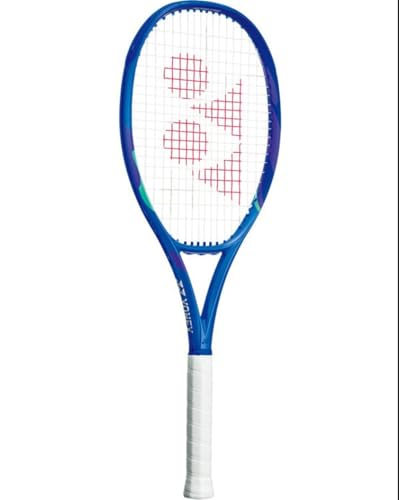
The YONEX NanoFlare 1000 Play uses a 4U format and a head-light balance, making it the clearest selection for fast handling. By contrast, the YODIMAN offers 4U and 5U choices but uses a head-heavy balance, which may better suit players who want more weight positioned toward attacking shots. The Muscle Power 29 is listed at 85 grams with even balance, a more neutral starting point for players who do not want an explicitly head-light or head-heavy design.
Do not assume that lighter always means better. A very light racket can be attractive for defense and quick exchanges, while a heavier or head-heavier design may be preferred by someone seeking a more deliberate attacking setup. The right choice depends on swing comfort and the type of play you intend to support.
Consider balance and frame shape
Head-light rackets generally prioritize maneuverability, while head-heavy designs place more of the listed mass toward attacking shots. Even balance sits between those approaches. In this group, the NanoFlare 1000 Play is head-light, the YODIMAN M46X is head-heavy, and the Muscle Power 29 is even balance.
Frame geometry adds another layer. Isometric heads appear on the Astrox Lite 27i, Muscle Power 29, Senston N80, INFINITE, and Astrox Attack 9. The Senston listing describes the shape as creating a wider effective hitting area, while YONEX listings describe Isometric geometry in relation to the string bed and hitting area. The Kawasaki NEZHA 35 uses a combined broken-wind and box-shaped frame description, and the TENGAOSI package lists aerodynamic frame shaping.
Check string tension carefully
String tension is a practical filter for players who already know the feel they want. The Kawasaki NEZHA 35 and YODIMAN both state 35-pound maximums. The YONEX Astrox Lite 27i and Muscle Power 29 each state a 30-pound maximum. The INFINITE lists a 24-to-30-pound range, the NanoFlare 1000 Play recommends 19 to the current price, and the TENGAOSI rackets are pre-strung at the current price.
A higher stated ceiling does not automatically mean a better racket. It simply gives more documented setup headroom, and actual stringing should follow the manufacturer or listing guidance. The Astrox Attack 9 and Arcsaber 11 Play do not include a tension specification in the supplied data, so buyers should verify that detail before ordering if it is important.
Decide whether you need one racket or a set
Single-racket listings are easier to match to one playing preference. The YODIMAN includes an overgrip, while the YONEX Muscle Power 29, Astrox Lite 27i, and NanoFlare 1000 Play list covers or factory stringing. The INFINITE includes a bag and several accessories, which may be useful for a recreational or intermediate player building a basic kit.
The TENGAOSI option is different because it is a two-racket package with offensive and all-round designs. That can be useful for a pair of players or for someone who wants two documented approaches. It can also be more equipment than a solo player needs. Read the unit count and included components before comparing packages with single rackets.
Use player labels as a starting point
Several listings identify intended users. The Astrox Lite 27i and Muscle Power 29 are described for intermediate players. The NanoFlare 1000 Play is presented as an introductory model, while the Senston N80 and INFINITE are aimed at recreational or intermediate use. The YODIMAN and Kawasaki listings use professional or advanced positioning, supported by their higher stated tension specifications and detailed construction claims.
These labels should not replace the technical comparison. A beginner who prefers a head-heavy feel may choose differently from an experienced defensive player. Prioritize the specifications that matter most to your swing: balance, weight, shaft flex, tension, and whether the racket arrives strung.
Final recommendation
Kawasaki NEZHA 35 Graphite Racket ranks first overall in this specification-based comparison under the published weighted criteria.
Among the best graphite badminton rackets, the Kawasaki NEZHA 35 is the first overall specification-based choice. Its documented high-modulus graphite construction, 77-gram weight, attack-oriented frame, and 35-pound stated tension capacity give it the most complete specification profile in this comparison. For players seeking the top graphite badminton rackets with an ultra-light head-heavy setup, the YODIMAN M46X is the most specification-aligned alternative. Choose the NanoFlare 1000 Play for a head-light format, the Muscle Power 29 for even balance, the Senston N80 or INFINITE for light recreational handling, and the TENGAOSI package when two distinct racket designs are more useful than one.
This ranking is specification-based. Confirm grip, weight convention, tension guidance, availability, and included components before purchase because public listings can omit or change details.
Frequently Asked Questions
What should I look for in the best graphite badminton rackets?
Start with the frame and shaft material, then compare weight, balance, shaft flex, head shape, string tension, and whether the racket is pre-strung. A clear specification is more useful than an assumption based only on a product name. The Kawasaki NEZHA 35 and YODIMAN M46X provide especially detailed construction and tension information, while the NanoFlare 1000 Play clearly documents a head-light balance.
Is a head-light or head-heavy racket better?
Neither is universally better. The NanoFlare 1000 Play is head-light and may suit players who value quick movement. The YODIMAN M46X is head-heavy and may suit players who prefer more head-positioned weight for attacking play. The Muscle Power 29 offers an even-balance alternative. Choose the balance that matches your swing tempo, defensive needs, and preferred shot style.
Does a higher string-tension rating make a racket better?
No. A higher stated maximum provides more documented setup range, but it does not guarantee better control or power. The Kawasaki NEZHA 35 and YODIMAN M46X state 35-pound maximums, while the NanoFlare 1000 Play recommends 19 to the current price. Use the maker’s guidance and select a tension appropriate to your experience and equipment.
Are very light graphite rackets suitable for beginners?
They can be, especially when easy handling is the priority, but weight is only one factor. The Senston N80 is listed at approximately 76 grams unstrung, and the INFINITE at 73 grams. Both also document Isometric-style head designs or integrated construction features. Beginners should still check balance, grip size, pre-stringing, and the stated intended player level.
Should I buy a single racket or a two-racket package?
Buy a single racket when you want one specific balance and setup. A package may make more sense for doubles, family play, or players who want different designs. The TENGAOSI package documents offensive and all-round rackets, while the INFINITE package focuses on one lightweight racket with accessories. Compare the unit count and included equipment with your actual playing needs.