Buying Guide
Choosing among the best hardwood rolling pins comes down to understanding how wood species, barrel shape, and length translate into real-world baking control. The selections in this guide were compared on wood material quality, barrel design and control, barrel length and reach, rolling action and bearings, weight and balance, and finish and durability. Each criterion reflects a specification difference that directly changes how a pin behaves on dough.
Wood Material and Hardness
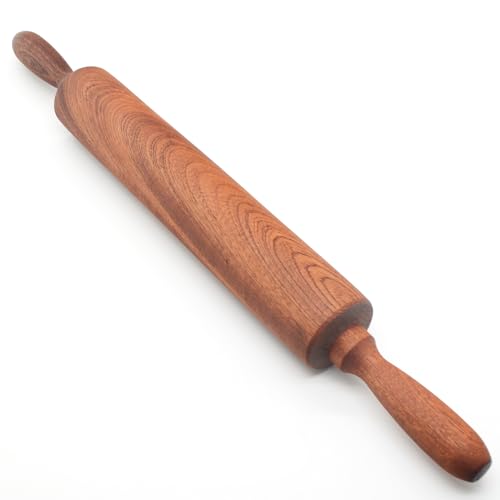
Hardwood rolling pins are commonly built from maple, beech, rubber wood, sapele, acacia, ebony, and sal hardwood. Denser species such as maple and ebony tend to resist denting and stay smooth over years of rolling, while lighter woods like rubber wood feel easier to maneuver but may show wear sooner. J.K. Adams uses North American maple across both its handled Gourmet pin and its long French taper, and Fletchers Mill highlights solid rock maple for a smooth, lasting surface. Heavier tropical hardwoods like ebony and sapele bring extra density for bakers who want a pin that feels substantial on the bench.
Barrel Design and Rolling Control
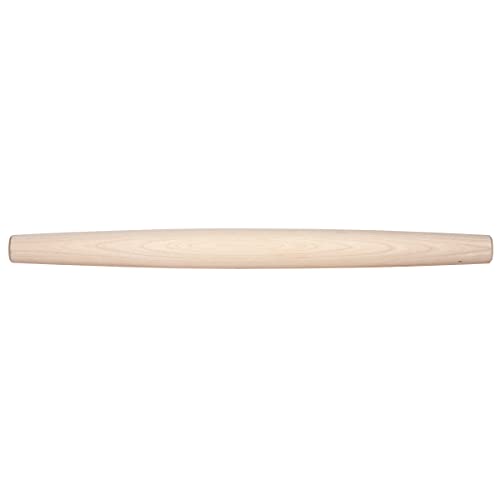
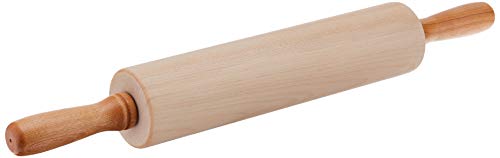
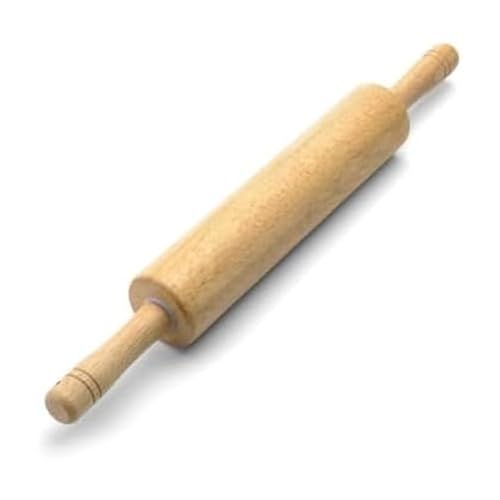
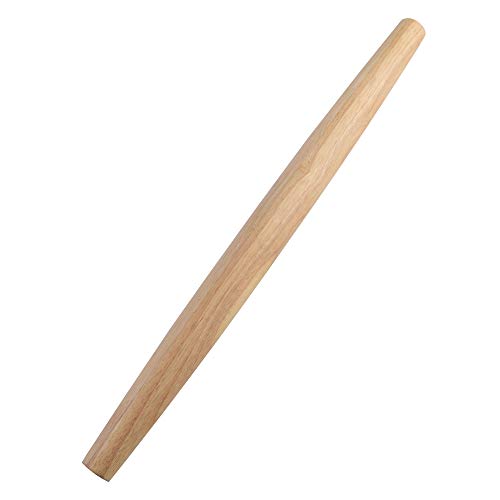
Two main barrel shapes dominate the hardwood rolling pin category. Handled rolling pins like the Farberware Classic, HELFERX beech pin, TUSIWIT sapele pin, and J.K. Adams Gourmet pin use a central barrel with separate handles, which gives strong pushing power for pizza dough and bread. French tapered rolling pins such as the Fletchers Mill 20-inch, J.K. This shape lets bakers pivot the pin and feel dough thickness under their palms, which is helpful for delicate pastry and crostata work. A handled barrel typically suits heavier doughs, while a tapered barrel supports finesse and a quieter baking style.
Barrel Length and Reach
Barrel length changes how much dough you can flatten in a single pass. The longest options in this category are the Fletchers Mill 20-inch French pin, the J.K. The J.K. Adams 12-inch Gourmet pin and the 12-inch hardwood belan style pin offer a compact option for smaller kitchens and portioned dough work.
Rolling Action and Bearings
A rolling pin’s bearings or axle determine how the barrel spins when you push forward. The GoodCook hardwood pin and HELFERX beech pin list nylon bearings, while the J.K. Adams Gourmet pin uses a full-length steel axle with self-lubricating bearings for smooth rolling across many baking seasons. French tapered pins generally lack internal bearings because the pin is rolled directly under the palms, so control depends on barrel smoothness and weight balance rather than spinning. When shopping among the top hardwood rolling pins, consider whether you prefer a spinning handled barrel or the direct feedback of a tapered pin.
Weight, Balance, and Hand Feel
Weight affects how much pressure you exert and how tired your wrists become during extended baking. Heavier handled pins like the J.K. Adams Gourmet (1.2 pounds) and Farberware Classic (1.04 pounds) deliver more force per pass, which shortens rolling time for dense bread dough. Balance matters as much as absolute weight: handled pins should feel even end to end, while tapered pins should feel centered in the hands for natural pivoting.
Finish, Durability, and Care
A smooth, sealed finish protects the wood and helps dough release cleanly. Most hardwood rolling pins in this comparison recommend wiping with a damp cloth, towel drying, and occasional treatment with food-grade mineral oil or a beeswax conditioner. Handled pins with nylon or steel bearings should never be soaked or placed in a dishwasher, and French tapers with very dense woods like ebony and sal should be kept dry between uses. Denser finishes such as the waxed maple barrel on the J.K.
Matching the Pin to Your Baking Style
For pizza and heavy bread dough, a longer handled hardwood pin like the Farberware Classic or HELFERX 17.6-inch beech pin gives the pushing power you need. For puff pastry, crostata, and delicate cookies, a tapered pin such as the J.K. Adams French taper, Fletchers Mill 20-inch French, or KARRYOUNG 17-inch rubber wood model allows the fine thickness control bakers want. The best hardwood rolling pins are the ones whose wood, length, and barrel style match the doughs you bake most often.
Final Recommendation
J.K. Adams 20.5-Inch Maple French Rolling Pin ranks first overall in this specification-based comparison under the published weighted criteria.
The final choice among the best hardwood rolling pins depends on the documented features that match your intended use.
The J.K. Adams 12-Inch Maple Wood Gourmet Rolling Pin stands out as the first overall specification-based choice thanks to its premium North American maple build, full-length steel axle with self-lubricating bearings, and balanced 12-inch handled design. For bakers who prefer a French tapered shape, the Fletchers Mill 20-Inch French Rock Maple Rolling Pin is a close specification-based alternative with extra reach, while the J.K. Adams 20.5-Inch Maple French Rolling Pin offers a similar long taper with a slightly textured non-stick surface. Together these three models represent the top hardwood rolling pins for US bakers who want strong wood quality, durable bearings or tapered control, and balanced handling across pizza, pie, pastry, and bread.
Frequently Asked Questions
Among the best hardwood rolling pins, what length rolling pin is best for home baking?
For most home kitchens, a 17 to 18-inch barrel is a versatile choice because it covers standard baking sheets and pizza stones without feeling unwieldy. Bakers who frequently roll very large dough batches may prefer a 20-inch pin such as the Fletchers Mill 20-inch French or the J.K. Adams 20.5-inch French taper, while those with limited storage space often favor shorter handled pins around 12 to 15 inches.
Is a French tapered pin better than a handled rolling pin?
Neither design is universally better; each supports a different baking style. French tapered pins like the J.K. Adams Gourmet pin deliver more downward force for pizza and bread. Many bakers keep both styles on hand.
Which hardwood is the most durable for rolling pins?
Dense North American hardwoods such as maple, along with tropical hardwoods like ebony and sapele, are among the most durable options for rolling pins. Maple is widely used in heritage US-made pins like the J.K. Adams Gourmet and J.K. Adams French taper, while ebony and sapele offer extra density for bakers who want a heavier, longer-lasting barrel. Proper care with food-grade mineral oil helps any hardwood pin last longer.
Do hardwood rolling pins need bearings?
Only handled rolling pins need bearings, because the barrel must spin independently of the handles. The J.K. Adams Gourmet pin uses a full-length steel axle with self-lubricating bearings, while the GoodCook and HELFERX pins list nylon bearings. French tapered pins are designed to be rolled directly under the palms, so they do not require a bearing system.
How should I clean and care for a hardwood rolling pin?
Most manufacturers recommend wiping the pin with a damp cloth, towel drying immediately, and avoiding soaking or dishwashing. Occasional treatment with food-grade mineral oil or a beeswax conditioner helps maintain the wood’s natural moisture and keeps the surface smooth. Following these steps will help the best hardwood rolling pins in your kitchen stay in good condition for many baking seasons.