Buying Guide
Choosing from the best dough rolling pins comes down to how each design balances barrel shape, material, and length against the doughs you bake most often. The list above includes classic handled wood pins, tapered French-style models, marble rollers, and stainless steel pins with adjustable thickness rings, so it helps to clarify the design differences before you decide which pin belongs in your kitchen.
French-style vs Handled Pins
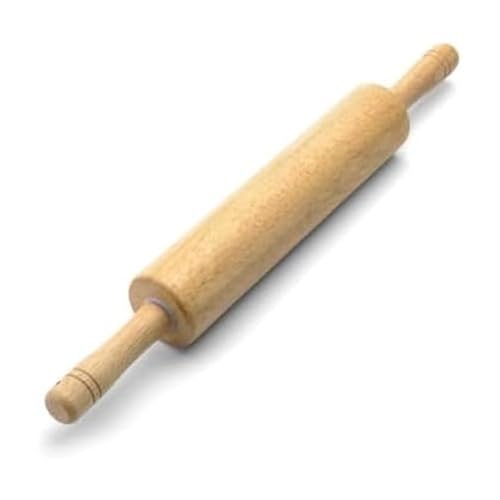
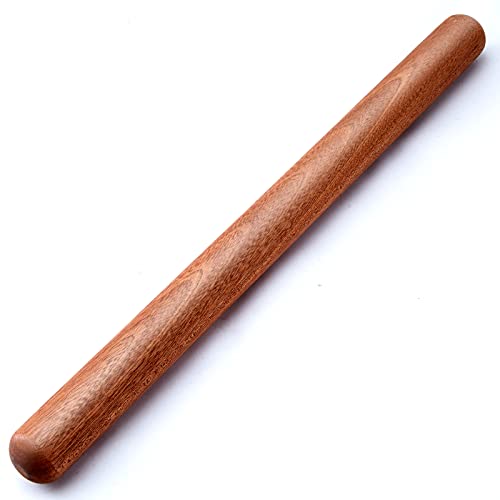
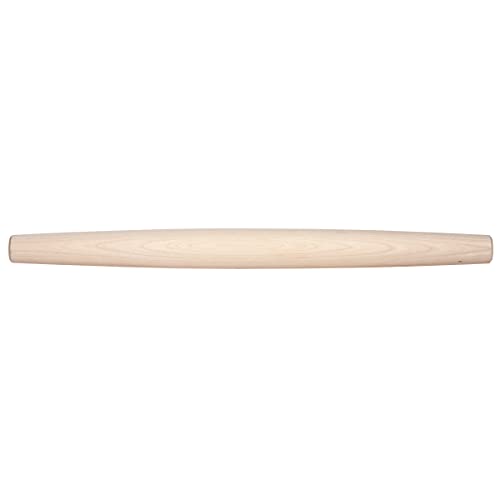
Tapered French-style pins such as the Amazon Basics Wooden French Rolling Pin and the Aisoso French Rolling Pin rely on fingertip pressure rather than side handles. The tapered ends give you finer control for small rounds of pie dough and pizza bases, and the handle-less body typically weighs less than handled wood models. Handled American-style pins such as the Farberware Classic Wood Rolling Pin and the HELFERX Beech Wood Rolling Pin use side handles for leverage on larger sheets of pastry, often combined with nylon bearings to keep the rolling motion smooth.
Barrel Length and Working Surface
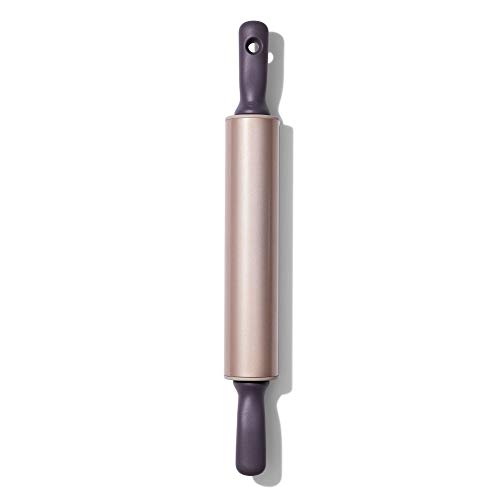
Long barrels roll wider doughs in fewer passes, which is useful for full sheet pans of cookies or large pizza bases. The Farberware 18-Inch and HELFERX 17.6-Inch both lean into that length, while more compact 12.8- to 16.5-inch pins concentrate weight for tighter maneuvering. Marble and steel pins such as the OXO Good Grips Non-Stick Steel Rolling Pin and the Zulay Kitchen Marble Rolling Pin add thermal mass so dough stays cool.
Material and Rolling Surface
Hardwood and beech barrels deliver a familiar rolling feel and can be refreshed with mineral oil between uses.
Adjustable Thickness Rings
Removing all rings returns the pin to a standard rolling configuration, so you do not lose the classic feel when you want it.
Care and Maintenance
Wood pins should be wiped clean, dried immediately, and occasionally treated with food-grade oil. The GoodCook Classic and HELFERX beech models follow this rule of thumb. Stainless steel and seamless marble pins generally wipe clean with a damp cloth, and dishwasher-safe steel models simplify cleanup further. Always towel-dry wood after wiping to prevent swelling or cracking.
Matching the Pin to the Recipe
Pizza and large pastry sheets benefit from a long handled or French-style wood pin. Butter-heavy doughs for croissants or puff pastry appreciate a cool marble or chillable steel barrel. Calibrated cookies, dumplings, or noodles pair well with stainless steel plus rings. Choosing from the best dough rolling pins for the specific doughs you bake most often will produce the most consistent results in your kitchen.
Final Recommendation
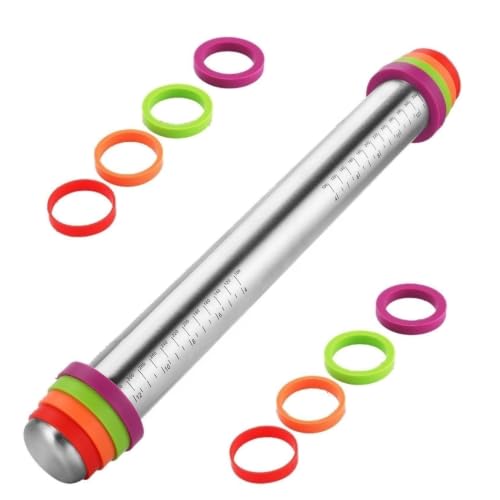
BIDFUL Adjustable Stainless Steel Rolling Pin with Thickness Rings ranks first overall in this specification-based comparison under the published weighted criteria.
The final choice among the best dough rolling pins depends on the documented features that match your intended use.
For a versatile, specification-led build, the Farberware Classic Wood Rolling Pin stands out as the first overall specification-based choice on this list thanks to its long handled hardwood barrel, ergonomic comfort grip handles, and documented balanced weight for steady pressure across pizza, pastry, and bread dough. The BIDFUL Adjustable Rolling Pin is a strong alternative if you want stainless steel precision with four thickness sizes, while the Zulay Kitchen Marble Rolling Pin is the top dough rolling pins pick for cold-work butter doughs thanks to its naturally cool polished marble surface and rolling bearings. Each of these top dough rolling pins addresses a slightly different rolling style, so choosing between them comes down to whether you prefer the control of wood, the precision of steel, or the cooling effect of marble.
Frequently Asked Questions
What is the difference between a French-style and a handled rolling pin for dough?
French-style pins such as the Aisoso French Rolling Pin are tapered with no side handles, so you control pressure with your palms and fingertips. Handled pins such as the Farberware Classic Wood Rolling Pin use side handles for added leverage and balance when rolling larger sheets of dough.
Are the best dough rolling pins made of wood, marble, or stainless steel?
All three materials perform well, but each has trade-offs. Wood is light and familiar, marble stays cool for butter-rich doughs, and stainless steel resists sticking and can often go in the dishwasher. The best dough rolling pins for your kitchen depend on which qualities matter most for your baking style.
Do rolling pins with thickness rings really help with dough consistency?
Pins with thickness rings, including the BIDFUL Adjustable Stainless Steel Rolling Pin and the Joseph Joseph PrecisionPin, enforce a uniform dough thickness across each pass. For laminated pastry, dumpling wrappers, or rolled cookies, that consistency can simplify shaping and baking.
How should I clean and care for a wooden dough rolling pin?
Wipe the surface with a damp cloth, towel-dry immediately, and avoid soaking the wood. Occasional treatment with food-grade mineral oil keeps the surface smooth and reduces sticking, which is why the Vinoil and HELFERX beech models recommend the same routine.
How do I choose the right length for a new baking rolling pin?
Match the barrel to the dough you bake most often. Larger pizza or pastry sheets benefit from 17- to 18-inch barrels such as those on the Farberware and HELFERX pins, while smaller cookies or dumplings are easier with a 12- to 16-inch pin. Consider drawer storage and counter space, since longer pins need more room.