Buying Guide
Choosing among the best hot tub and swimming pool chlorine alternatives in 2026 comes down to matching chemistry to your water system, then matching container size to how often you soak or swim. The listings above break down into two broad families: true chlorine alternatives such as bromine tablets, hydrogen peroxide oxidizers, and oxygen-based shocks, plus chlorine-based products that still show up in pool routines. Thinking through each family helps narrow the field before you look at individual SKUs.
Identify the Active Chemistry You Actually Need
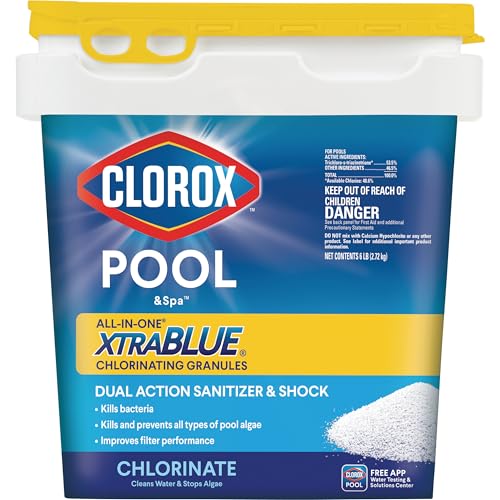
A genuine chlorine alternative should not contain free available chlorine as its primary sanitizer. Bromine tablets such as BROMIGUARD and AquaDoc Bromine Tablets rely on bromine chemistry, which stays active across a wider pH range and produces bromamines that still sanitize. Hydrogen peroxide-based products like Nature’s Freedom act as oxidizers rather than residual sanitizers and pair well with a separate system. Oxygen-based shocks like AquaDoc Chlorine-Free Oxidizing Shock and the SHAPON shock break down organic buildup without raising chlorine levels. If a product still uses chlorine as its main sanitizer, such as Clorox Pool and Spa XtraBlue Chlorinating Granules or Clorox Pool and Spa Shock XtraBlue Plus, it belongs in a chlorine routine rather than a chlorine-free routine.
Match the Product to Your Sanitizer System
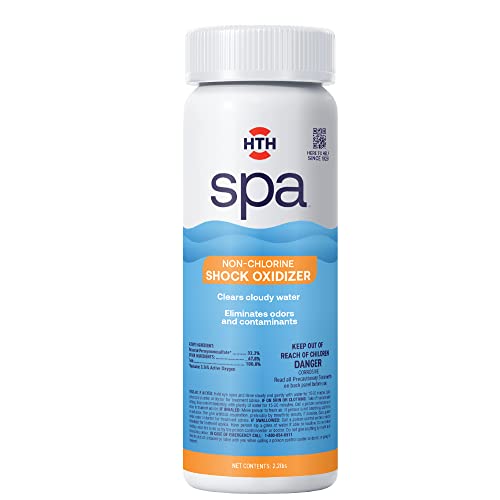
Every system benefits from a specific oxidizer. Bromine spas frequently pair a bromine tablet with a non-chlorine shock such as HTH Spa Non-Chlorine Shock Oxidizer, which is explicitly compatible with both bromine and chlorine systems. Saltwater pools can use oxygen-based shocks like AquaDoc Chlorine-Free Oxidizing Shock that list saltwater compatibility. For cold plunges or small residential spas, a hydrogen peroxide oxidizer like Nature’s Freedom is listed for both spas and cold plunges, which simplifies chemical storage.
Consider Odor, Skin Comfort, and Sensitivity
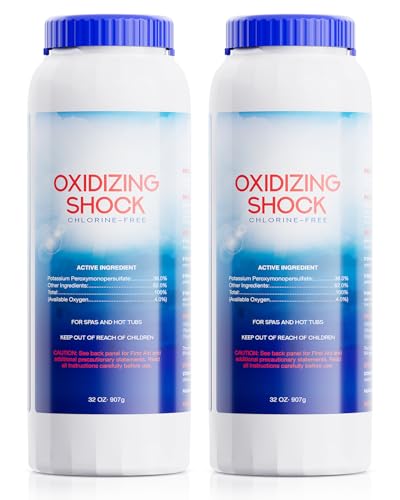
Chloramines and bromamines drive most of the strong chemical smell around pools and spas. Non-chlorine shocks like HTH Spa, POOLHOUR, SHAPON, and Kriooxluue specifically target odor-causing contaminants and chlorine odor. Bromine tablets tend to have a gentler scent profile than chlorine and are a common alternative for users with chlorine sensitivity. Matching a product’s odor-reduction claims to your household’s tolerance for chemical scent is a practical decision point.
Check Container Size and Coverage
Container size affects how long a product lasts between repurchases. AquaDoc Chlorine-Free Oxidizing Shock comes in a 10-pound bag suited to high-volume pool routines, while SHAPON’s 5-pound bag suits medium spa use. Kriooxluue’s 2-pound chlorine-free shock and BROMIGUARD’s 1.2-pound bromine tablet pack suit lighter spa users. The POOLHOUR two-pack of 32-ounce bottles and the six 1-pound bags of Clorox XtraBlue Plus shock align dosing with weekly schedules.
Look at Ease of Application
Liquid oxidizers and granular shocks behave differently. Liquid hydrogen peroxide products like Nature’s Freedom and POOLHOUR often need measuring before dosing, while granular non-chlorine shocks like Kriooxluue, SHAPON, and AquaDoc are designed to pour directly into circulating water. Bromine tablets need a floater, dispenser, or automatic brominator, which adds a piece of equipment but reduces the need for repeated manual dosing. A built-in measuring scoop, like the one included with SHAPON, can simplify granular dosing.
Verify Equipment and Surface Compatibility
Most non-chlorine shocks in this list advertise compatibility with common spa equipment and pool surfaces. Bromine tablets such as BROMIGUARD and AquaDoc are typically used with standard spa equipment, and Clorox Pool and Spa XtraBlue Plus lists compatibility with vinyl, plaster, fiberglass, and tile. Pool owners with heaters, salt cells, or specific finishes should always re-check the label for equipment guidance before switching products.
Final Recommendation
AquaDoc Chlorine-Free Oxidizing Shock (10 lb) ranks first overall in this specification-based comparison under the published weighted criteria.
The final choice among the best hot tub and swimming pool chlorine alternatives depends on the documented features that match your intended use.
If you want a single specification-based starting point from the top hot tub and swimming pool chlorine alternatives above, Nature’s Freedom Hydrogen Peroxide Pool and Spa Oxidizer stands out as the first overall specification-based choice thanks to its NSF/ANSI/CAN 50 certification, multi-use coverage of pools, spas, hot tubs, and cold plunges, and clean non-chlorine oxidizer profile. For spa owners committed to bromine, BROMIGUARD 1.2LB Bromine Tablets offer high active ingredient content and stable hot-temperature performance. Pool operators running weekly shock routines on chlorine or saltwater systems should consider AquaDoc Chlorine-Free Oxidizing Shock for the broadest system compatibility. Together, these three cover the main paths through the top hot tub and swimming pool chlorine alternatives for 2026.
Frequently Asked Questions
Among the best hot tub and swimming pool chlorine alternatives, what is the most popular non-chlorine option for hot tubs and pools in 2026?
Among the best hot tub and swimming pool chlorine alternatives, oxygen-based non-chlorine shocks and bromine tablets appear most often in product listings. AquaDoc Chlorine-Free Oxidizing Shock and the BROMIGUARD tablets both reflect this dual pattern.
Can I use hydrogen peroxide in a hot tub instead of chlorine?
Nature’s Freedom Hydrogen Peroxide Pool and Spa Oxidizer lists hot tubs, spas, pools, and cold plunges on its label, so hydrogen peroxide is positioned for spa use. It functions as an oxidizer and is typically paired with another sanitizer to maintain residual protection.
Are bromine tablets a safe alternative to chlorine in hot tubs?
BROMIGUARD and AquaDoc Bromine Tablets are both marketed as low-odor alternatives to chlorine in hot tubs. They use bromine chemistry that remains active at higher temperatures and across a broader pH range than chlorine.
Do non-chlorine shocks work in saltwater pools?
AquaDoc Chlorine-Free Oxidizing Shock explicitly lists saltwater compatibility alongside chlorine and bromine systems, making it suitable for saltwater pool owners who want a chlorine-free shock routine.
How do I choose between a non-chlorine shock and a bromine tablet?
Use a bromine tablet as a residual sanitizer and a non-chlorine shock as an oxidizer that breaks down buildup. Many spa routines combine both, with products like BROMIGUARD for daily sanitation and HTH Spa Non-Chlorine Shock Oxidizer for routine shocking.