Buying Guide
The best over-the-head telephone headsets should be selected by matching the headset connection, wearing format, microphone design, and work pattern to the telephone system. The listings in this comparison include wired RJ9 and RJ09 headsets, direct desk-phone systems, and wireless DECT models. A headset that looks suitable may still need a compatible cable, handset lifter, or electronic hookswitch for call control.
Start with the telephone connection
First identify the port or base connection on the desk phone. The Spracht ZūM RJ9M is designed to plug directly into an RJ9 headset port and includes a smart cord. The VT6932 uses quick-disconnect RJ09 cables and lists compatibility with many IP-phone brands. These wired choices avoid battery charging but keep the user tethered to the telephone.
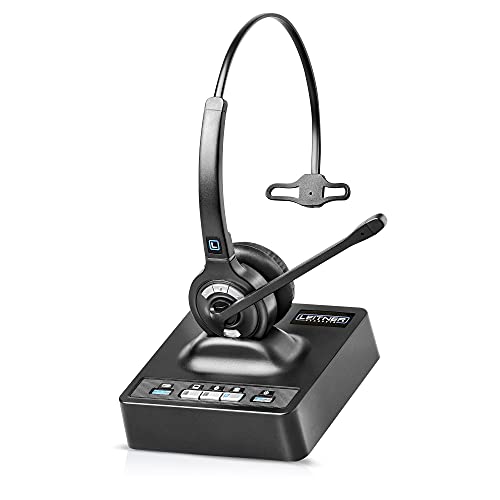
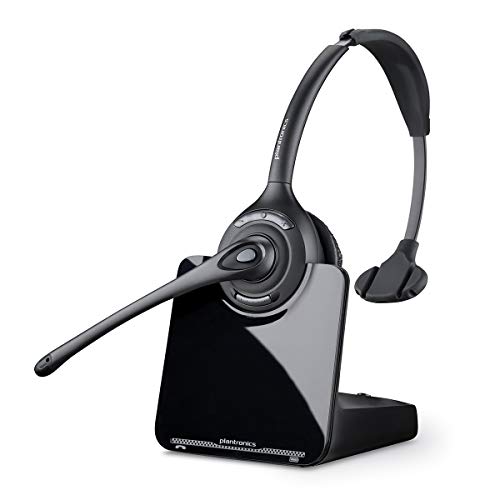
Wireless systems use a base or office telephone connection rather than a simple headphone plug. The Plantronics CS510 and CS520 listings identify desk-phone use and DECT wireless technology. The AT&T Marathon is described for corded desk phones, multiline systems, VOIP, and analog setups. The Leitner LH370 goes further by documenting connections for a desk phone, computer, and Bluetooth device through its base.
Choose monaural or binaural listening
A monaural headset places audio at one ear and leaves the other available for nearby conversations. The Leitner LH370, CS510, Savi 7310, Savi 7410, Spracht ZūM RJ9M, and VT6932 document single-ear or mono designs. This format can suit reception desks, supervisors, and offices where awareness of the surrounding workspace matters.
A binaural headset covers both ears. The Plantronics CS520 and HP Poly Savi 7320 document binaural designs, with the Savi 7320 also specifying stereo sound and ear-cup cushions. Two-ear coverage may be preferable when telephone speech needs to remain the main audio focus. It may be less suitable when the wearer frequently needs to hear people nearby.
Compare microphone evidence
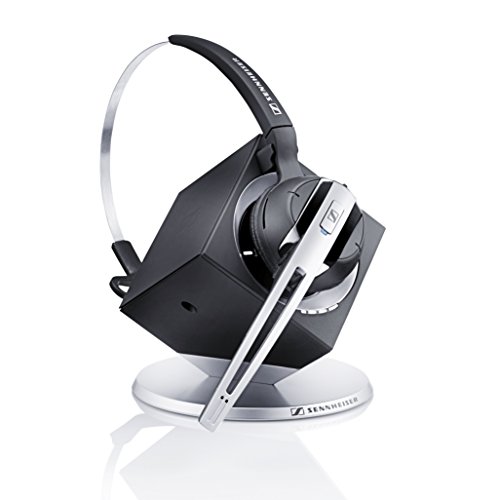
For busy rooms, look for explicit microphone information instead of assuming every office headset performs the same way. The Leitner LH370 and Sennheiser OfficeRunner list noise-canceling microphones. The CS510 identifies a noise-canceling microphone, while the Savi 7320 specifies Poly Acoustic Fence technology. The VT6932 and Spracht ZūM RJ9M also document noise-control or voice-clarity features.
These descriptions establish listed design features, not independent measurements. They should therefore be treated as specification evidence rather than a statement that every surrounding sound will be removed. Boom adjustability can also matter: the Spracht and VT6932 listings document 300-degree microphone movement.
Consider wireless range and battery details
Wireless range is especially relevant when a user moves between a desk, printer, filing area, or meeting space. Listed figures range from 350 feet for the CS510, CS520, and LH370 to 400 feet for the OfficeRunner, 500 feet for the Marathon, and 580 to 590 feet for the Savi 7310, Savi 7320, and Savi 7410. These are supplied listing figures, and actual office conditions can affect wireless operation.
Battery information is available for some models. The CS510 lists up to 13 hours of wireless talk time, the OfficeRunner lists 12 hours, and the Marathon lists nine hours. The other selected models do not provide equivalent talk-time information in the supplied evidence, so they should not be compared on battery duration alone.
Check call controls and required accessories
Call controls can reduce the need to reach for the phone. The CS510 lists one-touch answer/end, volume, and mute controls. The Spracht ZūM RJ9M has an inline mute controller, and the Savi 7320 lists security and microphone features rather than specific handset controls. For the CS510 and CS520, the listing says an electronic hookswitch cable or handset lifter can be used to remotely answer or end calls. Those components are sold separately according to the supplied evidence.
Match the design to the workday
For a fixed workstation and simple phone connection, a wired RJ9 or RJ09 model may be the clearest fit. For roaming, a DECT headset with a base is more appropriate. For mixed communication devices, the LH370 explicitly documents desk phone, computer, and Bluetooth connections through one base. For changing fit preferences, the OfficeRunner and Marathon document multiple wearing styles, while the CS510 and CS520 listings mention three comfortable wearing styles.
Final Recommendation
HP Poly Savi 7320 Office Wireless Headset ranks first overall in this specification-based comparison under the published weighted criteria.
HP Poly Savi 7320 Office Wireless Headset is the first overall specification-based choice among these best over-the-head telephone headsets. Its documented binaural stereo audio, Acoustic Fence microphone technology, 590-foot DECT range, and DECT security specifications give it the highest weighted editorial result in this comparison.
Choose the Leitner LH370 when desk phone, computer, and Bluetooth connections through one base are priorities. The Sennheiser OfficeRunner is a flexible alternative when an over-the-head attachment and on-ear loops are both useful. For a wired desk phone, the Spracht ZūM RJ9M provides direct RJ9 connection evidence and practical inline controls.
The top over-the-head telephone headsets are not interchangeable in installation. Confirm the desk-phone port, required cable, wireless base connection, and need for remote answer/end control before selecting a model. Users who want over-the-head, on-ear, or behind-the-neck options should consider the AT&T Marathon, while those needing two-ear coverage should focus on the CS520 or Savi 7320.
Frequently Asked Questions
Are over-the-head telephone headsets compatible with every desk phone?
No. Compatibility depends on the telephone port, cable, base, and phone system. The Spracht ZūM RJ9M is listed for RJ9 desk-phone ports, while the VT6932 includes QD-RJ09 cables and names multiple compatible IP-phone brands. Wireless models such as the CS510, CS520, and Marathon connect through telephone-oriented bases or systems. Check the phone model and connection requirements before choosing.
Is a monaural or binaural headset better for office calls?
Neither format is universally better. Monaural models such as the Leitner LH370, Savi 7310, Savi 7410, and Spracht ZūM RJ9M leave one ear open. Binaural options such as the CS520 and Savi 7320 cover both ears and may suit users who want more focused two-ear listening. The decision depends on whether nearby awareness or two-ear coverage is more useful at the workstation.
Which of these best over-the-head telephone headsets supports wireless movement?
The supplied listings document wireless ranges from 350 feet on the CS510, CS520, and LH370 to 590 feet on the Savi 7410 and Savi 7320. The AT&T Marathon lists up to 500 feet, and the Sennheiser OfficeRunner lists up to 400 feet. These figures are manufacturer or seller listing specifications, not independent range tests.
Do telephone headsets always include remote call controls?
No. Some controls are built into the headset or cord, while remote answer/end may need an additional accessory. The CS510 lists one-touch answer/end, volume, and mute, but its listing also mentions a separately sold electronic hookswitch cable or handset lifter. The Spracht ZūM RJ9M includes inline mute, while other models may rely on the telephone system or base for call handling.
What should users choose for a noisy office?
Look for explicit noise-control evidence. The Leitner LH370, Sennheiser OfficeRunner, CS510, VT6932, and Spracht ZūM RJ9M list noise-canceling or noise-reduction microphone features. The HP Poly Savi 7320 specifies Acoustic Fence technology. These are documented design claims rather than independent performance results, so the surrounding environment and phone system still matter.