Buying Guide
Picking the best plastic adhesive caulk comes down to matching the sealant’s chemistry, cure profile, and documented substrate list to the joints in front of you. The ten picks above cover three main chemistries — polyurethane (Sikaflex-221), hybrid polymer (OB1), and 100 percent silicone (SHIELDOM, POLIXEL, SHIELDOM RTV, XIRUJNFD) — plus vinyl-tackified caulks (Phenoseal) and general-purpose adhesive caulks (Loctite POLYSEAMSEAL, DAP Kwik Seal, Sashco Lexel). Each brings a different balance of flexibility, paintability, and substrate reach, so the right top plastic adhesive caulk for your job depends on which trade-off matters most.
Match Chemistry to Substrate and Movement
Start by checking the documented substrate list on each listing. Polyurethane formulas like Sikaflex-221 bond to metals, plastics, and metal primers while remaining permanently elastic, which suits plastic assemblies that flex with vibration or thermal cycling. Hybrid polymers such as OB1 stretch that range further to include wood, concrete, glass, PVC, and tile, and can be applied to wet or dry surfaces. Pure silicone options, including the SHIELDOM, POLIXEL, and SHIELDOM RTV picks, focus on glass, ceramic, metal, and many plastics, with strong flexibility for joints that expand and contract. Vinyl-tackified caulks like Phenoseal prioritize adhesion to vinyl, wood, aluminum, and brick for siding and trim work.
Weigh Flexibility, Cure Time, and Service Conditions
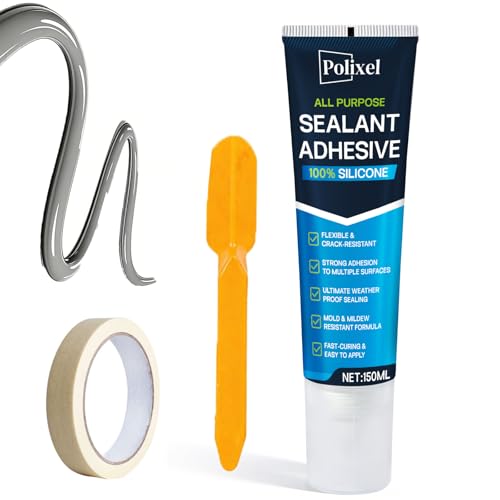
Flexibility and movement tolerance matter when plastic parts expand with heat or shift under load. POLIXEL documents a service range from about -40°C to 200°C, while Sikaflex-221 is described as a permanently elastic seal that resists aging and seawater exposure. Look for silicone or polyurethane options when the joint sees vibration, and consider vinyl or hybrid caulks for static trim and siding joints where rigidity is acceptable. Cure profiles also vary: SHIELDOM RTV silicone sets within roughly 24 hours, while Phenoseal needs 7 to 14 days before painting, and DAP Kwik Seal is shower-ready in 48 hours.
Indoor vs Outdoor and Paintability
Outdoor plastic repairs benefit from formulas that document UV and weather resistance, such as POLIXEL, SHIELDOM, and Sikaflex-221. Indoor kitchen and bath work often prioritizes paintability and water resistance — DAP Kwik Seal accepts latex or oil-based paint and is 100 percent waterproof, while Phenoseal is paintable after full cure. Note that pure silicone chemistries generally do not accept paint, so if you plan to topcoat, lean toward polyurethane, hybrid, vinyl, or latex-based adhesive caulks instead.
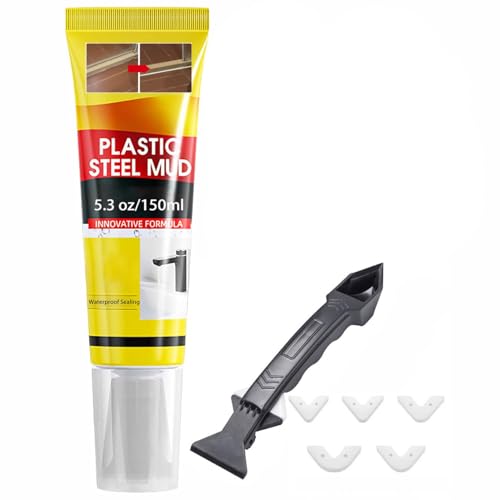
Cartridges such as Sikaflex-221 and OB1 fit standard caulk guns and suit longer runs. Squeeze tubes — including Loctite POLYSEAMSEAL, SHIELDOM, SHIELDOM RTV, POLIXEL, XIRUJNFD, and Phenoseal — work well for small repairs without a gun. Bundled kits add value: SHIELDOM includes a finishing tool, finger sleeve, and masking tape, and XIRUJNFD ships with a built-in scraper. For multi-project overhauls, the DAP Kwik Seal 6-pack delivers enough volume to cover kitchens or baths in one purchase. Sashco Lexel rounds out the format options with a 10.5 oz cartridge of clear caulk that adheres to wet surfaces.
Final recommendation
Sikaflex-221 Polyurethane Sealant/Adhesive (Black, 10.1 fl oz) ranks first overall in this specification-based comparison under the published weighted criteria.
The final choice among the best plastic adhesive caulk depends on the documented features that match your intended use.
If you want one specification-based choice that covers the broadest set of plastic and non-plastic substrates, Sikaflex-221 Polyurethane Sealant/Adhesive is the top plastic adhesive caulk to start with, thanks to its documented bonds to plastics, metals, ceramics, and primed coatings along with a permanent elastic cure. For projects that combine plastic with wet, damp, or dry conditions across many materials, OB1 Universal Caulk Sealant & Adhesive is a strong hybrid alternative. When you need clear, paintable joints on vinyl and general trim, Sashco Lexel Adhesive Caulk and Phenoseal are the picks to match.
Frequently Asked Questions
What is the best plastic adhesive caulk for mixed materials?
For mixed-metal-and-plastic joints, polyurethane options like Sikaflex-221 document bonds to plastics, metals, and metal primers while staying elastic. Hybrid polymers such as OB1 extend that reach to wood, concrete, tile, PVC, and glass on wet or dry surfaces.
Which plastic adhesive caulk works on wet surfaces?
OB1 Universal Caulk Sealant & Adhesive and Sashco Lexel Adhesive Caulk both document application to wet or damp substrates. These are useful for exterior repairs where drying the surface fully is not practical.
Can I paint over plastic adhesive caulk?
Paintable picks include Sikaflex-221 (sandable and paintable), OB1 (paintable in about one hour), DAP Kwik Seal (latex or oil-based paint), and Phenoseal (paintable after full cure). Pure silicone caulks like SHIELDOM, SHIELDOM RTV, and POLIXEL typically do not accept paint.
For small repairs without a caulk gun, squeeze tubes such as Loctite POLYSEAMSEAL, SHIELDOM, SHIELDOM RTV, POLIXEL, XIRUJNFD, and Phenoseal offer controlled flow. Bundled kits add a finishing tool or scraper for tidier beads on visible plastic joints.
Which plastic adhesive caulk handles temperature swings best?
POLIXEL documents a service range from about -40°C to 200°C with no primer needed on most plastics. Sikaflex-221 also resists aging, seawater, and temperature extremes for outdoor plastic assemblies that see thermal cycling.