Buying Guide
Choosing among the best serial port adapters starts with identifying the serial standard and the physical connection on both devices. “Serial” is not one universal interface: RS-232 commonly uses a DB9 connector for point-to-point equipment, while RS-422 and RS-485 support different wiring arrangements and communication patterns. A USB-to-RS-232 cable cannot automatically replace an RS-485 or RS-422 converter. Confirm the protocol before comparing chipset, cable length, or operating-system details.
Match the serial standard first
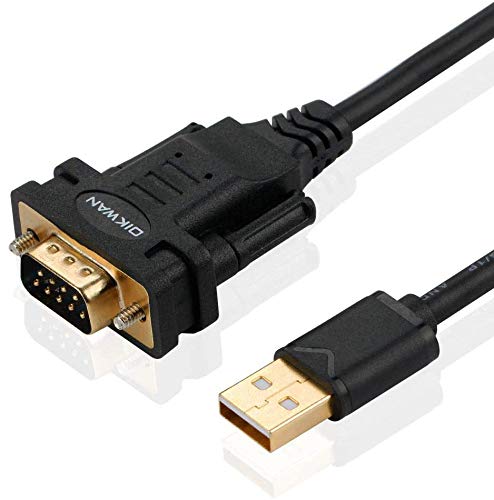
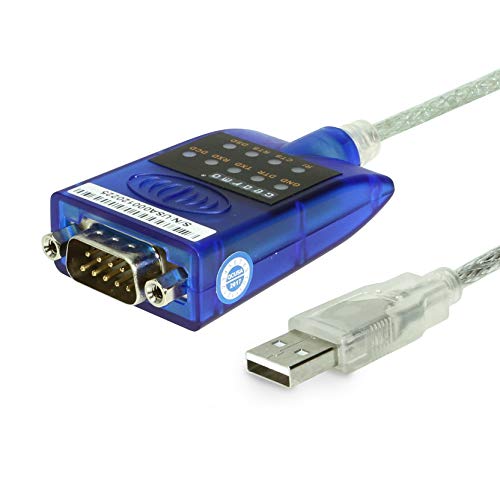
RS-232 is represented throughout this list by single-port USB cables, the eight-port StarTech.com hub, and PCI Express cards. These products are intended for devices such as modems, printers, PLC controllers, barcode scanners, GPS equipment, and network hardware when the device uses RS-232 signaling. The OIKWAN AQ-17, ATEN UC232A, SABRENT CB-FTDI, Gearmo FTDI-LED, USBGear USB-COM-CBL, StarTech.com ICUSB232V2, and Cable Matters USB-C adapter are all single-link designs.
RS-485 and RS-422 need separate consideration. The OIKWAN AQ-RS485 is the selected design that documents both standards, automatic direction conversion, point-to-point and point-to-multipoint modes, and full- or half-duplex operation. Those specifications matter for control equipment and installations where several devices or longer cable runs are part of the system. Do not select an RS-232 cable simply because the word “serial” appears in the equipment documentation.
Check connector gender and wiring
The DB9 gender is a practical compatibility checkpoint. The OIKWAN AQ-17 and SABRENT CB-FTDI use male DB9 connectors, while Cable Matters describes a male DB9 plug for equipment with a female DB9 port. The USBGear listing also specifically identifies its connector as male.
A straight-through cable and a null-modem connection are not interchangeable in every setup. The Cable Matters listing says a null-modem adapter may be needed for direct computer-to-computer serial connections. Before installation, compare the device manual, pinout, connector gender, and whether the equipment expects a straight-through or null-modem arrangement. This check can prevent an otherwise suitable adapter from being mismatched.
Evaluate chipset and data handling
Chipset information is useful because it identifies the conversion hardware and helps distinguish the documented capabilities of each product. FTDI chipsets appear in the USBGear, ATEN, SABRENT, Gearmo, and OIKWAN RS-232 products, while the StarTech.com ICUSB232V2 lists a Prolific PL2303GT chipset. The OIKWAN RS-485/RS-422 model lists FTDI232RL and MX485 chips for its two protocol families.
Look beyond a chipset name when the application has specific communication requirements. USBGear lists a 921.6 Kbps baud rate, 512-byte transmit and receive buffers, and non-standard baud rates. StarTech.com ICUSB232V2 lists a 921.6 Kbps maximum, 512-byte FIFO, multiple parity modes, and several data-bit options. The PEX1S953LP PCIe card documents a 16950 UART, 256-byte FIFO, a ninth data bit, and bidirectional speeds up to 921.6 Kbps. These details are more useful than a general claim that an adapter is “high speed.”
The OIKWAN RS-485/RS-422 cable adds automatic direction control and TVS protection to its documented feature set. Those are relevant when the connected equipment uses those standards and the installation needs the listed communication modes. The product page also states transmission up to 1,200 meters for RS-485/RS-422 equipment; treat that as a stated specification, not an independent measurement.
Confirm operating-system support
Operating-system compatibility varies by listing. ATEN UC232A, StarTech.com ICUSB232V2, USBGear USB-COM-CBL, Gearmo FTDI-LED, and OIKWAN AQ-17 document Windows, Mac or macOS, and Linux support. Cable Matters specifically documents current Windows and macOS compatibility. The eight-port StarTech.com hub listing emphasizes industrial construction and COM retention but supplies less detailed operating-system information than several single-port models.
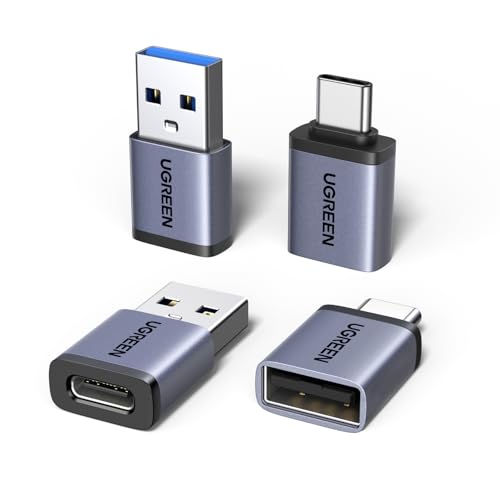
Also check whether the computer has USB-A, USB-C, or an available PCI Express slot. The Cable Matters adapter connects directly to USB-C. Most of the selected cable adapters use USB-A. The PEX1S953LP is an internal PCI Express card rather than an external cable, so it fits a different type of computer. Compatibility should include the host port, operating system, driver requirements, and the serial device’s connector and protocol.
Cable length affects placement. USBGear provides a 12-inch cable, StarTech.com ICUSB232V2 is 17 inches, Cable Matters is three feet, Gearmo and OIKWAN AQ-17 are five and six feet respectively, and SABRENT is six feet. A short lead keeps a portable setup compact, while a longer cable may reach equipment mounted away from the computer. Longer is not automatically better if it creates cable clutter or complicates routing.
For fixed installations, the format may matter more than cable length. The eight-port StarTech.com hub has a metal enclosure, wall-mount brackets, and DIN rail clips. The PEX1S953LP includes low- and full-profile brackets for desktop or server chassis. These options are more suitable when the adapter needs a defined mounting location rather than a loose cable connection.
Decide between one port and several
A single-port adapter is appropriate when one computer needs to communicate with one serial device at a time. USBGear adds status LEDs, ATEN emphasizes automatic handshaking, and StarTech.com ICUSB232V2 provides detailed serial-format settings. For eight connected RS-232 devices, the StarTech.com ICUSB2328I is the only selected multi-port hub and documents COM retention to help preserve assigned port values after reboots.
An internal PCIe card makes sense when the computer is a desktop or server and a built-in DB9 port is preferred. For a USB-C laptop, the Cable Matters design is the most direct selected match.
Practical compatibility checklist
Before selecting from the best serial port adapters, verify six items: RS-232, RS-422, or RS-485 protocol; DB9 gender and pinout; straight-through or null-modem requirement; host connector type; operating-system support; and required baud, parity, data-bit, and duplex settings. Then decide whether you need LEDs, retained COM assignments, mounting hardware, multiple ports, or a particular cable length. This approach keeps the comparison tied to documented specifications rather than assumptions about an unlisted configuration.
Final Recommendation
OIKWAN USB to RS-485/RS-422 Adapter ranks first overall in this specification-based comparison under the published weighted criteria.
USBGear USB-COM-CBL is the highest-scoring returned product and the first overall specification-based choice among these best serial port adapters. Its FTDI chipset, 921.6 Kbps stated baud rate, dual 512-byte buffers, non-standard baud-rate support, and TxD/RxD indicators give it the most complete documented single-port feature set in this comparison.
Choose ATEN UC232A when automatic handshaking and broad device examples matter. Select StarTech.com ICUSB232V2 when parity, data-bit, FIFO, and baud-rate details are central to configuration. For eight RS-232 devices, StarTech.com ICUSB2328I is the purpose-built option, while StarTech.com PEX1S953LP fits an internal low- or standard-profile desktop. OIKWAN AQ-RS485 is the appropriate protocol-specific choice for documented RS-485 or RS-422 modes, and Cable Matters is the direct fit for a USB-C host.
These top serial port adapters are not interchangeable: connector gender, protocol, host port, and wiring remain decisive. Use the product whose documented specifications match the equipment on both ends of the connection.
Frequently Asked Questions
Among the best serial port adapters, are USB-to-RS-232 and USB-to-RS-485 adapters interchangeable?
No. RS-232 and RS-485 use different signaling approaches and connection arrangements. The OIKWAN AQ-RS485 is documented for RS-485 and RS-422, while the USBGear USB-COM-CBL and ATEN UC232A are RS-232 products. Match the adapter to the serial standard specified by the connected equipment.
What DB9 connector should I choose?
Check the connector on the serial device and the adapter listing. USBGear USB-COM-CBL, OIKWAN AQ-17, SABRENT CB-FTDI, and Cable Matters specify male DB9 connections. Cable Matters also notes that a null-modem adapter may be required for direct computer-to-computer connections. Connector gender alone does not confirm the correct pinout.
Is a USB-C serial adapter different from a USB-A model?
The host connector is different. Cable Matters provides a direct USB-C-to-RS-232 connection, while the other selected cable adapters generally use USB-A. Choose the format that matches the computer, and verify the operating-system support and DB9 connection on the equipment side.
When is a multi-port serial hub useful?
A multi-port hub is useful when one computer must connect with several RS-232 devices. StarTech.com ICUSB2328I documents eight ports, a metal enclosure, COM retention, wall-mount brackets, and DIN rail clips. A single-port cable is simpler when only one serial device is needed.
Should I choose a PCIe serial card or an external cable?
Choose the StarTech.com PEX1S953LP PCIe card when the computer has an open PCI Express slot and an internal DB9 port is appropriate. Choose an external cable such as ATEN UC232A or USBGear USB-COM-CBL when portability or simple USB connection is more important. The computer’s chassis, available slot, host port, and operating system should guide the choice.