Buying Guide
Choosing the best rose herbal tea starts with identifying whether rose is the central botanical or one part of a larger blend. The selected products fall into three practical groups: whole buds or petals, loose multi-herb blends, and pre-portioned tea bags. Each format changes how much control you have over the serving and how much preparation is required.
Pure buds and petals versus blends
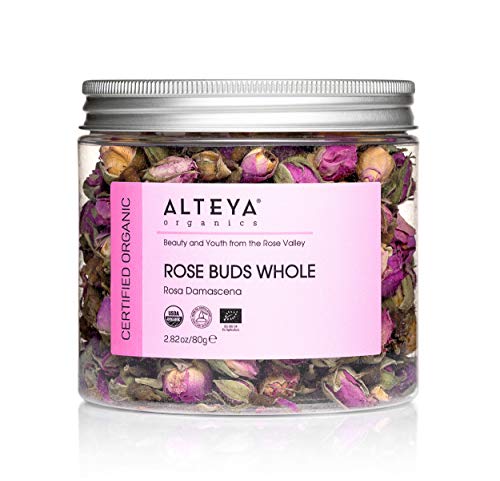
Whole-bud products such as Alteya Organics Rose Bud Tea and Alpi Nature Dried Whole Rose Buds keep the ingredient list short. Both listings identify dried rose buds, and Alpi Nature specifically names Rosa damascena. These options suit shoppers who want rose to remain the defining ingredient and who are comfortable using a strainer or infuser.
is another loose botanical option, with USDA organic petals and a stated food-grade, culinary-use orientation. It was not selected for the final 10 because the most specification-aligned comparison set offered more detailed tea-specific preparation or stronger blend documentation. The distinction is useful: petals and buds may be sold for tea while also being positioned for baking, drinks, or custom blends.
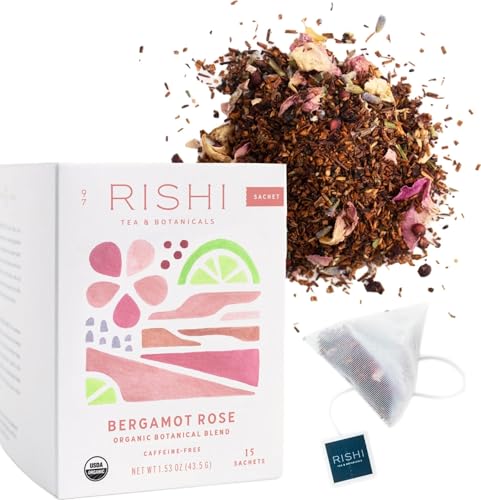
Blends provide a different direction. Rishi Bergamot Rose uses rooibos, rose petals, and bergamot essence. ORGANIC INDIA Tulsi Sweet Rose adds several tulsi varieties and chamomile. VAHDAM combines hibiscus, rose, chamomile, and cardamom. These formulas can be a better fit when you want rose alongside citrus, mint-like basil, tart hibiscus, or spice notes, but the rose may be less singular than in a pure-bud product.
Choose loose tea or bags
Loose tea gives you more control over quantity and usually requires an infuser, tea strainer, or filter cup. BLUE TEA supplies a 1-2 teaspoon instruction, while Alpi Nature suggests two to three buds in 250 ml of hot water.
Tea bags are simpler to portion. Rishi gives one sachet per 8 ounces, with a stated temperature and steep time. The Republic of Tea Raspberry Rose Hibiscus specifies 6 ounces and 5-7 minutes. Bigelow uses individual foil pouches, which may be convenient for separating servings. Allegro and ORGANIC INDIA clearly identify bag counts, although their supplied listings provide less detailed preparation guidance.
Check the ingredient list carefully
Rose tea can mean rose buds, rose petals, rose hips, or a blend containing rose flavor. Those are not interchangeable descriptions. Alteya and Alpi Nature identify whole rose buds. Allegro identifies organic rose petals and also lists natural rose flavor. The Republic of Tea Raspberry Rose Hibiscus includes both rose petals and rose hip peels, in addition to hibiscus, apple, stevia, and natural flavors.
A detailed ingredient list helps you anticipate the design of the infusion without making unsupported taste assumptions. If you want the shortest formula, prioritize a single-botanical product. If you prefer a layered blend, look for clearly named supporting ingredients such as rooibos, tulsi, chamomile, hibiscus, mint, bergamot, or cardamom.
Review certifications and processing details
Certifications and processing statements can help narrow a specification-based comparison. Alteya, Rishi, and Allegro provide organic-related documentation in their listings. VAHDAM describes plant-based biodegradable pyramid bags and a resealable pouch. Bigelow identifies Kosher Certification, while several products identify caffeine-free or naturally caffeine-free status.
Processing details vary considerably. Alteya documents hand-picking before sunrise, low-temperature drying, and hand selection. BLUE TEA describes hand-picked flowers and a reusable pet jar. BREWIX describes hand-selected ingredients and small-batch blending. These statements do not replace independent testing, but they do make the listings easier to compare on documented product details.
Use brewing directions as a practical filter
The best rose herbal tea for your routine is easier to choose when the listing provides a usable method. Look for water volume, temperature, steep time, and serving quantity. Rishi is the most specific among the bagged blends, while Alpi Nature and BLUE TEA provide useful loose-tea instructions. Products without directions can still be suitable, but you may need to establish your own starting point.
Also consider whether the product is intended for hot tea, iced tea, culinary use, or several purposes. The Republic of Tea Raspberry Rose Hibiscus explicitly supports hot or iced preparation. describe culinary applications as well as tea use. That versatility may be helpful, but it can also mean the listing is less narrowly focused on a finished tea experience.
Compare caffeine statements and added ingredients
Many selected products are listed as caffeine-free or naturally caffeine-free, including Rishi, Allegro, ORGANIC INDIA, VAHDAM, BREWIX, BLUE TEA, and Bigelow. Still, shoppers should read the exact listing for the product they choose, especially when blends contain additional botanicals or natural flavors.
Added sweeteners, flavors, or spices may matter if you want a plain botanical infusion. The Republic of Tea Raspberry Rose Hibiscus lists stevia and natural flavors. Allegro lists natural rose and vanilla flavors. BREWIX and VAHDAM include broader spice or hibiscus combinations. These are design differences rather than flaws, and they help separate a focused rose tea from a more complex herbal blend.
Final Recommendation
Alteya Organics Rose Bud Tea ranks first overall in this specification-based comparison under the published weighted criteria.
The final choice among the best rose herbal tea depends on the documented features that match your intended use.
Alteya Organics Rose Bud Tea is the highest-scoring returned product and the first overall specification-based choice. Its listing supplies the clearest combination of rose-bud identity, Rosa damascena sourcing, USDA organic certification, and documented drying and selection details. Alpi Nature Dried Whole Rose Buds is a close alternative for a simple Bulgarian whole-bud format with explicit preparation guidance.
For ready-to-use sachets, Rishi Bergamot Rose Organic Herbal Sachets offers the most complete preparation details and organic documentation. ORGANIC INDIA Tulsi Sweet Rose is better suited to shoppers who want a distinctive tulsi-centered blend, while VAHDAM Hibiscus Rose Tea Bags fits those who prefer a large-count pyramid-bag format. Among the broader blends, the top rose herbal tea choice depends on whether you favor pure buds, citrus, tulsi, mint, hibiscus, or fruit-forward ingredients.
Frequently Asked Questions
What should I look for in the best rose herbal tea?
Start with the form of rose listed: buds, petals, rose hips, or flavor. Then check the full ingredient list, caffeine statement, format, and brewing directions. A product such as Alteya focuses on organic rose buds, while Rishi and Allegro use rose within multi-ingredient blends.
Are rose herbal tea bags easier to prepare than loose buds?
Usually, tea bags provide a pre-portioned serving and do not require a separate strainer. Rishi, Bigelow, Allegro, ORGANIC INDIA, VAHDAM, and The Republic of Tea use bagged formats in this comparison. Loose products such as Alpi Nature and BLUE TEA require measuring and straining but allow more control over the amount used.
Is rosehip tea the same as rose-petal tea?
No. Rose hips are the fruit of the rose plant, while rose petals and rose buds are floral parts. The Republic of Tea Raspberry Rose Hibiscus includes both rose hip peels and rose petals, whereas Alteya and Alpi Nature are centered on rose buds. Read the ingredient details if the botanical part matters to you.
Which top rose herbal tea is best for a floral blend?
Rishi Bergamot Rose, Allegro Rose Tulsi, and ORGANIC INDIA Tulsi Sweet Rose all document rose alongside other botanicals. Rishi adds rooibos and bergamot, Allegro includes tulsi, chamomile, licorice root, and vanilla flavor, and ORGANIC INDIA centers its formula on several tulsi varieties with chamomile and lemon myrtle.
Can rose herbal tea be used in recipes?
Some listings explicitly describe culinary uses. lists baking, cocktails, syrups, and other culinary uses. Confirm that the product is food-grade before using any botanical in a recipe.