Buying Guide
The best silicone electrical tape is usually a self-fusing or self-amalgamating rubber tape rather than a conventional adhesive electrical tape. It bonds to itself when stretched and wrapped with overlap. That design can create a water-resistant or airtight sleeve around a cable, connector, hose, or irregular fitting without leaving adhesive on the underlying surface. The products in this comparison are selected from listing specifications, not hands-on testing.
Choose the electrical rating first
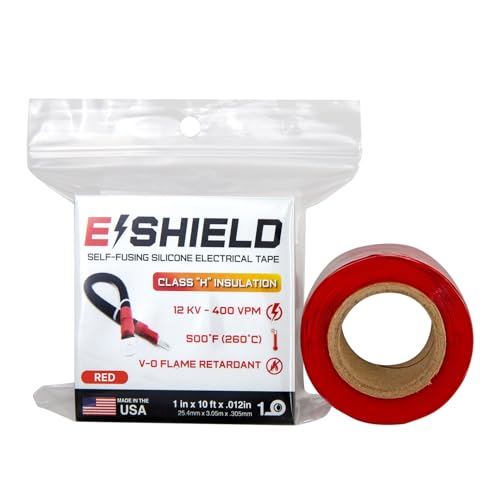
For electrical work, look for a stated insulation figure, a recognized class, or a clearly defined cable application. The 3M Scotch Tape 70 and E/FUSING 112 are the most electrically specialized picks here. 3M describes primary insulation for Class H 180°C applications and high-voltage cable overwrap, while E/FUSING 112 lists 8,000V insulation per wrap, Class H insulation, and arc- and track-resistance language.
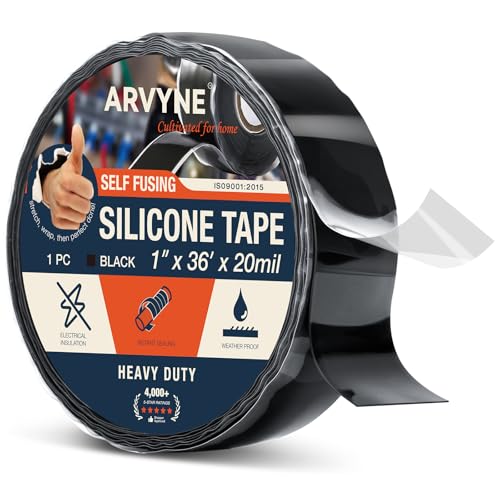
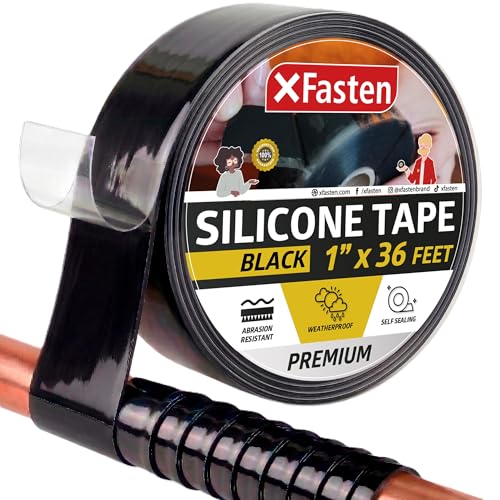
Other products provide useful but differently expressed claims. Super Glue E-Z Fuse lists insulation up to 8,000 volts per unstretched layer. Bond It F4 lists insulation up to 8,000 volts, and arvyne gives an 8,000-volt-per-layer claim. XFasten expresses its figure as 600 volts per mil. These figures are not interchangeable without considering tape thickness, stretch, overlap, and the complete electrical system. For high-voltage or professional installations, match the tape to the cable, voltage, temperature, and applicable code or manufacturer instructions.
Compare temperature ranges carefully
Temperature data is useful when a wrap will be near an engine, motor lead, hot pipe, outdoor equipment, or a cold-weather installation. Several selected products list an upper limit of 500°F, including E/FUSING 112, Bond It F4, X-Treme Tape, Super Glue E-Z Fuse, Bond It E-Shield, XFasten, and Nashua. The lower limits vary. Bond It E-Shield lists -85°F, X-Treme Tape lists -80°F, and arvyne lists -76°F for continuous use.
Do not treat an upper intermittent limit as continuous service unless the listing says so. E/FUSING 112 distinguishes +500°F intermittent exposure from +356°F continuous exposure, while 3M describes Class H 180°C service. Those distinctions matter for equipment that remains hot for long periods. A broad range is helpful, but the correct selection also depends on whether the tape is being used as insulation, an overwrap, or a temporary repair.
Match width and thickness to the connection
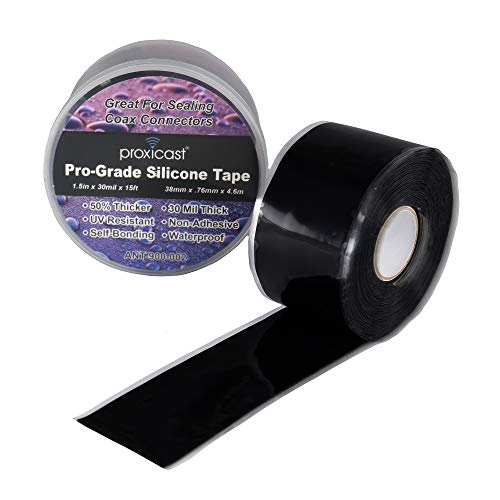
Width affects how quickly a large connector can be covered and how easily the tape fits around small wires. The common 1-inch width is versatile for individual cables and ordinary connection wraps. Proxicast is wider at 1.5 inches and is listed at 30 mil thick, making it a logical choice for antenna coax and larger outdoor connections. Bond It F4 and arvyne use a 20 mil, 1-inch format, while E/FUSING 112 lists 12 mil thickness.
Thickness is not automatically better. A thick tape can add protection and coverage but may be harder to finish neatly around tight terminals. A thinner product can conform more easily, though the listing should provide enough electrical and environmental information for the intended job. Roll length also matters: 36-foot products such as Bond It F4, arvyne, and XFasten make more sense for repeated work, while 10-foot rolls such as X-Treme Tape, Bond It E-Shield, and Nashua are more compact for occasional repairs.
Understand self-fusing application
Self-fusing silicone tape generally does not stick to the cable or fitting like adhesive-backed PVC tape. It must be stretched and wrapped so each layer contacts the next. The listing for X-Treme Tape states stretching up to 300%, while the other products describe stretching, tension, or self-fusion without giving a common application procedure. Follow the specific product instructions rather than assuming every tape requires the same tension or overlap.
A neat wrap should cover the target area evenly, avoid gaps, and finish with the tape bonded to itself. The self-fusing design is especially useful on irregular surfaces, cable bundles, coaxial connections, and emergency repairs. It can also be a drawback if you need a tape that adheres directly to a dusty or smooth surface. In that situation, verify the product’s intended use and surface requirements before application.
Consider outdoor and chemical exposure
For outdoor connections, prioritize the environmental claims that match the site. Proxicast, Super Glue E-Z Fuse, XFasten, and arvyne list combinations of water, weather, UV, saltwater, or chemical resistance. Bond It E-Shield specifically mentions moisture, solvents, acids, salt water, and road salt. Bond It F4 lists oils, fuels, and many chemicals. These details are more useful than a general waterproof label because they identify the exposures the listing addresses.
A seal around an outdoor connection still needs correct preparation and wrapping. Silicone tape is not a substitute for replacing damaged cable, correcting an unsafe connection, or following electrical installation requirements. The broadest-use products can cover plumbing, hoses, marine equipment, and tools, but the presence of those extra applications does not by itself prove suitability for every electrical voltage or installation.
How to use this comparison
Use the ranking as a specification-based starting point. First eliminate products that lack the needed voltage or temperature information. Next compare roll dimensions, thickness, width, and the environmental claims relevant to the job. Finally, review any cited standards or application limitations. The best silicone electrical tape for a high-voltage cable is not necessarily the best compact household repair roll, and a wide outdoor coax wrap may be unnecessary for a small wire.
Final Recommendation
Bond It F4 Emergency Self-Fusing Silicone Tape ranks first overall in this specification-based comparison under the published weighted criteria.
The final choice among the best silicone electrical tape depends on the documented features that match your intended use.
3M Scotch Self-Fusing Silicone Rubber Electrical Tape 70 is the first overall specification-based choice for specialized cable insulation and overwrap. Its Class H 180°C application, conformable silicone construction, high-voltage cable focus, and listed standards give it the most specification-aligned documented electrical position in this group. It is not presented as a universal consumer tape, so choose E/FUSING 112 when flame-resistance language and a broad set of named electrical applications are more important.
For a thicker, longer roll with broader repair utility, Bond It F4 is a strong alternative. XFasten offers a balanced 36-foot format with UL 510 and ISO 9001 references, while Proxicast is better aligned with wide outdoor coax and connector wraps. Super Glue E-Z Fuse, Bond It E-Shield, arvyne, and X-Treme Tape each add useful combinations of temperature, moisture, flexibility, or clean removal evidence. Among these top silicone electrical tape choices, the deciding factors should be the actual voltage, heat exposure, wrap dimensions, and environment rather than a generic claim of strength.
Frequently Asked Questions
What is the best silicone electrical tape for high-voltage cable work?
3M Scotch Self-Fusing Silicone Rubber Electrical Tape 70 is the most specialized selection in this comparison because its listing describes primary insulation and overwrap use for high-voltage cables, Class H 180°C applications, and protection against arcing and tracking. E/FUSING 112 is another strong specification-based option because it lists 8,000V insulation per wrap, Class H insulation, and flame-resistance language. Always verify compatibility with the cable and installation requirements.
Does silicone electrical tape have adhesive?
The selected self-fusing products generally describe a non-adhesive design that bonds to itself under stretch. Bond It E-Shield is explicitly described as adhesive-free and non-sticky, while X-Treme Tape and Nashua describe self-fusing construction without sticky residue. This means application depends on tension, contact between overlapping layers, and the product’s instructions. It is different from ordinary adhesive electrical tape, which sticks directly to the surface.
Is silicone tape suitable for outdoor electrical connections?
Several selected products list outdoor-relevant properties. Proxicast names moisture, dust, corrosion, UV, saltwater, chemicals, and temperature resistance for outdoor antenna coax and electrical connections. XFasten, Super Glue E-Z Fuse, arvyne, and Bond It E-Shield also provide various weather, water, salt, solvent, or chemical claims. Suitability still depends on the cable, voltage, exposure, and correct wrapping. A silicone wrap should not be used to conceal an unsafe or damaged electrical installation.
Should I choose a thicker or wider roll?
Choose width based on the size of the connection and thickness based on the protection and coverage documented for the task. Proxicast’s 1.5-inch width and 30 mil listed thickness suit larger coax or connectors. A 1-inch roll is more versatile for ordinary cables. Thicker tape may require more care around tight terminals, while a shorter roll can be enough for occasional repairs. Compare the complete format rather than selecting by thickness alone.
Are these products tested hands-on?
No. This is a specification-based comparison using supplied public listing data. It does not report hands-on tests, customer opinions, performance measurements conducted by the editor, or independent verification of marketplace claims. Treat voltage, temperature, pressure, standards, and environmental figures as listing information and confirm the manufacturer’s instructions before use.