Buying Guide
Choosing the best softball mitts starts with the type of softball you play, your position, and the way the glove fits your hand. A fastpitch infielder generally needs a more compact pattern than a slowpitch outfielder, while a catcher needs a dedicated mitt rather than a conventional fielding glove. The products above were compared from their supplied listing features and specifications; they were not physically tested.
Match the glove to the game
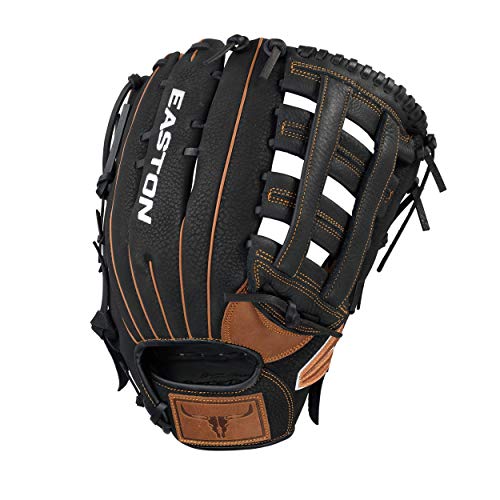
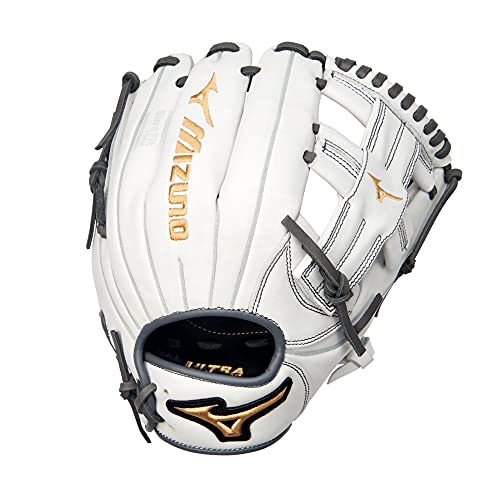
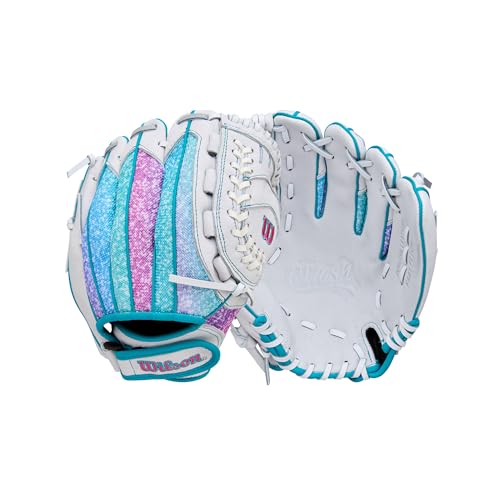
Fastpitch models in this comparison include the Easton GHOST NX, Mizuno MVP Prime, Wilson A500 Siren, Wilson A440 Flash, and Rawlings Shut Out Series. These listings explicitly identify fastpitch use or a fastpitch position. The Easton GHOST NX is a 12.5-inch utility pattern, while the Mizuno MVP Prime is an 11.5-inch infield T web. Wilson’s A500 is a 12-inch infield/pitcher model, and the A440 is an 11-inch infield glove. Those sizes show why position and player size should be considered together rather than choosing by brand alone.
Slowpitch gloves typically use larger patterns for the slower ball and broad field coverage. The Easton Tantrum is a 13.5-inch slowpitch model, the Mizuno GPM1305 is 13 inches, and the Rawlings RSB and Easton Prime are both 14 inches. The Rawlings RSB is described as a utility glove for adult slowpitch players, while the Easton Prime is an outfield model with a wider heel and deeper pocket. The larger options may suit outfield coverage, but they can feel less agile for an infielder or a player with smaller hands.
Choose size and web by position
An 11- to 12-inch pattern is generally the more position-focused part of this selection because the supplied listings identify those gloves for infield or pitcher use. The Wilson A440 is the smallest selected fastpitch option at 11 inches, and its listing emphasizes easy closure for new players. The Mizuno MVP Prime’s 11.5-inch T web is similarly targeted to fastpitch infield play.
The 12- to 12.5-inch range provides a middle ground. Wilson’s A500 combines a 12-inch size with infield/pitcher positioning, while the Easton GHOST NX uses a 12.5-inch utility designation. These patterns may make sense for players who want more receiving area without moving to a large outfield glove.
For slowpitch, the 13- to 14-inch models provide more coverage. Web style also matters: basket, H, Pro H, and Dual Bar H webs appear in the selected products. A web description alone does not establish that one design is universally superior, so use it alongside the listed size, position, and pocket description.
Consider leather, mesh, and structural features
Leather descriptions vary across the selection. The Easton GHOST NX lists Diamond Pro Steer USA leather, the Mizuno MVP Prime uses Bio Soft leather, and the Rawlings PLAYER PREFERRED specifies a full-grain oiled leather shell. The slowpitch models include cowhide, full-grain leather, pigskin back, and oil-tanned leather constructions. These details can help distinguish the material profile, but the listing evidence does not justify claiming a specific lifespan or game performance result.
The Wilson A440 includes lightweight mesh backing, and the A500 uses top-grain leather. Mesh may appeal to players who prioritize a lighter, more breathable construction, while leather-focused designs may appeal to buyers who prefer traditional shell materials. The listings do not provide directly comparable total weights for every selected model, so avoid treating one material as automatically lighter or more durable.
Rolled or dual welting appears on several gloves. Easton says rolled leather welting helps maintain shape and shorten break-in on the GHOST NX, while Wilson describes rolled dual welting as supporting shape retention on the A500 and A440. These are useful construction clues, but they should not be read as a guarantee of long-term shape.
Check break-in and pocket readiness
Break-in information is one of the most practical differences in the pool. Rawlings lists 80% factory break-in for the PLAYER PREFERRED and 90% factory break-in for the RSB. The Easton Tantrum lists an 80% factory and 20% player split, while the Wilson A440 is described as game ready. These statements suggest less initial work than an unspecified glove, but they do not replace checking whether the pocket and closure feel right for the individual player.
The Easton GHOST NX includes a Flex Notch Closure described as making the glove easy to squeeze. The Wilson A440 also emphasizes easy closure, which may be helpful for beginners. By contrast, gloves without a stated break-in percentage should be evaluated from their material and construction descriptions rather than assumed to arrive ready for play.
Fit the wrist and protect the hand
Adjustability is documented across many of these gloves. The GHOST NX has an adjustable back, the A500 uses a Quick-Fit Wrist, and the Rawlings PLAYER PREFERRED includes an adjustable wrist strap. The Easton Tantrum uses an adjustable pull-strap back, while the RSB uses a Neo-Flex back and Velcro strap. A secure closure can help tailor the glove to the hand, but the supplied data cannot confirm how any individual player will experience the fit.
Padding is another meaningful specification. The Mizuno MVP Prime lists a Parashock Plus Palm Pad, the Rawlings PLAYER PREFERRED includes Zero Shock palm padding, and the Rawlings Shut Out catcher’s mitt includes Zero Shock palm padding as well. For catcher-specific needs, the Shut Out Series is the selected design with a 31.5-inch catcher size and fastpitch positioning.
Verify throwing hand before ordering
The listings use right-hand throw and left-hand throw terminology. A right-hand-throw glove is worn on the left hand, while a left-hand-throw glove is worn on the right hand. The selected products are not all offered in the same orientation, so verify the intended throwing hand rather than assuming the player’s dominant hand tells you which glove to select. Size, position, and closure adjustment still need to be checked after orientation.
Final recommendation
Rawlings RSB 14-inch Slowpitch Softball Glove ranks first overall in this specification-based comparison under the published weighted criteria.
The Easton GHOST NX Fastpitch Glove is the first overall specification-based choice among these best softball mitts because it combines a fastpitch-specific pattern, 12.5-inch utility coverage, steer leather, an easy-squeeze closure, adjustable fit, and rolled welting. The Mizuno MVP Prime is a strong alternative for a more position-focused 11.5-inch infield pattern with documented pocket and palm-pad details.
For youth fastpitch, the Wilson A440 emphasizes easy closure and a game-ready pocket, while the Wilson A500 adds a 12-inch infield/pitcher pattern and top-grain leather. For slowpitch, the Easton Tantrum, Rawlings RSB, and Easton Prime are among the top softball mitts when larger sizes and slowpitch-specific patterns are the priority. The Rawlings Shut Out Series should be chosen when the player is a fastpitch catcher, since its catcher construction is not a substitute for a standard fielding glove.
Frequently Asked Questions
What should I look for when choosing the best softball mitts?
Start with softball type, position, size, throwing hand, and fit. Fastpitch infielders may prefer the 11- to 12-inch patterns documented on the Mizuno MVP Prime, Wilson A440, and Wilson A500. Slowpitch outfield or utility players may prefer the 13- to 14-inch patterns on the Easton Tantrum, Rawlings RSB, or Easton Prime. Then compare closure, break-in, padding, and material details.
Is a 14-inch glove too large for softball?
Not necessarily. The Rawlings RSB and Easton Prime are both documented as 14-inch softball gloves, with the RSB positioned for adult slowpitch utility play and the Prime specified for slowpitch outfield use. However, the larger pattern may feel cumbersome for a smaller player or an infielder. Position, hand size, and personal handling preference should guide the decision.
Do I need a catcher’s mitt for fastpitch catching?
A catcher-specific design is appropriate for the catcher position. The Rawlings Shut Out Series is listed as a 31.5-inch fastpitch catcher’s mitt for athletes ages 8–14 and developing high school players. Standard gloves such as the Easton GHOST NX or Wilson A500 are fielding models, so they should not be treated as equivalent catcher equipment.
What does factory break-in mean on these gloves?
It describes how much preparation the listing says is completed before the glove reaches the player. The Rawlings RSB lists 90% factory and 10% player break-in, while the Rawlings PLAYER PREFERRED lists 80% factory break-in. Easton’s Tantrum lists an 80/20 split. These figures are product specifications, not a guarantee of how the glove will feel in a particular hand.
How do right-hand-throw and left-hand-throw labels work?
A right-hand-throw glove is worn on the left hand so the player throws with the right hand. A left-hand-throw glove is worn on the right hand. Confirm this detail before ordering, especially when comparing listings that show different orientations.