Buying Guide
The best touch-control over-ear headphones are not all built the same way. Some are conventional headphones with padded earcups that surround the ears; others use “over-ear” language for open-ear buds or earhook designs that sit around the outer ear. That distinction affects isolation, awareness of surroundings, comfort, and suitability for exercise. This guide uses only the supplied listing evidence, so it does not claim hands-on sound quality or verify how responsive any control feels in practice.
Decide which over-ear design you need
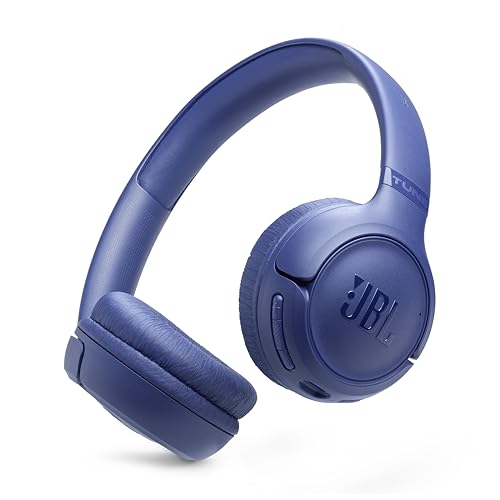
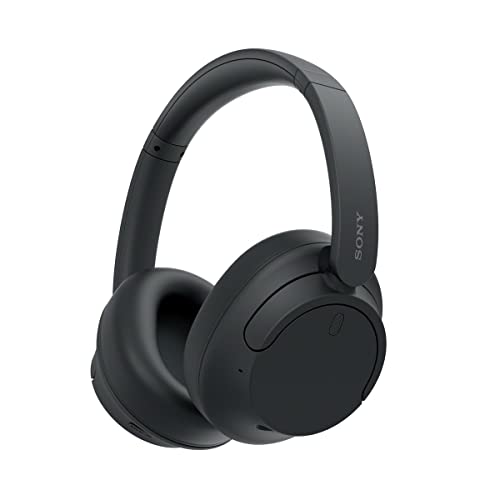
Traditional over-ear models such as the Sony WH-1000XM5, PHILIPS H8506, Picun B8, and CEEK Wireless Bluetooth Headphones use earcups and headbands. These are the better fit for buyers who want a more enclosed listening experience, travel-focused noise control, or a familiar headset shape. Sony lists a lightweight design, Philips describes foldable earcups, Picun provides a foldable headband design, and CEEK identifies a foldable over-ear format.
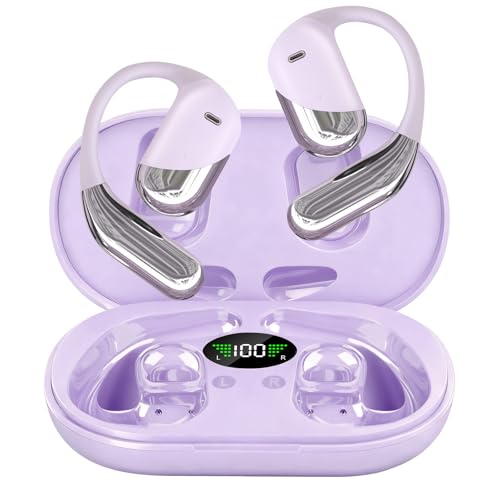
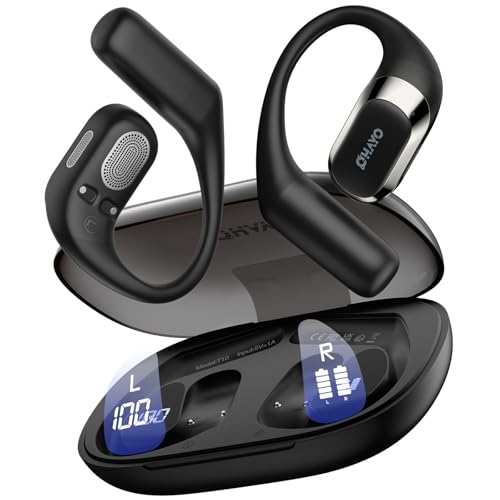
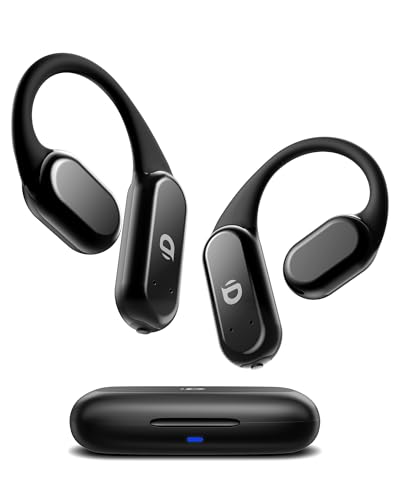
Open-ear examples take a different approach. Aurotlu Q16-H3, OHAYO T10, Monster AC311, MKKLTUOP Q26, and Kurdene Sport Over-Ear Buds use earhook or open-ear designs. Their listings describe awareness of surrounding sounds, which can be useful for walking, cycling, and workouts. An open design may allow more outside sound into the listening experience than a sealed earcup, so choose it when awareness and a lighter fit matter more than maximum isolation.
Check what touch control actually covers
Touch control can mean a single tap for answering calls or play/pause, or a broader gesture system. Sony lists pause, play, track skipping, volume, voice assistant, and calls. CEEK specifies swipes or taps for volume, tracks, and media. Picun identifies unique touch control, while Gankoii documents tapping for calls and playback. Aurotlu, OHAYO, Monster, MKKLTUOP, and Kurdene also identify touch operation for music or calls.
These descriptions are more useful than a title that merely says “smart control.” If touch operation is important, prioritize products whose listing states the control functions directly. Also check whether the controls operate volume, tracks, calls, or only a limited set of actions. The supplied evidence does not establish how responsive any touch surface feels in practice.
Match noise control to your environment
For flights, trains, offices, and other noisy settings, documented ANC is an important differentiator. Sony lists adaptive noise cancellation with two processors and eight microphones, while Philips identifies advanced noise cancellation. The selected open-ear products emphasize awareness rather than ANC, and their supplied evidence does not describe sealed noise isolation.
Open-ear models are better considered when you need environmental awareness. Aurotlu, OHAYO, Monster, MKKLTUOP, and Kurdene describe open-ear or earhook construction. These products should not be treated as equivalent to an ANC over-ear headset. The choice is about whether you want to reduce outside sound or keep more of it present.
Compare battery claims carefully
Battery figures are not always measured in the same way. Philips states up to 60 hours, reduced to 45 hours with ANC. Picun states more than 120 hours after a full charge, while Gankoii lists about 60 hours. The Aurotlu, OHAYO, Monster, MKKLTUOP, and Kurdene figures include charging-case capacity, and their listings also provide lower continuous-use details or related case information. Sony lists up to 30 hours, while CEEK does not provide a battery figure in the supplied evidence.
For a traditional headset, compare the figure with and without ANC and look for fast charging or a wired fallback. Philips, Sony, Picun, and CEEK list wired-use options or cables in their supplied evidence. For open-ear earbuds, separate single-charge endurance from case-assisted total playtime. A large total number does not mean the earbuds will operate continuously for that entire period without returning to the case.
Consider calls and device switching
Multipoint or two-device support is useful for moving between a phone and computer. Sony, Philips, and Gankoii document multipoint or two-device functionality. Gankoii also lists ENC calling, while Sony specifies four beamforming microphones. CEEK takes a different route with a detachable omnidirectional microphone, making it more relevant to gaming or voice chat.
The open-ear models list built-in microphones or clear-call features, and Monster specifically identifies ENC for calls. Bluetooth versions can describe connection generation, but they do not by themselves prove better sound or call quality. Treat microphone and switching details as separate buying factors rather than assuming one specification guarantees call performance.
Look at portability and protection
Foldable designs help reduce storage demands. Gankoii, Philips, Picun, and CEEK explicitly describe folding or foldable construction, and Sony includes a carry case. Open-ear options use a charging case, with Aurotlu, OHAYO, Monster, MKKLTUOP, and Kurdene providing case-based designs. Gankoii is listed at 5.7 ounces, while Aurotlu and Kurdene are listed as lightweight designs in their supplied descriptions.
For exercise, protection ratings provide clearer evidence than general “sport” wording. Aurotlu and MKKLTUOP list IPX7 protection, OHAYO lists IPX6, and Monster lists IPX5. The traditional over-ear models in this selection do not list an IP rating in the supplied evidence. Keep sweat, rain, and storage conditions in mind before choosing a headset for outdoor use.
Final Recommendation
Sony WH-1000XM5 ranks first overall in this specification-based comparison under the published weighted criteria.
The final choice among the best touch-control over-ear headphones depends on the documented features that match your intended use. Sony combines confirmed touch controls, adaptive noise cancellation, multipoint connection, clear-call microphone hardware, a lightweight design, and a carry case. Philips H8506 is the endurance-oriented alternative, while Picun B8 suits listeners who want an especially long stated battery figure and foldable construction.
Among the top touch-control over-ear headphones, Gankoii and CEEK are practical choices for buyers who want conventional headset designs with documented touch operation. CEEK adds a detachable microphone and wired compatibility for gaming or voice chat. Aurotlu, OHAYO, Monster, MKKLTUOP, and Kurdene are better matched to active listeners who prefer open-ear awareness and earhook stability. Before buying, confirm whether you want sealed earcups or open earbuds, then compare the stated battery conditions rather than relying on a single headline number.
Frequently Asked Questions
Are the best touch-control over-ear headphones always traditional headphones?
No. In this comparison, traditional models use padded earcups and headbands, while Aurotlu Q16-H3, OHAYO T10, Monster AC311, MKKLTUOP Q26, and Kurdene Sport Over-Ear Buds use open-ear or earhook designs. Open-ear products may help preserve awareness of surrounding sounds, but they may not provide the same isolation as sealed earcups. Check the physical design and not just the “over-ear” wording in a title.
Which selected model has the longest stated battery life?
Picun B8 lists more than 120 hours of music time after a full charge. That is a headline specification and should be compared with the listening conditions and charging time provided by the seller. Aurotlu, OHAYO, Monster, MKKLTUOP, and Kurdene list case-assisted playtime, while Philips separates its ANC and non-ANC figures. These numbers are useful for comparison but are not identical measurements.
Which products document the widest touch-control coverage?
Sony lists playback, track, volume, voice assistant, and call controls. CEEK identifies swipe or tap actions for volume, track, and media control. Kurdene lists music, call, volume, and voice-assistant functions. The other selected products confirm touch operation but provide less detail about the full control set.
Which design is better for workouts?
Open-ear earhook models are the clearest workout-oriented choices in the supplied evidence. Aurotlu and MKKLTUOP list IPX7 protection, OHAYO lists IPX6, and Monster lists IPX5. Kurdene describes silicone ear hooks and a secure fit for active use. Traditional over-ear headphones can work for general activity, but their provided specifications do not document comparable water protection.
What should I prioritize for travel?
Look for ANC, battery endurance, multipoint connection, foldability, and a case or wired fallback. Sony offers adaptive ANC, multipoint, and a carry case. Philips adds long stated endurance and foldable earcups, while Picun provides a foldable design, very long stated battery life, and a 3.5mm cable. The best choice depends on whether isolation, battery length, or portability matters most.