Buying Guide
Selecting the best suzuki boat propellers is mainly a fitment exercise. A propeller is not interchangeable simply because the engine horsepower appears similar. Start with the engine model, horsepower, gearcase size, spline count, rotation, diameter, pitch, and replacement part number. The selected listings cover several different Suzuki applications, so the right choice depends on which specification matches your existing setup.
Confirm the Suzuki application
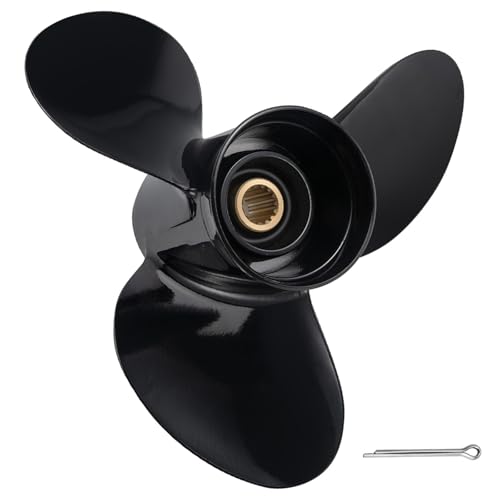
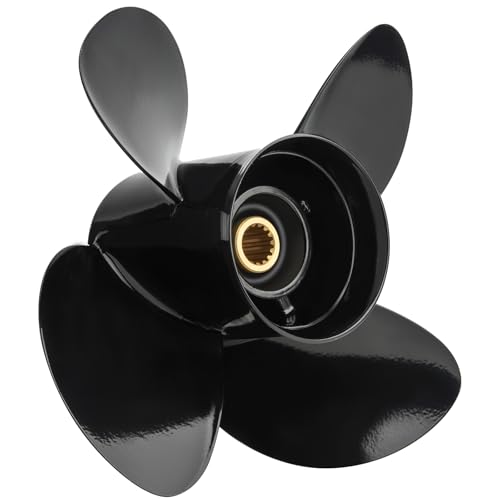
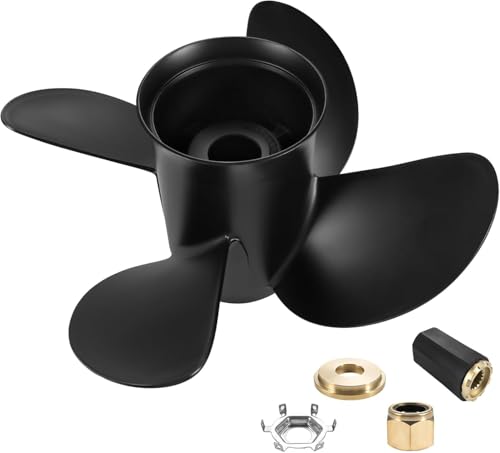
The 50–140 HP group includes the PropelTech 14 x 19 Aluminum Propeller, PropelTech 14 x 21 Aluminum Propeller, PropelTech 14 x 17 Four-Blade Aluminum Propeller, and PWCMAN 13.8 x 13 Four-Blade Propeller. Their listings generally specify a 15-spline hub and a 4-1/4-inch gearcase, but the pitch and blade count differ. Confirm the exact DF model and compare the current propeller before ordering.
The larger-engine group is separate. The PropelTech 16 x 17 Aluminum Propeller, PropelTech 16 x 18 1/2 Aluminum Propeller, PropelTech 16 x 21 1/2 Aluminum Propeller, PropelTech 16 x 20 Aluminum Propeller, YOUNG PROPS 16 x 18 1/2 Stainless Propeller, and QIKIRUO 15 1/4 x 19 Stainless Propeller are listed for Suzuki engines in the 150–300 HP range. Most specify a 4-3/4-inch gearcase and 15-tooth spline hub. Do not use the horsepower range alone as proof of compatibility.
Understand diameter and pitch
Diameter is the propeller’s overall width, while pitch describes the theoretical forward travel in one revolution under stated conditions. In this selection, smaller-engine options range from a 13-inch pitch to a 21-inch pitch. The larger-engine options range from 17 inches to 21.5 inches. A change in pitch can alter the engine’s operating load, so replacing a propeller should normally begin with the original diameter and pitch unless a qualified marine professional recommends a change.
The 14 x 19 configuration is a useful middle specification for the selected 50–140 HP products, while the 14 x 21 version targets a higher-pitch setup. The four-blade 14 x 17 and 13.8 x 13 designs provide different blade and pitch combinations rather than automatically better performance. The evidence supplied does not include boat-specific testing, so acceleration, top speed, and fuel use should not be assumed from dimensions alone.
Compare three-blade and four-blade designs
Most selected propellers use three blades. That design is represented across both aluminum and stainless-steel options and provides a broad basis for matching an existing propeller. The PropelTech 14 x 17 Four-Blade Aluminum Propeller and PWCMAN 13.8 x 13 Four-Blade Propeller are the exceptions in the final group. PWCMAN describes its design as high-rake and presents it as a thrust-oriented configuration, but those performance statements come from the listing and are not independent test findings.
A four-blade propeller may be appropriate when its dimensions and application match the boat and engine, but blade count should not be considered in isolation. Check pitch, diameter, gearcase, and spline details together. The same caution applies when moving between the 16-inch three-blade large-engine options and the QIKIRUO’s 15.25-inch diameter.
Choose aluminum or stainless steel
Aluminum is the dominant material in this comparison. The selected aluminum listings describe marine-grade or high-quality aluminum, black powder coating, and corrosion-resistance features. Aluminum can be a practical replacement material when the specifications match, but the supplied evidence does not establish comparative impact life or performance against stainless steel.
Stainless steel is represented by the YOUNG PROPS 16 x 18 1/2 Stainless Propeller and QIKIRUO 15 1/4 x 19 Stainless Propeller. YOUNG PROPS describes a polished marine-grade stainless construction and saltwater resistance. QIKIRUO describes duplex stainless steel and a composite-material hub. These details make both useful material alternatives, though stainless construction may involve a different cost and should still be checked against the boat manufacturer’s requirements.
Check hub, rotation, and replacement numbers
The selected listings commonly identify right-hand rotation and 15 spline teeth, but that does not make them universal replacements. A mismatch in spline count or gearcase can prevent installation. Several products provide OEM reference numbers, including 58100-90J11-019 for the PropelTech 14 x 19, 58100-90J21-019 for the PropelTech 14 x 21, and 99105-00800-20P for the PropelTech 16 x 20. Use these numbers as cross-checks, not as a substitute for confirming the complete motor application.
Also inspect the existing propeller for diameter and pitch markings. If those markings are missing, consult the Suzuki manual or a marine dealer with the engine model and serial information. A listing’s broad compatibility language can still require additional verification for a particular year, gearcase, or boat setup.
Review manufacturing and support details
Several selected products describe CNC processing, heat treatment, dynamic balancing, or multiple finishing steps. PropelTech’s listings also state black powder coating on many aluminum models. These are useful documented features, but they are not independent laboratory or on-water test results. The listings provide limited warranties or return provisions that vary by product, so read the applicable terms before purchase.
Final Recommendation
PropelTech 14 x 19 Aluminum Propeller ranks first overall in this specification-based comparison under the published weighted criteria.
The PropelTech 14 x 19 Aluminum Propeller is the first overall specification-based choice among these best suzuki boat propellers because it combines detailed 50–140 HP fitment, a middle 19-inch pitch, 15-spline identification, and documented manufacturing details. It is still essential to verify the motor model, gearcase, and original propeller dimensions.
For a higher-pitch 50–140 HP application, consider the PropelTech 14 x 21 Aluminum Propeller. For a four-blade format, the PropelTech 14 x 17 Four-Blade Aluminum Propeller and PWCMAN 13.8 x 13 Four-Blade Propeller provide clearly different specifications. Owners of Suzuki 150–300 HP engines can compare the PropelTech 16-inch aluminum range by pitch, or choose the YOUNG PROPS and QIKIRUO stainless alternatives when their dimensions and hub details match.
These top suzuki boat propellers are best treated as specification-matching candidates, not universal upgrades. Confirm every critical measurement before installation.
Frequently Asked Questions
What should I check first when choosing the best suzuki boat propellers?
Check the Suzuki engine model and horsepower, gearcase size, spline count, rotation, diameter, pitch, and OEM or replacement part number. The selected listings show why these details matter: several products share a 15-spline hub yet differ in pitch, blade count, diameter, or horsepower range.
Are the four-blade options automatically better than three-blade propellers?
No. The four-blade products in this comparison have distinct specifications, including 14 x 17 and 13.8 x 13 configurations, but the evidence does not prove a universal performance advantage. Match the blade design and pitch to the existing application rather than choosing by blade count alone.
Which selected products fit Suzuki 150–300 HP engines?
The PropelTech 16 x 17, 16 x 18 1/2, 16 x 20, and 16 x 21 1/2 aluminum propellers are listed for that range. The YOUNG PROPS 16 x 18 1/2 and QIKIRUO 15 1/4 x 19 stainless propellers are also listed for Suzuki 150–300 HP applications. Confirm gearcase and hub specifications before ordering.
Is stainless steel preferable to aluminum?
The supplied evidence supports stainless steel as a material alternative, not as a universal recommendation. YOUNG PROPS describes marine-grade stainless steel, while QIKIRUO describes duplex stainless steel. The aluminum products describe marine-grade aluminum and protective coatings. Select the material only after confirming fitment and the intended boating environment.
Can I change propeller pitch without checking the motor setup?
You should not assume that a different pitch is suitable. The selected products range from 13 to 21.5 inches, and the listings do not provide boat-specific testing or engine operating results. Compare the current propeller and consult the Suzuki manual or a qualified marine professional before changing pitch.