Buying Guide
Choosing the best textured card stock is less about brand and more about matching specifications to your printer and project type. Surface texture, weight, sheet format, and sheet count all interact, and a small change in any one of them can change how a card stock behaves under ink, scoring, and cutting. This guide walks through the key specification areas to consider before you commit to a pack, drawing on the top textured card stock options compared above.
Texture Type and Surface Consistency
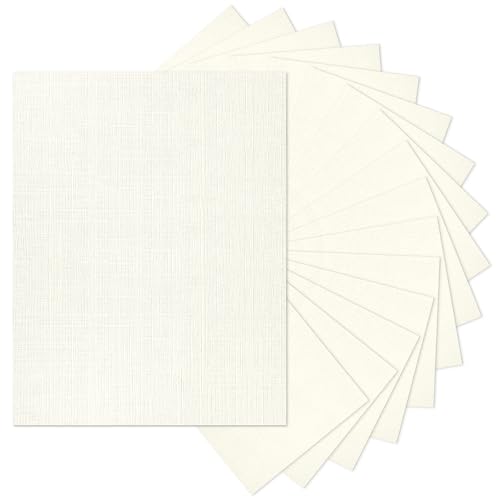
The defining trait of the best textured card stock is the surface itself. Linen finishes use a woven-look embossing that mimics fabric, parchment finishes add subtle flecks for a heritage feel, and general textured cardstock may use a fine stipple or felt-style pattern. Consistency matters as much as pattern: look for sheets that describe the texture as present on both sides and through the core, so that cut edges and folds keep a uniform look. The COLOANDUS Linen, Goefun Ivory Linen, and Astrobrights Parchment options all emphasize solid-core or dyed-through construction that prevents a white edge from appearing after trimming.
Paper Weight and Stiffness
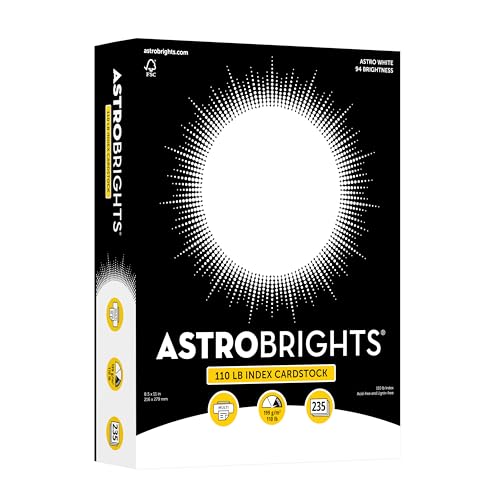
Card stock weight is typically listed in lb cover or gsm, and heavier numbers mean stiffer sheets. The best textured card stock options in this comparison cluster between 65 lb and 90 lb cover. For invitations, card tops, and brochure covers, 80 lb cover (around 216 gsm) is a flexible benchmark, while 85 lb to 90 lb cover suits projects where stiffness is essential. Lighter parchment options, such as the Astrobrights Specialty Parchment at 65 lb cover, work well for certificates and flyers but may feel thin for heavy embossing.
Most textured card stock picks come in 8.5 x 11 inch Letter format because that size fits the largest range of home and office printers. The Hamilco Green Linen 11 x 17 tabloid option opens up posters, booklets, and large invitation layouts, while the gocreate 6 x 6 and vidabita 12 x 12 sheets match Cricut cutting mats and standard scrapbook pages. Choose the format that matches both your printer tray and your final project, since mismatched sizes often require trimming or special paper handling.
Printer Compatibility
Heavier textured card stocks need printers that can feed thick stock without jamming. Most 80 lb cover sheets run in modern inkjet and laser printers, but always check your printer’s maximum supported paper weight before printing. The Goefun Tan Parchment at 90 lb cover and the vidabita 85 lb cover sheet are examples where printer settings for heavy cardstock may be required. Smooth-finish sheets such as the Aidunmis Cream Cardstock tend to feed more easily through standard trays.
Sheet Count per Pack
Sheet count affects how far a pack will stretch. The 100-sheet packs from COLOANDUS, Goefun Ivory, and Goefun Tan Parchment cover larger invitation runs and classroom projects. The 50-sheet Hamilco Burgundy Linen pack and 25-sheet Hamilco Green Linen 11 x 17 pack fit more specialized or color-driven jobs, while the smaller 40-sheet Aidunmis pack suits one-off DIY cards. For ongoing craft use, higher sheet counts reduce the need to reorder.
Finish Durability and Cut Behavior
A good textured card stock should cut cleanly, fold without cracking, and accept ink without heavy bleed. Solid-core and dyed-through sheets, like the Astrobrights Specialty Parchment and the gocreate colored linen set, help avoid white edges after cutting. Linen finishes generally score well, but heavier 85 lb and 90 lb sheets may require a proper scoring tool for sharp folds rather than a simple crease.
Color Range and Shade Options
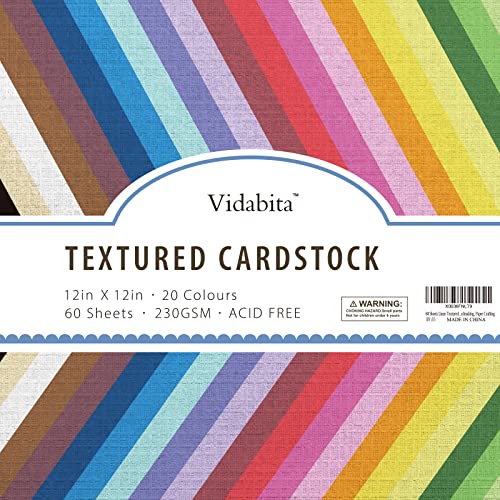
White and cream remain the most flexible choices for invitations and stationery, while colored cardstock opens up scrapbook layouts, party decor, and classroom projects. The Uncle Paul 30-Color Textured Cardstock and vidabita 12 x 12 Colored Linen pack provide the broadest color variety in this comparison, while single-color packs such as Hamilco Burgundy Linen or Hamilco Green Linen deliver a focused shade for themed projects. Pick a palette based on whether your work needs flexibility or a strong single statement.
Final recommendation
COLOANDUS Linen Textured Cardstock White ranks first overall in this specification-based comparison under the published weighted criteria.
The final choice among the best textured card stock depends on the documented features that match your intended use.
After weighing texture quality, paper weight, sheet format, and printer compatibility, the COLOANDUS Linen Textured Cardstock White stands out as the first overall specification-based choice. Its double-sided linen pattern, 80 lb cover weight, and 100-sheet Letter format make it the most balanced pick across the criteria, and it works for the widest mix of invitations, scrapbook pages, and craft projects. Among the top textured card stock options, it offers the most specification-aligned combination of texture quality, sheet size, and pack value. If you want color variety, the vidabita 12 x 12 Colored Linen pack and Uncle Paul 30-Color Textured Cardstock are the next logical steps for craft-focused work, while the Goefun Tan Parchment is the choice for projects that need a heavier, rustic finish.
Frequently Asked Questions
Among the best textured card stock, what weight of textured card stock is best for invitations?
An 80 lb cover weight is the most popular benchmark for invitations, offering enough stiffness to feel substantial while still feeding through most home printers. Heavier 85 lb to 90 lb covers work for luxury or formal invitations but may require printer adjustments.
Can a home printer handle textured card stock?
Most modern inkjet and laser printers can handle 80 lb cover textured card stock, especially linen and parchment sheets in 8.5 x 11 inch format. Always confirm your printer’s maximum supported paper weight before printing, and use the heavy cardstock setting when available.
Is linen or parchment texture better for wedding invitations?
Linen texture gives a clean, fabric-like pattern that works for modern and traditional weddings, while parchment texture adds flecks and a heritage feel suited to rustic or vintage themes. The COLOANDUS Linen and Goefun Ivory Linen options favor linen, and the Goefun Tan Parchment suits parchment styles.
What size textured card stock should I buy for scrapbooking?
12 x 12 inch sheets match standard scrapbook pages and die-cutting mats, making them the most convenient size. The vidabita 12 x 12 Colored Linen pack fits this need, while 6 x 6 sheets like the gocreate colored linen set work well for smaller embellishments and card toppers.
How many sheets of textured card stock do I need for a project?
A 100-sheet pack is a good starting point for invitations or large craft runs because it covers multiple iterations and mistakes. Smaller packs of 25 to 50 sheets are reasonable for single-event decor or color-focused projects where you already know the exact quantity required.