Buying Guide
Touch controls are useful when you want to pause audio, change tracks, answer a call, or reach a voice assistant without handling a phone. The best touch-control earbuds are not necessarily the ones with the longest battery claim. A better comparison starts with what the controls can do, how the earbuds fit, and whether the rest of the hardware supports your routine.
Start with the wearing style
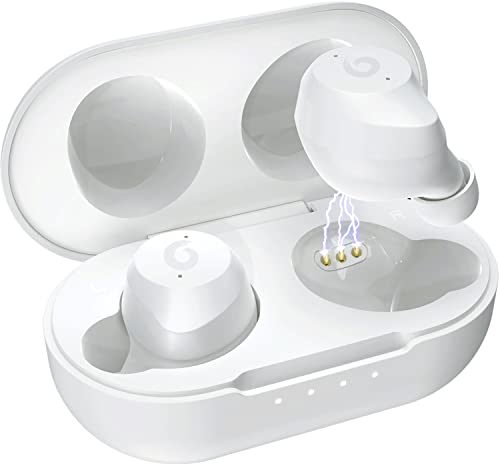
The selected products fall into two broad designs. Conventional in-ear models such as the ATHONGL W11, Xiaomi Redmi Buds 6 Play, Lenovo E310, Hikapa X9, jaddsa T18, MIPOW Miffy Earbuds-Pro, and HTC Earbuds 7 use an earbud shape intended to sit in or around the ear canal. Several list silicone tips or multiple tip sizes, which can help users adjust the fit, but the supplied evidence does not establish how any model will fit a particular person.
Open-ear options sit outside the canal. HAKII uses a clip-on format, while POHPYU uses an open-ear swivel design. These designs are documented as keeping users aware of surrounding sound. That can suit walking, commuting, cycling, or office use, but an open structure may not provide the same passive isolation as an in-ear seal. Choose the style based on whether awareness or isolation is more important.
Check what the touch panel controls
A listing that merely says “touch control” does not always explain the available gestures. Hikapa X9 provides the clearest control description here: the listing identifies single taps, double taps, and long presses for playback, tracks, volume, and calls. MIPOW documents music, call, and voice-assistant functions. ATHONGL, Lenovo, Xiaomi, HAKII, POHPYU, HTC, and jaddsa also document touch operation, but the supplied descriptions provide fewer gesture details.
Touch sensitivity is also a design trade-off. A broad control surface may be convenient, while accidental touches can be a concern when adjusting an earbud. The evidence supplied does not include independent testing of missed or accidental commands, so treat control quality as a specification-based comparison rather than a confirmed performance result.
Match audio and call hardware to your use
Driver size is one documented point of comparison, not a guarantee of sound quality. POHPYU lists 14.2mm dual drivers, Lenovo lists 13mm drivers, jaddsa lists a 13.2mm speaker, ATHONGL lists 13mm drivers, and HAKII lists 12mm drivers. Xiaomi uses a 10mm dynamic driver, while HTC lists a 10mm driver in its product title. Samsung emphasizes ANC and ambient sound, and its three microphones and noise-reduction technology are useful evidence for call-focused buyers.
For calls, look for explicit microphone or noise-processing information. ATHONGL lists ENC, Samsung lists three microphones, Lenovo lists AI or environmental noise cancellation, HAKII lists ENC, and Hikapa lists ENC. Other products may still support calls, but their supplied descriptions do not provide the same level of detail.
Battery claims vary considerably. ATHONGL lists up to 100 hours with the case, POHPYU lists up to 60 hours, jaddsa lists up to 48 hours, Hikapa lists up to 48 additional case hours, and Xiaomi lists up to 36 hours. HTC lists up to 22 hours, while Lenovo lists up to 20 hours. These figures are not directly comparable test results because the listings may use different conditions and definitions.
For long trips, prioritize a substantial case battery and a charging port you already use. Lenovo, MIPOW, jaddsa, and POHPYU document USB-C charging. MIPOW also lists fast case charging. A longer total figure can reduce charging frequency, but it may come with a larger case or less detail about real-world listening conditions; the supplied data does not establish case size or tested endurance.
Use protection ratings carefully
IP ratings provide a more useful comparison than generic “waterproof” language. jaddsa lists IPX7, while ATHONGL lists IPX6. POHPYU and MIPOW list IPX5, HAKII lists IPX5, and Lenovo and HTC list IPX4. Xiaomi and Samsung do not provide an IP rating in the supplied evidence. A rating can help compare resistance to water exposure, but it does not make earbuds suitable for every environment, and the listings do not provide independent durability testing.
For workouts, also consider fit. HAKII’s clip-on structure, Hikapa’s curved in-ear design, HTC’s included tip sizes, and ATHONGL’s S/M/L tips all offer documented fit-related features. They do not guarantee that an earbud will remain secure for every user or activity.
Compare connectivity and special functions
Bluetooth versions range from 5.3 to 6.0 in this selection. ATHONGL lists Bluetooth 5.4 and a low-latency claim, HTC lists a 45ms game mode, and POHPYU lists Bluetooth 6.0. These details may appeal to gamers or users who want current wireless hardware, but version numbers alone do not establish connection quality in every setting.
Additional functions can also influence the decision. HAKII documents app-based EQ, multi-device switching, and Find My Earbuds. Xiaomi lists five EQ presets. Samsung provides ANC and ambient sound modes. Lenovo emphasizes USB-C and AI call noise reduction. Select features you will actually use instead of assuming that a longer feature list means a better personal match.
Final Recommendation
ATHONGL W11 Wireless Earbuds ranks first overall in this specification-based comparison under the published weighted criteria.
Among the top touch-control earbuds, the ranked products differ under documented touch-control capability, audio and call hardware, battery and charging, fit and wearability, and connectivity and protection. ATHONGL W11 is the first overall specification-based choice among these best touch-control earbuds because its listing combines touch operation, strong battery claims, detailed audio and call hardware, multiple ear tips, Bluetooth 5.4, and IPX6 protection. Samsung Galaxy Buds2 is a suitable documented fit for ANC and ambient sound, while HAKII is a strong open-ear choice for awareness and clip security.
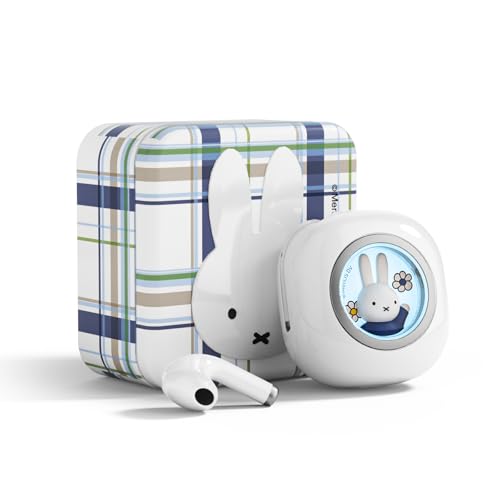
For extended open-ear playback, POHPYU is worth considering. For a high protection rating, jaddsa T18 provides IPX7. Runners may prefer Hikapa X9’s detailed gestures and curved in-ear design. Lenovo is a balanced USB-C option, Xiaomi is notably lightweight, MIPOW adds a distinctive case and clear touch functions, and HTC targets gaming with a documented low-latency mode.
These are specification-based recommendations, not hands-on test results. Before buying, confirm the current listing, included accessories, warranty terms, and compatibility with your device. The best choice depends on whether your priority is sealed fit, ambient awareness, ANC, water resistance, battery capacity, or gaming latency.
Frequently Asked Questions
What are the best touch-control earbuds for workouts?
ATHONGL W11, Hikapa X9, jaddsa T18, and HAKII are suitable specification-based workout candidates in this list. ATHONGL and jaddsa document IPX6 and IPX7 protection respectively, Hikapa describes a secure curved in-ear fit, and HAKII uses a clip-on open-ear design with IPX5. Choose the design that matches your need for ear-canal isolation or surrounding awareness. None of these listing details independently proves fit during every workout.
Are open-ear earbuds better for outdoor awareness?
They may be a better match when you want to hear surrounding sound because HAKII and POHPYU both document open-ear designs intended to preserve awareness. They are not automatically better for every listener: the open structure may provide less isolation than an in-ear model. Consider HAKII for a clip-on fit or POHPYU for a swivel design, and weigh awareness against your need for a more sealed listening experience.
Which selected earbuds have the longest battery claims?
ATHONGL lists up to 100 hours with its charging case, POHPYU lists up to 60 hours, and jaddsa lists up to 48 hours. Xiaomi lists up to 36 hours, while MIPOW lists up to 30 hours. These are maximum figures supplied by the product listings, not standardized measurements. Playback volume, calls, control use, and charging conditions may affect actual results, and the evidence here does not provide independent endurance testing.
What should I look for in touch controls?
Look for a listing that identifies more than the presence of a touch panel. Hikapa X9 documents taps and long presses for music, calls, tracks, and volume. MIPOW lists playback, calls, and voice assistants, while several other models document general touch operation. If gesture detail is important, favor products with explicit control descriptions and remember that the supplied data does not verify responsiveness or accidental-touch behavior.
Which of the top touch-control earbuds are best for calls?
Samsung Galaxy Buds2 has clearly documented call-focused hardware, with three microphones and noise-reduction technology. ATHONGL lists ENC, Lenovo lists AI or environmental noise cancellation, and HAKII and Hikapa list ENC. These features support a paper comparison, but they do not constitute a call-quality test. If calls are central to your use, also consider fit, device compatibility, and whether you prefer an in-ear or open-ear design.