Buying Guide
Vinyl strength training kettlebells pair a solid iron core with a protective PVC outer shell, and the right match depends on handle feel, weight range, and how the bell sits on your floor. This guide breaks down the specifications that matter when comparing the best vinyl strength training kettlebells for a home gym.
Core Construction and Weight Integrity
A kettlebell’s core defines how it swings, cleans, and absorbs drops. Cast iron is the dominant core material in this category because it keeps weight distribution consistent and resists shifting during ballistic drills. One-piece cast designs avoid the weak points that welded bells can develop, which is a key reason the top vinyl strength training kettlebells in this guide lean toward single-piece cast iron cores. If a listing describes multiple parts, fillers, or sand blends, expect slightly different swing behavior and inspect the seams before loading the bell for heavy work.
Vinyl Coating Quality and Floor Protection
The vinyl layer does more than add color. It dampens contact noise, protects wood and tile from scratches, and slows corrosion in humid spaces. Look for listings that explicitly describe the coating as protective rather than purely decorative, and note whether the shell is color-coded for fast identification during mixed sets. A thicker vinyl layer also helps the bell sit more quietly during renegade rows or mounted pistol squats where the base contacts the floor.
Handle Geometry and Grip Security
Handle width, diameter, and surface texture determine whether a kettlebell feels secure during swings, presses, and snatches. Documented wide handles around 6.5 to 7 inches give room for two-handed grip, while diameters near 1.2 inches support standard hook grip for cleans. Textured or hand-polished handles reduce rubbing and blistering during high-rep work. When comparing the best vinyl strength training kettlebells, prioritize entries that publish handle dimensions over those that only mention grip comfort.
Base Stability and Storage Geometry
A flat base keeps the bell upright between sets and unlocks floor exercises such as renegade rows, push-up holds, and mounted pistol squats. Look for documented flat bottom designs rather than rounded bases, especially if you store bells vertically in a rack. Larger base footprints also reduce wobble on uneven surfaces, which matters for garage gyms with concrete floors.
Weight Range and Progression Support
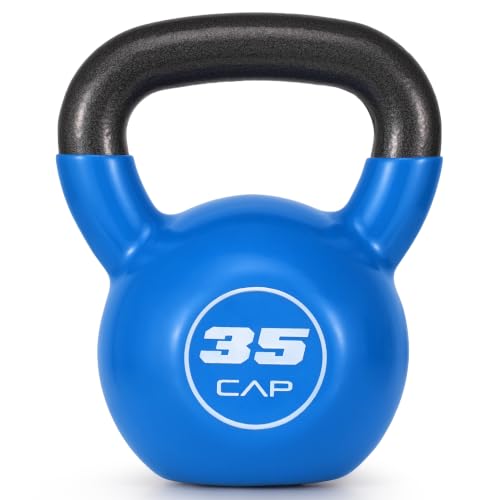
Progressive overload is easier when a brand offers a wide documented range. Entries such as Yes4All’s 5 to 100 lb lineup, ProSource’s 5 to 45 lb series, and CAP’s 10 to 50 lb selection let you stay within one product family as you advance. Starter bells in the 5 lb range support form practice, while mid-weight bells around 15 to 35 lb cover most general strength work.
Size Efficiency for Home Spaces
Compact dimensions matter in apartments and small gyms. Bells under 8 inches in length fit on most storage racks, while taller designs near 9 to 11 inches may need dedicated floor space. If footprint is a priority, filter for shorter height and narrower width before choosing a bell.
Finish Durability and Marking Visibility
The vinyl finish should hold up to repeated contact with the floor, and weight markings should remain legible after months of use. Listings that describe clearly printed or stamped markings and wipe-clean surfaces tend to age better than those that rely on stickers or painted numbers that may fade.
Final Recommendation
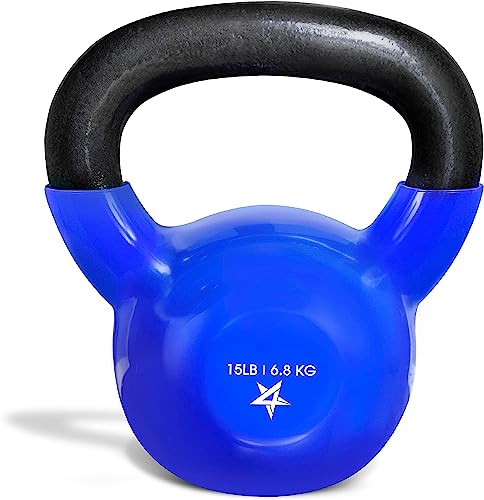
Yes4All Vinyl Coated Cast Iron Kettlebell (KLD1) ranks first overall in this specification-based comparison under the published weighted criteria.
The final choice among the best vinyl strength training kettlebells depends on the documented features that match your intended use.
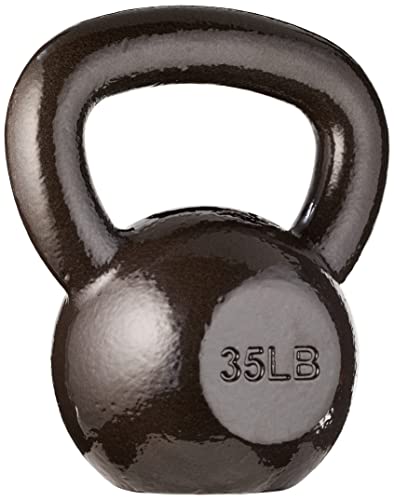
The Yes4All Vinyl Coated Cast Iron Kettlebell (KLD1) is the first overall specification-based choice in this comparison. Its documented 5 to 100 lb range, one-piece cast iron core, 6.7 inch wide handle with a 4.5 inch grip area, and flat base give it the broadest progression support among the top vinyl strength training kettlebells reviewed here. The Amazon Basics Cast Iron Kettlebell (35 lb) is a strong secondary pick for lifters who prefer a more compact footprint and a textured wide handle for general strength work, while the ProSource Vinyl Coated Cast Iron Kettlebell (ps-1960) rounds out the vinyl strength training kettlebells for users focused on cross-training movements such as swings, snatches, and get-ups. Together, these three cover beginner, intermediate, and advanced loads with documented specifications that match the buying criteria above.
Frequently Asked Questions
What weight should I start with for the best vinyl strength training kettlebells?
A 5 lb or 10 lb bell works well for beginners learning swings, goblet squats, and carries. Starting light lets you practice form before stepping up to mid-range loads around 15 to 25 lb.
How does vinyl coating compare to bare cast iron on strength training kettlebells?
Vinyl coated bells reduce noise, protect indoor floors, and resist corrosion better than bare cast iron. The trade-off is that the vinyl shell may show scuffs over time and may not tolerate hard drops on concrete as well as uncoated iron.
Are flat bottom kettlebells better for home gyms?
Flat bottom kettlebells stay upright between sets, which makes renegade rows, push-up holds, and mounted pistol squats easier. They also store neatly on racks, which helps in tight home gym spaces.
Can I build a full progression set from one brand?
Yes. Several brands in this guide, including Yes4All, ProSource, and CAP, document wide weight ranges within a single product family. Choosing one brand keeps handle geometry consistent as you increase load.
What handle features matter most on the vinyl strength training kettlebells?
Wide handles near 6.5 to 7 inches support two-handed swings, while diameters around 1.2 inches fit standard hook grip for cleans. Smooth or lightly textured finishes reduce blisters during high-rep work.