Buying Guide
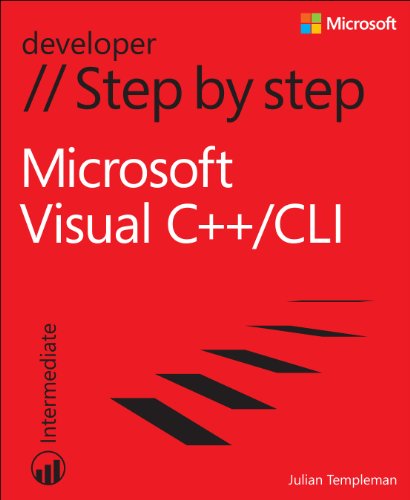
Choosing the best visual c++ programming books starts with the version of Visual Studio you actually use, because each title in this list is anchored to a specific toolchain generation. Microsoft Press volumes such as the Microsoft Visual C++/CLI Step by Step and the Microsoft Visual C++ .NET Deluxe Learning Edition align most closely with managed and CLI workflows, while Wrox and Sams titles around Visual C++ 2005 and 6.0 are designed for the native Windows developer of that era. Matching the book to your compiler is the single most useful filter when comparing the best visual c++ programming books side by side.
The most specification-aligned signal in the spec rows is the IDE version printed on the cover or listed in the product copy. Microsoft Visual C++/CLI Step by Step targets the .NET era of Microsoft Visual C++, while the Microsoft Mastering MFC Development Using Microsoft Visual C++ 6.0 and MFC Programming With Visual C++ 6 Unleashed titles explicitly reference Visual C++ 6.0. Ivor Horton’s Beginning Visual C++ 2005 names Visual C++ 2005 directly. If you maintain code that targets one of those toolchains, those titles are the most direct fit. Readers on current Visual Studio should treat older titles as historical references rather than the primary learning material.
Decide Between Tutorial Style and Reference Style
Tutorial-led titles such as Ivor Horton’s Beginning Visual C++ 2005, Beginning Visual C++ 6, and the Introduction to MFC Programming With Visual C++ walk through concepts in order, which suits new Visual C++ readers. Reference-led titles such as the Microsoft Visual C++ 5.0 Language Reference and the Microsoft Visual C++ 6.0 Programmer’s Guide are organised for lookup rather than linear reading, which suits developers who already know the basics and need precise syntax or API detail. Choosing between these formats is often the deciding factor between two otherwise similar picks.
Look at MFC Depth When You Build Windows UI
If your work centres on Microsoft Foundation Classes, depth of MFC coverage matters more than general language breadth. The Microsoft Mastering MFC Development Using Microsoft Visual C++ 6.0 and MFC Programming With Visual C++ 6 Unleashed volumes push deep into native Windows UI topics, while the Introduction to MFC Programming With Visual C++ stays at primer level. Pairing an introductory MFC text with a deeper reference is a common pattern when assembling a Visual C++ reading list and is what puts these titles among the most specification-aligned top visual c++ programming books for legacy Windows work.
Paperback dimensions, page count indicators, and weight all hint at how a book is meant to be used. Larger, heavier Microsoft Press volumes such as Programming Microsoft Visual C++ sit naturally on a desk, while compact Wrox titles travel easily. The selection here is built around physical paperback and reference formats designed for sustained study rather than quick reference on a phone.
Build Around a Layered Reading Path
A practical reading path is to start with a beginner series volume for language fundamentals, add an MFC primer if your work involves Windows UI, then layer in a Microsoft Press reference for precise syntax and runtime detail. The titles in this guide are designed to complement each other across those three layers, which is also why the list covers both tutorial and reference formats. This layering is exactly how the best visual c++ programming books are most profitably used, and the combination of beginner primer, MFC depth, and Microsoft Press reference is what makes the best visual c++ programming books in this category worth collecting together.
Final Recommendation
Microsoft Visual C++ 5.0 Language Reference ranks first overall in this specification-based comparison under the published weighted criteria.
The highest-scoring returned product in this comparison is the Microsoft Visual C++/CLI Step by Step volume, and it stands as the first overall specification-based choice for readers targeting C++/CLI on the Microsoft toolchain. It combines official Microsoft Press authorship, a documented release date, and a structured step-by-step format that suits intermediate developers. For readers whose work is rooted in classic MFC and Visual C++ 6.0, the Microsoft Mastering MFC Development Using Microsoft Visual C++ 6.0 and MFC Programming With Visual C++ 6 Unleashed titles are the most specification-aligned specialist picks in this set. Together with the compact Beginning Visual C++ 6 primer, these volumes form a practical core for a Visual C++ library and represent some of the most specification-aligned top visual c++ programming books in this category, as well as reliable selections among the best visual c++ programming books overall.
Frequently Asked Questions
Which of the best visual c++ programming books is best for current Visual Studio users?
Readers on current Visual Studio will get the most direct alignment from the Microsoft Visual C++/CLI Step by Step volume, which carries official Microsoft Press authorship and a documented release date within the broader Visual C++ family. Older titles in this list still have value as historical references but should be paired with a modern C++ resource for current toolchain features.
Are the best visual c++ programming books still useful for learning MFC today?
Yes, especially for developers maintaining legacy Windows applications. The Microsoft Mastering MFC Development Using Microsoft Visual C++ 6.0 and MFC Programming With Visual C++ 6 Unleashed volumes cover MFC in depth, while the Introduction to MFC Programming With Visual C++ provides a more approachable entry point. Pairing a primer with a deeper reference is the most efficient way to learn the framework.
How do tutorial and reference style visual c++ programming books differ?
Tutorial style titles such as Ivor Horton’s Beginning Visual C++ 2005 present material in a linear order that suits first-time learners of Visual C++. Reference style titles such as the Microsoft Visual C++ 5.0 Language Reference and the Microsoft Visual C++ 6.0 Programmer’s Guide are organised for quick lookup of syntax, APIs, and IDE workflows. Most serious Visual C++ readers eventually keep one of each on their desk.
Do I need a separate book for C++/CLI and standard C++?
In practice, yes. C++/CLI focuses on the Microsoft-specific interop layer between native and managed code, while standard C++ covers the language itself. The Microsoft Visual C++/CLI Step by Step volume handles the interop side, and a modern standard C++ text should be added if you also need coverage of current language features and the standard library.
Which Visual C++ book is best for someone new to Windows programming?
For newcomers to Windows programming, a layered path works best: start with the Introduction to MFC Programming With Visual C++ for foundational concepts, then add a Microsoft Press reference such as the Microsoft Visual C++ 6.0 Programmer’s Guide for IDE and project detail. Together with Programming Microsoft Visual C++ as a desk reference, this combination gives both conceptual grounding and the precise lookup material that Windows development requires.