Buying Guide
Choosing the best awg electrical wire starts with recognizing that “12 AWG” describes conductor size, not the complete cable design. The products in this comparison use several different constructions: NM-B building cable, individual THHN conductors, armored MC cable, duplex marine wire, and flexible low-voltage or silicone hookup wire. Those designs are not interchangeable simply because they share a gauge designation.
Match the cable type to the installation
For dry indoor residential branch circuits, the two NM-B selections are the most directly aligned with the evidence. Energeaster’s 12/2 cable includes black and white insulated conductors plus a ground and is listed for outlets, switches, lighting, wall cavities, and attics. The Arizona Electrical Solutions cable offers the same basic 12/2-with-ground arrangement in a longer coil and is also described for permitted dry indoor locations. Neither listing supports treating these cables as wet-location products.
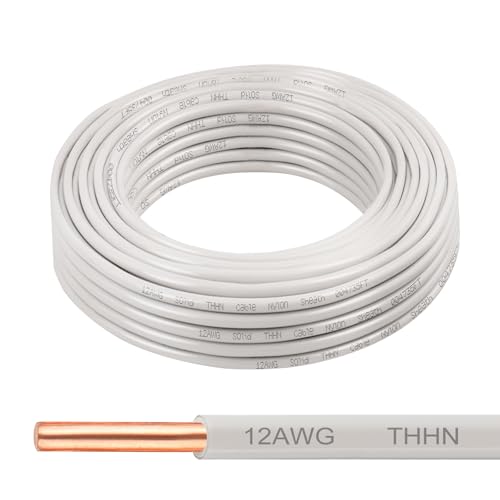
THHN is a different format. YDDECW’s solid white wire and stranded black wire are individual building conductors with nylon-over-PVC insulation and 600V ratings. The solid version is described for permanent installations, while the stranded version emphasizes flexibility and routing through tighter spaces. A project using THHN normally depends on the correct conduit, termination, conductor count, and local code requirements. The listing information alone cannot determine whether a particular installation is permitted.
HUANCHAIN’s MC cable adds aluminum armor to two current-carrying conductors and a ground. That construction can be relevant where armored cable is specified, but armor changes handling and installation requirements. It should be selected for a suitable MC application rather than used as a generic substitute for every 12 AWG wire job.
Check conductor material carefully
Conductor material is one of the most important distinctions in this group. The building and marine selections describe copper or tinned copper conductors. Tinning adds a protective coating to the copper strands and is emphasized in the marine and silicone listings for corrosion or oxidation resistance. The flexible silicone products use many fine strands, which supports bending and terminal work according to their supplied descriptions.
Several low-voltage products use copper-clad aluminum, or CCA. These listings position the wire for 12V/24V DC systems, LED lighting, speakers, automotive connections, and similar low-voltage uses. CCA should not be assumed to have the same characteristics as a solid or tinned-copper building conductor. Confirm the equipment requirements, current demand, run length, and termination method before selecting it.
Consider insulation and environment
Insulation often determines whether a cable belongs indoors, outdoors, in a conduit, or inside moving equipment. NM-B listings here are limited to normally dry indoor locations. THHN listings describe nylon and PVC layers, with the selected products documenting resistance to heat and several physical or chemical exposures. The MC listing adds metal armor and describes dry and wet location use.
Marine cable is designed around a different environmental concern. CONEPY documents a thick PVC jacket with resistance to saltwater corrosion, UV rays, abrasion, and moisture, while NOVINO identifies marine standards and tinned copper. These details make marine wire a logical category for boats, trailers, RVs, and harsh outdoor systems, but they do not remove the need to follow the applicable installation rules.
Silicone wire is aimed at flexibility and temperature range. FIPNOT, NAOEVO’s silicone kit, and Beffkkip all describe soft silicone insulation and fine-strand tinned copper. FIPNOT lists operation from -76°F to 392°F, while the other two provide Celsius ranges reaching 200°C. Those figures are useful specification clues, but the stated ratings should be checked against the actual equipment, terminals, enclosure, and circuit conditions.
Evaluate flexibility, length, and identification
Solid conductors can hold a routed shape and are common in permanent building wiring. Stranded conductors generally offer easier bending, which is why the stranded THHN and silicone products are positioned toward routing, equipment, batteries, automotive work, and models. Flexibility is not automatically better: a flexible hookup wire may be unsuitable where a building cable or listed wiring method is required.
Length also changes the practical choice. The Arizona cable provides a 100-foot coil, Energeaster and CONEPY provide 50-foot formats, and several silicone kits divide the total into short color-coded spools. FIPNOT supplies five 10-foot colors; NAOEVO’s silicone kit supplies six 10-foot colors; and Beffkkip supplies 10 feet each of red and black. Short color-coded lengths can simplify equipment wiring, while they may be inconvenient for a continuous run.
Color can help distinguish polarity or circuits in low-voltage work. Red and black pairs are common among the marine and low-voltage selections, while multi-color silicone kits offer more identification choices. Color coding does not replace testing, labeling, correct termination, or compliance with the project’s wiring requirements.
Read ratings without overextending them
A voltage rating is only one part of wire selection. The selected products variously list 600V ratings, current figures, dry and wet temperature limits, or operating temperature ranges. These values should be interpreted within the product’s documented construction and intended application. A 600V label on flexible silicone or low-voltage wire does not by itself turn that product into a residential branch-circuit cable.
Likewise, a gauge label does not establish allowable ampacity for every installation. Conductor material, insulation temperature, ambient conditions, bundling, terminals, and local electrical rules can affect the correct choice. When the evidence does not state a required property, do not infer it from a similar-looking product.
Final Recommendation
FIPNOT 12 AWG Silicone Wire, Five Colors, 50 ft ranks first overall in this specification-based comparison under the published weighted criteria.
The final choice among the best awg electrical wire depends on the documented features that match your intended use.
CONEPY 12 AWG Duplex Marine Wire is the highest-scoring returned product and the first overall specification-based choice for buyers who need broad marine-environment documentation. It combines tinned copper, a thick PVC jacket, a 50-foot length, and detailed standards and environmental claims. For dry residential branch circuits, Energeaster’s 12/2 NM-B is the more directly matched design, while YDDECW’s stranded THHN is a strong fit for flexible conduit routing.
For equipment leads, batteries, automotive projects, and tight spaces, FIPNOT’s silicone wire offers the broadest stated temperature range in the selected group. NAOEVO’s silicone kit is appealing when six colors and separate short spools are more useful than one long cable. The top awg electrical wire choice therefore depends on the wiring method and environment, not just the 12 AWG label. Verify the required cable type, conductor material, ratings, length, and local code before installation.
Frequently Asked Questions
Is the best awg electrical wire always copper?
No. The selected group includes copper, tinned copper, and CCA products. Copper and tinned copper are documented in the NM-B, THHN, marine, and silicone products, while CCA appears in several low-voltage options. The right material depends on the application and the equipment requirements. CCA products in this comparison are positioned for low-voltage systems such as LED lighting, speakers, automotive connections, and 12V/24V DC circuits.
What is the difference between NM-B and THHN wire?
NM-B is a sheathed cable assembly with insulated conductors and a ground, intended here for permitted dry indoor residential wiring. THHN is presented as individual building wire with PVC and nylon insulation for applications including conduit, control, lighting, machinery, and industrial work. The cable types differ in construction and installation method, so one should not be substituted for the other without confirming the wiring requirements.
Can marine wire be used for an automotive or RV project?
The NOVINO and CONEPY listings specifically mention boats, trailers, RVs, vans, or automotive-related uses. Their tinned copper and protective insulation are documented for demanding environments. Even so, confirm the required standards, cable length, temperature range, terminals, and installation rules for the exact vehicle or vessel before proceeding.
When is silicone insulation useful?
Silicone insulation is useful when a project needs flexible wire for tight spaces, repeated handling, or a broad stated temperature range. FIPNOT, NAOEVO’s silicone kit, and Beffkkip describe soft silicone jackets and fine-strand tinned copper. These products are positioned for automotive, battery, RC, motor, and equipment wiring. Their specifications do not establish that they are suitable replacements for NM-B or THHN building wire.
How should I choose among the top awg electrical wire options?
Start with the required wiring method and location. Choose NM-B for a suitable dry indoor residential branch-circuit application, THHN where individual building conductors are appropriate, MC where armored cable is specified, marine wire for documented marine or harsh outdoor needs, and silicone or low-voltage wire for suitable equipment and DC hookups. Then compare conductor material, insulation, temperature and voltage details, flexibility, color, and available length.