Buying Guide
The best floating soft plastic fishing lures are defined by how the bait sits and moves, not simply by the word “floating” in a title. The supplied products cover several distinct designs: worms, leeches, craws, tentacle creatures, an earthworm, and a frog. Start by matching that profile to the forage or presentation you intend to imitate, then check whether the listing supports the rig you use.
Match buoyancy to the presentation
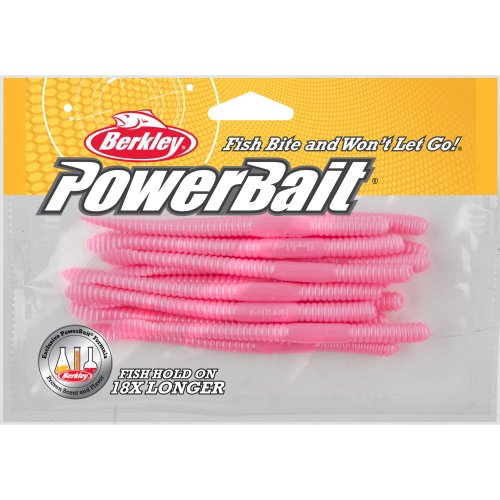
Buoyancy matters because it changes where the soft plastic rests in the water column. The Northland Eye Candy Jiggin’ Leech is described as floating and helping keep the bait off the bottom and in the strike zone. The Softy Lure Floating Finesse Worm is specifically positioned for Carolina rigs, while the Berkley PowerBait Floating Steelhead Worm is intended for suspension below a float. These are different applications even though each product belongs in the floating category.
The KRLAO Floating Topwater Frog is the most surface-specific design. Its listing says the body has no-sink construction and includes prop feet that disturb the water. By contrast, a floating leech, worm, or craw can be selected for a suspended, bottom-adjacent, or rigged presentation depending on the terminal setup. Check the wording carefully when a listing uses terms such as “slow floating,” because that suggests a more gradual presentation rather than a strictly surface-running bait.
Choose the profile before the color
Profile is the most useful first filter. The Berkley PowerBait Floating Mice Tails uses a combined salmon-egg and trout-worm concept and is listed for trout and panfish. The Berkley PowerBait Floating Steelhead Worm has a paddle tail and a 4-inch worm shape aimed at steelhead. The Northland Eye Candy Jiggin’ Leech instead uses a thin leech body intended to move continuously.
For bass, the Headbanger RawCraw provides a crawfish shape with oversized kicking claws, while the Orvex Spinker One and YUHANHUWAI Floating Sea Urchin use tentacles to create a less conventional creature presentation. The KRLAO frog is the logical profile when a surface frog imitation is documented as part of the plan. The Milepetus bait keeps things simple with an earthworm shape, and the Softy Lure product follows a traditional 5-inch finesse-worm format.
Review material and storage requirements
Material affects the trade-offs you should expect from the listing. The Headbanger RawCraw, Orvex Spinker One, Northland Eye Candy Jiggin’ Leech, and YUHANHUWAI lure identify TPE or Super TPE construction and describe durability-related benefits. The Headbanger listing also identifies its material as phthalate-free. Orvex specifically says to keep its baits in the original packaging and away from standard PVC soft plastics; Northland likewise warns against mixing the product with other soft plastics.
PVC appears in the KRLAO frog and FREE FISHER Soft Urchin listing. The Berkley, Softy Lure, and Milepetus records document soft-plastic or plastic construction but provide less detailed material information. Do not assume that every floating bait has the same storage needs. Follow the supplied product instructions, especially when TPE and PVC products are both in the tackle box.
Consider rigging flexibility
Rigging flexibility can make one bait more practical for changing conditions. Softy Lure has the broadest named list in this comparison: Carolina, shaky head, drop shot, Texas, and wacky rigs. Orvex lists drop shot, wacky, Neko, and Ned rigs. Headbanger documents Texas and Carolina rigs as well as use behind football, vibrating, and specialty jig heads.
Northland is designed to be easy to rig with a jig, while the Berkley PowerBait Floating Steelhead Worm can be suspended under a float, added to a jig, or used to tip a plug. The Mice Tails listing says they can be rigged like live bait. The KRLAO frog is different because weedless hooks are included, so it is closer to a ready-to-fish topwater lure than a hookless soft-plastic body.
Match size and species
Use the documented size and species guidance as a starting point rather than treating it as a guarantee. The Mice Tails is 3 inches and lists trout, crappie, perch, and bluegill. Northland’s leech is 3.25 inches and emphasizes walleye, while the Headbanger RawCraw is offered in 3-inch and 4-inch options for bass presentations. Orvex is 3.54 inches and lists bass, walleye, pike, and perch.
The larger 5-inch Softy Lure worm fits conventional bass-rigging choices. The YUHANHUWAI product is supplied in small and large formats, while FREE FISHER lists a 1.97-inch size. The Milepetus earthworm is 3.3 inches. Size should be considered alongside the hook, jig, or rig you plan to use; the supplied data does not establish a universal best size for any species.
Final recommendation
Northland Eye Candy Jiggin’ Leech Floating 3.25" ranks first overall in this specification-based comparison under the published weighted criteria.
Northland Eye Candy Jiggin’ Leech Floating 3.25" is the first overall specification-based choice among these best floating soft plastic fishing lures. Its evidence combines buoyancy, realistic leech geometry, continuous movement, scent absorption, rigging ease, and a clear walleye focus. It is followed closely by Headbanger RawCraw for a floating craw posture and Orvex Spinker One for a durable, multi-rig tentacle presentation.
For trout and panfish, compare the Berkley PowerBait Floating Mice Tails with the smaller FREE FISHER Soft Urchin. For steelhead or float fishing, the Berkley PowerBait Floating Steelhead Worm is the more directly documented fit. Bass anglers should consider Softy Lure when rig flexibility matters, Headbanger for a craw profile, and the KRLAO frog for surface work. The top floating soft plastic fishing lures are not interchangeable: the best selection depends on the water position, profile, and rig your plan requires.
Frequently Asked Questions
What should I check first when choosing the best floating soft plastic fishing lures?
Check whether the listing clearly documents buoyancy, then match the profile to the intended presentation. A floating leech, worm, craw, tentacle creature, and frog may occupy different parts of the water column when rigged. Next, confirm the size and named rigging methods. The evidence here supports different choices for float fishing, Carolina rigs, finesse rigs, jigging, and topwater work.
Are floating soft plastics only for topwater fishing?
No. The supplied products show several non-topwater uses. Northland describes its leech as helping keep bait off the bottom, Softy Lure identifies Carolina-rig use, and Berkley describes suspending its Steelhead Worm below a float. The KRLAO frog is the clearest surface option, but floating does not automatically mean every bait should be fished on the surface.
Which selected lure is best for finesse rigs?
Softy Lure and Orvex have the most specification-aligned documented finesse versatility. Softy Lure lists drop shot, wacky, Neko-style? No—the supplied record lists wacky but not Neko, along with Carolina, shaky head, and Texas rigs. Orvex lists drop shot, wacky, Neko, and Ned rigs. Select between them based on whether you prefer a conventional 5-inch worm or a 3.54-inch tentacle creature profile.
How should TPE floating baits be stored?
Follow the product-specific storage warnings. Orvex says to keep its TPE lures in their original packaging and avoid contact with standard PVC soft plastics. Northland also warns against mixing its bait with other soft plastics. Separate storage is therefore an important practical consideration for the TPE options in this comparison.
Which lure is the clearest choice for a topwater frog presentation?
The KRLAO Floating Topwater Frog Lure is the clearest fit because its listing documents a no-sink design, frog-shaped body, prop feet, and weedless hooks. It is a different setup from hookless worms, leeches, craws, and creature baits, so choose it when the documented surface-frog format matches the intended freshwater presentation.