Buying Guide
The best freshwater trolling motors should be matched to the boat, battery system, water depth, and steering method rather than selected by thrust alone. This comparison uses listing specifications and feature descriptions, not hands-on testing, customer ratings, or popularity signals.
Choose the mounting style
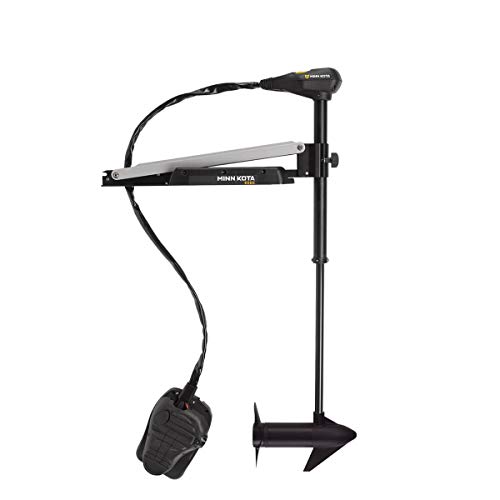
Bow-mount motors place the propeller ahead of the boat and are commonly selected when anglers want precise positioning from the front deck. Bow mounting can be especially useful when GPS anchoring, foot-pedal steering, or remote positioning is a priority.
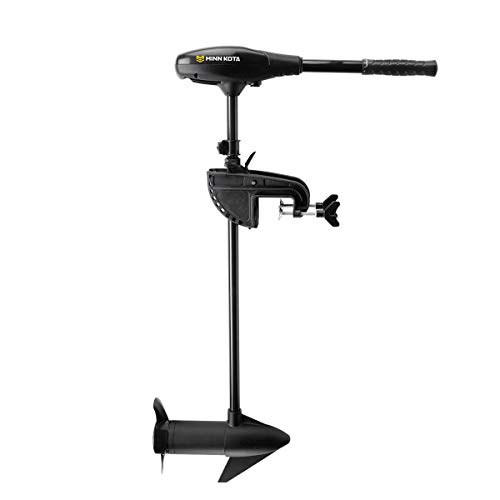
Transom-mount motors attach at the rear and generally offer a simpler installation path. The Minn Kota Endura C2 and Endura Max are transom models with tiller control. Transom motors can be a practical fit for smaller fishing boats, utility craft, and users who prefer direct hand control.
Match thrust to the boat
Thrust is one of the clearest specifications in the listings. The selected products range from 30 lb on the Endura C2 to a configurable 97/120 lb on the Lowrance Ghost.
A higher thrust rating may be useful for larger boats, heavier loads, wind, current, or thick vegetation, but the listing data does not establish a universal boat-size rule. Use the manufacturer’s boat and battery guidance before purchase. For smaller boats, the 30 lb Endura C2 or 45 lb Minn Kota Edge may offer a more appropriate configuration than a heavier high-thrust system.
Check shaft length carefully
Shaft length affects propeller placement below the boat. The selected options include 30, 36, 42, 45, 47, 48, 54, and 60 inches. The 60-inch Terrova MEGA Down Imaging model is the longest listed option, while the Endura C2 has a compact 30-inch shaft. The right choice depends on the boat’s bow or transom height and the water conditions where it will be used.
Do not assume that a longer shaft is automatically better. A shaft that is unnecessarily long may be harder to stow or configure, while one that is too short may not place the propeller appropriately. Confirm the mounting position and required depth with the product documentation.
Decide how much control you need
Basic tiller control remains available on the Endura C2 and Endura Max. The Minn Kota Edge adds heel-toe cable steering and five speed settings. More advanced models add wireless remotes, GPS positioning, Spot-Lock, Jog, drift or follow modes, and route functions.
The Ulterra is notable for one-touch stow and deploy plus power trim through several documented control methods. The Terrova 55 includes a wireless LCD remote and automatic positioning. Lowrance Recon adds a FreeSteer joystick remote and wireless foot pedal.
These features can reduce the need to reach the motor manually, but they also introduce more equipment and compatibility considerations. If you mainly need speed and direction changes, a tiller or cable-steer model may be the clearer fit.
Consider battery management
Several selected motors document variable-speed power management. Variable speed can give the operator more control over power use than a fixed-speed approach, but actual runtime depends on the battery, load, conditions, and operating settings.
The Endura C2 and Edge provide straightforward speed settings rather than the documented GPS or advanced power-management package found on higher-feature models. Check voltage and battery requirements before installation, and follow the manufacturer’s charging and wiring instructions.
Decide whether sonar matters
Sonar integration separates several models in this comparison. The Terrova 80 lb MEGA Down Imaging includes a built-in transducer for underwater visualization. The Terrova 80 lb CHIRP model and Ulterra document built-in Dual Spectrum CHIRP sonar. Lowrance Ghost includes an HDI nosecone with CHIRP and DownScan Imaging, while Recon includes an HDI nosecone and supports optional compatible Lowrance imaging systems.
That does not make them unsuitable motors; it simply means sonar should be evaluated separately when comparing their specifications.
Final recommendation
Minn Kota Ulterra 80 lb Freshwater Trolling Motor ranks first overall in this specification-based comparison under the published weighted criteria.
Minn Kota Ulterra is the highest-scoring returned product and the first overall specification-based choice. Its documented automatic stow and deploy, power trim, 80 lb thrust, GPS positioning, Spot-Lock, remote control, and CHIRP sonar give it the broadest feature combination in this comparison.
Among the top freshwater trolling motors, the Terrova 80 lb MEGA Down Imaging is a strong alternative for buyers who specifically want integrated Down Imaging and a 60-inch shaft. The Lowrance Ghost is worth considering when its configurable high thrust, brushless design, and included sonar package fit the boat. For simpler installations, the Endura Max offers a practical 55 lb transom format, while the Endura C2 keeps the design compact and straightforward.
The best freshwater trolling motors are not identical in purpose. Confirm shaft length, mounting position, thrust needs, battery compatibility, and any required fish-finder integration before making a final choice.
Frequently Asked Questions
What are the best freshwater trolling motors for GPS positioning?
The Minn Kota Ulterra and Terrova models document GPS positioning and Spot-Lock features. Lowrance Recon and Ghost list GPS-related positioning or anchor capabilities as well.
Is a transom-mount or bow-mount motor better for freshwater fishing?
Neither design is universally better. Bow-mount choices such as the Ulterra, Terrova, Edge, Ghost, and Recon provide front-mounted control options, while transom models such as the Endura C2 and Endura Max use rear mounting and tiller operation. Choose based on the boat’s available mounting area and preferred steering method.
How much thrust should a freshwater trolling motor have?
The supplied products range from 30 lb to a configurable 97/120 lb. Smaller boats may fit a lower-thrust configuration such as the Endura C2, while larger or heavier setups may call for a higher rating. Use the boat manufacturer’s guidance and account for load, wind, current, and fishing conditions rather than relying on thrust alone.
Which selected motors include sonar?
The Ulterra and two 80 lb Terrova configurations document built-in sonar. Lowrance Ghost includes an HDI nosecone with CHIRP and DownScan Imaging, and Recon includes an HDI nosecone with support for compatible optional imaging systems.
Why does shaft length matter?
Shaft length determines how the motor sits in the water from its mounting point. The selected products range from 30 to 60 inches. Compare the listed shaft with your boat’s mounting height and typical water conditions, and verify the required depth in the manufacturer’s installation guidance before buying.