Buying Guide
This guide compares the best ginger herbal tea using documented ginger intensity & format, ingredient sourcing & certifications, blend design & functional additions, brewing convenience & packaging, format versatility, and dietary inclusivity.
What defines the best ginger herbal tea
A great ginger herbal tea starts with the ginger itself: how it is sourced, dried, and cut for steeping. Across the picks in this guide, ginger sourcing ranges from named root-only blends like HIIHONE and Pukka to multi-ingredient blends such as Yogi Ginger and Twinings Lemon & Ginger. Reviewing how ginger is positioned in the ingredient list, whether it is a single root or part of a layered blend, helps narrow the best ginger herbal tea candidates for your taste.
Ginger intensity and blend design
Pure ginger teas deliver the most direct ginger bite, while blends soften or redirect that intensity. HIIHONE and Pukka lean into pure and multi-root ginger expressions with turmeric and galangal, while Yogi and Twinings products combine ginger with citrus, peppermint, lemongrass, or black pepper. When evaluating top ginger herbal tea options, think about whether you want ginger to lead the cup or to play one part in a broader flavor mix.
Ingredient sourcing and certifications
Most of the products in this roundup carry USDA organic, Non-GMO, or kosher certifications, with brands like Traditional Medicinals, Yogi, and Pukka documenting specific certifications in their packaging details. Looking for organic or Non-GMO seals on the box or listing can help match a ginger tea to a household that prioritizes certified sourcing.
Format matters as much as flavor. Most picks use standard sealed tea bags, while Twinings Lemon & Ginger K-Cup Pods target Keurig owners. Choosing between bag and pod formats is often the first practical filter when shopping the ginger herbal tea market.
Functional additions beyond ginger
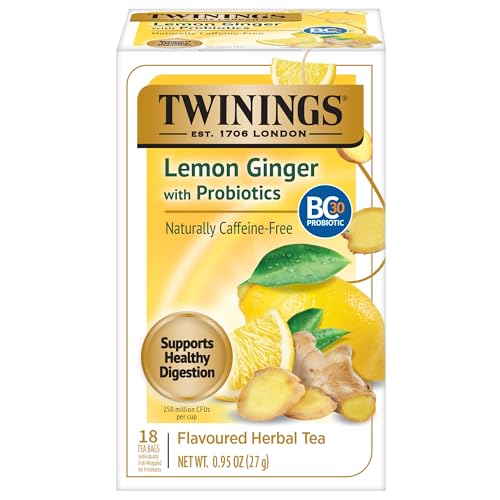
Several ginger teas include extras like probiotics or additional roots. Twinings Lemon & Ginger Probiotics and Bigelow Lemon Ginger Plus Probiotics add probiotic cultures to the ginger base, while Pukka Three Ginger layers in turmeric and galangal. Twinings Probiotics further adds turmeric for an extra warming note. These functional additions can guide buyers who want ginger tea to do more than flavor a cup.
Dietary inclusivity
Most options in this guide are caffeine-free, vegan or vegetarian, kosher, and gluten-free based on their listed certifications. Yogi and Traditional Medicinals emphasize vegan and kosher labels, while Twinings and Bigelow note gluten-free and kosher status. Checking for these certifications on the box helps align a ginger tea with specific dietary needs.
How to compare two ginger teas
A simple comparison method is to look at ingredient list position of ginger, the presence of organic or Non-GMO certification, and the brewing format. A pure ginger root tea with organic certification and individually wrapped bags covers most use cases, while a blended ginger tea with probiotics or citrus suits drinkers who want a more layered cup.
Final recommendation
Pukka Three Ginger Herbal Tea Bags ranks first overall in this specification-based comparison under the published weighted criteria.
The final choice among the best ginger herbal tea depends on the documented features that match your intended use.
For shoppers who want the most specification-aligned single-ingredient ginger profile with documented individually wrapped bags, the HIIHONE Ginger Root Herbal Tea is the first overall specification-based choice in this top ginger herbal tea lineup. Pukka Three Ginger is a strong runner-up when you want a layered three-root experience, while Traditional Medicinals Organic Ginger remains a reliable classic for digestive-focused sipping. Together, these three cover the pure-ginger, multi-root, and classic-digestive lanes that define the ginger herbal tea options in this guide.
Frequently Asked Questions
What makes the best ginger herbal tea different from regular ginger tea?
Ginger herbal teas are technically herbal infusions rather than true teas from the Camellia sinensis plant. Twinings notes this distinction in its product copy, and the caffeine-free status of ginger herbal teas reflects that. The best ginger herbal tea options rely on ginger root or rhizome combined with other herbs, spices, or citrus, rather than tea leaves.
How long should I steep a ginger herbal tea bag?
Steeping guidance varies by brand, with HIIHONE and Pukka both recommending 3 to 5 minutes in freshly boiled water. Longer steeps may pull more intensity from the ginger, while shorter steeps keep the cup lighter and more citrus-forward in blends like Yogi Lemon Ginger.
Are ginger herbal teas with probiotics worth considering?
Probiotic ginger teas like Twinings Lemon & Ginger Probiotics and Bigelow Lemon Ginger Plus Probiotics document their CFU counts per cup, which can be helpful for shoppers tracking functional intake. Their impact depends on consistent daily consumption, so consider them if you already drink ginger tea every day.
For Keurig owners, the Twinings Lemon & Ginger K-Cup Pods provide a single-serve ginger option with documented 6 oz and 8 oz brew settings. Bag-based ginger teas can also work in reusable K-Cup filters, but the dedicated pods offer a simpler path.
How do I choose between pure ginger and blended ginger teas?
Pure ginger root teas like HIIHONE or Pukka Three Ginger suit drinkers who want ginger to lead the cup, while blended options like Yogi Ginger or Twinings Lemon & Ginger add citrus, mint, or spice layers. Choosing between them is mainly a question of how much ginger intensity you want in every brew.