Buying Guide
Choosing the best kids’ dive skins starts with identifying whether the child needs a thin protective layer, a warmer neoprene wetsuit, or a shirt-style skin for sunny pool and beach use. These listings cover all three formats, so compare thickness, coverage, sun protection, stretch, closure design, and fit guidance.
Choose the coverage level first
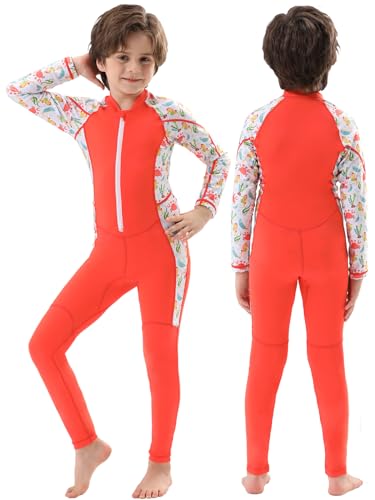
Full-body designs provide the broadest documented coverage. DEHAI, REALON, the DIVE & SAIL Kids Long-Sleeve Swim Skin, and the DIVE & SAIL Youth Full-Body Rash Guard Skin cover most or all of the body and are listed for activities such as swimming, snorkeling, diving, surfing, kayaking, or beach use. Full coverage can reduce exposed skin, but the listings do not establish that any garment eliminates the need for other sun or water-safety measures.
The O’NEILL and AVENSEA products are shirt-style skins. They cover the upper body but leave the lower body uncovered. This format may be easier to combine with swim trunks and may feel lighter in hot weather. The O’NEILL short-sleeve shirt exposes more of the arms than the long-sleeve model, while AVENSEA adds cooling-oriented fabric details.
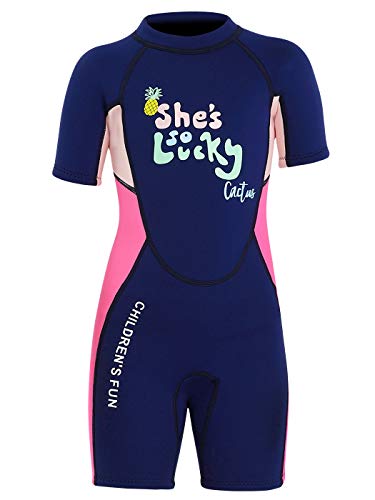
The DIVE & SAIL Shorty sits between those formats. Its 2.5mm construction supplies more wetsuit-like material than a rash-guard shirt, but the shorter cut covers less of the limbs than a full suit.
Match thickness to weather
DEHAI and REALON list 1mm constructions and are positioned for warm weather or layering beneath a thicker wetsuit. The DIVE & SAIL full-body rash-guard skin does not list a neoprene thickness and uses lightweight polyester-spandex fabric. These designs emphasize mobility, drying, or coverage rather than documented cold-water insulation.
The DIVE & SAIL Long-Sleeve Wetsuit and Shorty list 2.5mm construction. The shorty leaves more of the body exposed, while the long-sleeve model offers more coverage. OMGear lists a 3mm neoprene fullsuit, giving it a substantial warmth-focused design. Its listing notes that a child may initially find the fit tight. Thickness can affect changing and movement, so match it to the intended water conditions and fit preference.
Compare sun-protection evidence
Several products list UPF 50+: DEHAI, the DIVE & SAIL full-body swim skin, both DIVE & SAIL wetsuits, both O’NEILL Basic Skins shirts, AVENSEA, and the DIVE & SAIL youth full-body rash-guard skin. REALON describes exposure protection without providing a numeric UPF rating in the supplied evidence. OMGear describes UV protection but does not state a numeric rating in the supplied listing.
A UPF statement helps compare fabric claims, but it does not protect areas left uncovered. This is especially relevant with short-sleeve shirts and the shorty wetsuit.
Consider stretch and comfort details
Stretch is a recurring design feature. REALON lists nylon-spandex fabric and stretch recovery. DEHAI describes elastic, lightweight fabric, while the DIVE & SAIL full-body rash-guard skin lists polyester-spandex fabric and stretch. The DIVE & SAIL swim skin lists polyamide and elastane with super-stretch fabric.
The O’NEILL shirts specify four-way stretch, a slim youth fit, breathable construction, and quick drying. AVENSEA lists LYCRA four-way stretch, raglan sleeves, and COOLMAX moisture-wicking fiber. These details support active-use comparisons, but the listings do not provide independent movement tests.
Check closures and sizing
A zipper can make a close-fitting garment easier to put on and remove, but locations vary. DEHAI and the DIVE & SAIL full-body swim skin list front or back zippers; the DIVE & SAIL wetsuits use back zippers with draw cords, and OMGear lists a zipper. REALON’s supplied evidence does not identify a zipper, so confirm its entry method before ordering.
Sizing deserves attention. DIVE & SAIL recommends ordering a size up for several products. The youth full-body rash-guard skin uses a CN rather than US size chart and advises comparing measurements. OMGear lists US 4 through US 14 sizing, while the O’NEILL products use youth sizing in the supplied listings. Check measurements instead of relying only on age labels.
Follow care instructions
Rinse suits with clean water and follow the product’s drying directions. Several listings recommend hanging or laying garments to dry in the shade and caution against direct sunlight during drying. DEHAI’s instructions also say not to iron or bleach. AVENSEA lists machine-washable fabric. Care directions vary, so use the item’s own label as the final authority.
Final Recommendation
DEHAI Kids Full-Body 1mm Dive Skin ranks first overall in this specification-based comparison under the published weighted criteria.
DEHAI Kids Full-Body 1mm Dive Skin is the first overall specification-based choice among the best kids’ dive skins because it combines full-body coverage, UPF 50+, a thin 1mm design, stretch fabric, quick-drying claims, and a front zipper. It is particularly well matched to warm-weather water activities and layering under a thicker wetsuit.
Choose REALON when lightweight full-body coverage and broad activity use matter more than a documented UPF number. Choose the DIVE & SAIL 2.5mm Long-Sleeve Wetsuit or OMGear 3mm Fullsuit when warmth is the priority. The DIVE & SAIL Shorty offers partial coverage, while the long-sleeve swim skin is a lighter UPF-rated option.
For upper-body coverage, the O’NEILL long-sleeve shirt offers a clear youth fit and four-way stretch, the short-sleeve version favors less arm coverage, and AVENSEA adds cooling and moisture-wicking fabric details. The DIVE & SAIL youth full-body rash-guard skin remains a full-body option, but its CN sizing makes measurement checking essential. These are the top kids’ dive skins to compare by coverage, temperature, fit, and intended activity.
Frequently Asked Questions
What are the best kids’ dive skins for warm weather?
The DEHAI and REALON 1mm full-body designs are the clearest warm-weather options because their listings describe thin, lightweight, quick-drying construction. The DIVE & SAIL full-body swim skin and the O’NEILL shirts are also suited to lighter coverage, with different levels of body coverage. A thin skin may be more comfortable in warm conditions, but the supplied evidence does not establish a specific temperature limit for every product.
Are kids’ dive skins the same as wetsuits?
No. A dive skin or rash-guard-style garment is generally intended to provide coverage, stretch, drying convenience, and sometimes sun protection. The DIVE & SAIL 2.5mm wetsuits and OMGear 3mm fullsuit add documented neoprene thickness and a stronger warmth focus. Check the listed material and thickness instead of assuming every full-body suit has the same thermal function.
Which selected products list UPF 50+?
DEHAI, the DIVE & SAIL full-body swim skin, both DIVE & SAIL wetsuits, both O’NEILL Basic Skins shirts, AVENSEA, and the DIVE & SAIL youth full-body rash-guard skin list UPF 50+. REALON and OMGear describe UV or exposure protection without a numeric UPF figure in the supplied evidence. Garments that leave skin exposed still require appropriate protection for those areas.
How should a child be sized for a dive skin?
Start with the manufacturer’s measurement chart and compare it with the child’s current measurements. DIVE & SAIL recommends sizing up for several listed products, and its youth full-body rash-guard skin uses a CN rather than US size chart. OMGear provides US youth sizing in its listing. A close fit is expected for many skins, but the garment should not be chosen by age label alone when measurements are available.
How should these garments be cared for after swimming?
Rinse suits with clean water and follow the specific drying instructions. Several listings recommend hanging or laying garments to dry in the shade and caution against direct sunlight during drying. DEHAI’s instructions also say not to iron or bleach. AVENSEA lists machine washing, but its care label should still be followed. Care details are product-specific, especially for neoprene and stretch fabrics.