Buying Guide
Shopping for the best lead-free outdoor faucets is partly about compliance and partly about how the valve fits your wall, hose, and climate. The picks above lean heavily on documented specifications, so use the categories below as a checklist while you narrow the field. Whether you are replacing a single bibb or planning a full re-pipe, the same fundamentals apply across the best lead-free outdoor faucets on the market.
Understanding Lead-free Standards for Outdoor Faucets
Lead-free brass and stainless steel bodies are the foundation of any compliant outdoor faucet. Look for explicit “lead-free” wording in the material section and, where possible, a recognized standard such as NSF/ANSI 61 for drinking water contact. Several of the top lead-free outdoor faucets in this guide, including the TianPtion and Hromee models, also carry UPC or ASSE 1061 listings that verify performance behind the wall. If a listing only states “lead-free” without naming a standard, treat it as a baseline claim rather than a certified one.
Frost Protection and Anti-Siphon Design
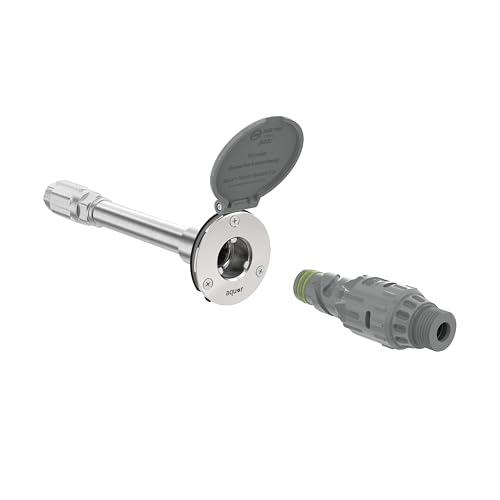
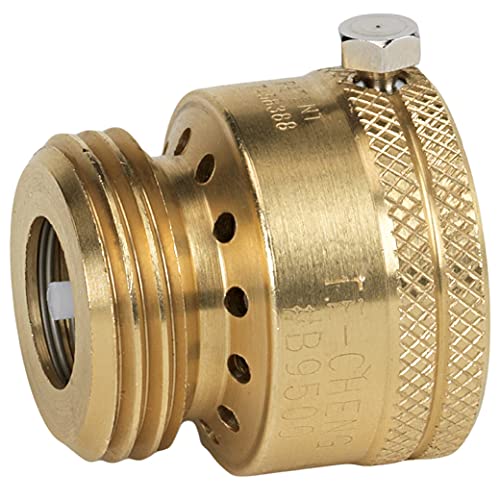
Frost-free sillcocks keep water further back inside the heated portion of the building, with the shut-off seated near the inlet end. Anti-siphon vacuum breakers sit at the outlet end to prevent contaminated water from being pulled back into the supply. Most of the best lead-free outdoor faucets highlighted here pair both features in a single body, including the TianPtion, Himaweek, Hromee, Boltigen, and PILISPARK models. Match the stem length (8, 10, or 12 inches) to the thickness of your exterior wall plus any interior finishing.
Connection Types and Pipe Compatibility
Connection style drives installation speed more than any other spec. Push-fit inlets work with PEX, CPVC, PE-RT, and copper without soldering or crimping. Threaded 1/2-inch NPT inlets suit traditional galvanized or copper supplies and feel familiar to most plumbers. Some valves, like the TianPtion TZ009 and the Solimeta sillcock, offer both options through a removable adapter. Pick the style that matches your existing plumbing rather than the one that sounds simplest in isolation.
Body Material: Brass vs Stainless Steel
Lead-free brass with a chrome-plated finish remains the most common body for premium frost-free sillcocks because it machines cleanly and resists corrosion in most climates. Stainless steel hose bibs offer an alternative body choice with their own corrosion profile. The trade-off between brass and stainless is typically weight and finish style; match the material to your climate, mounting location, and the hose accessories you plan to attach.
Flow Path and Valve Design
Outdoor faucets typically use either a multi-turn stem or a quarter-turn ball valve. Quarter-turn designs open and close quickly and are easier to operate with reduced hand strength, while multi-turn stems offer finer flow control. The stainless steel hose bibs in this category often call out a 15 mm ball core and describe higher flow rates than typical brass valves. For garden watering or car washing where you cycle the faucet often, quarter-turn operation can be a meaningful quality-of-life upgrade.
Durability, Finish, and Environmental Resistance
A chrome-plated finish helps brass faucets shed water and resist surface corrosion, while 304 stainless steel naturally resists rust and salt air. Look for a mounting flange or integrated flange to keep the body rigid against the wall, and check the listed dimensions to be sure the flange covers your siding or brick opening. If you live in a freeze-prone region, prioritize a documented frost-free stem length and an integrated vacuum breaker rather than relying on a separately installed add-on.
Installation Accessories and Hardware Bundles
The TianPtion kits ship with a vacuum breaker repair kit, sealing tape, mounting screws, and a rubber sealing ring, which means fewer trips to the hardware store. The Hromee and Himaweek sillcocks lean on third-party certifications rather than bundled parts. If you already own the usual installation supplies, certification may matter more; if you are starting from scratch, a complete bundle can be the more convenient path.
Choosing the Right Size and Stem Length
Stem length determines how far the valve’s shut-off sits back into the heated space. Measure from the interior supply line to the exterior sheathing, then add a margin for insulation and finish materials. 8-inch stems suit shallow walls and many retrofit jobs, 10-inch stems cover typical 2x4 construction with interior finishes, and 12-inch stems handle deeper walls or situations where the supply line runs through a wider cavity. Picking the right length is what separates a freeze-resistant install from one that still risks burst pipes in cold weather.
Final Recommendation
TianPtion 12 Inch UPC-Certified Anti-Siphon Frost Free Sillcock ranks first overall in this specification-based comparison under the published weighted criteria.
The final choice among the best lead-free outdoor faucets depends on the documented features that match your intended use.
After weighing material, frost protection, certification, and installation flexibility side by side, the TianPtion 12 Inch UPC-Certified Anti-Siphon Frost Free Sillcock emerges as the first overall specification-based choice. It combines a lead-free brass body, UPC certification, anti-siphon backflow prevention, and a dual-connection inlet that accepts both 1/2-inch NPT threads and push-fit adapters, with a complete accessory kit that reduces extra parts shopping. It also represents the kind of fully documented design profile that defines the top lead-free outdoor faucets for 2026, where buyers increasingly want certification evidence alongside practical installation features. If you need a shorter stem, prioritize behind-the-wall certification, or prefer a stainless steel hose bib for an exposed location, the rest of the lead-free outdoor faucets in this guide offer strong alternatives that match specific wall depths, pipe types, and climate conditions.
Frequently Asked Questions
What makes a faucet genuinely lead-free?
A genuinely lead-free faucet uses a body material such as lead-free brass or 304 stainless steel and, where possible, carries a recognized standard like NSF/ANSI 61 or a UPC listing that verifies the wetted surface for drinking water contact. Listings that only mention “lead-free” without a standard are still a baseline claim, but certification adds third-party verification.
Are the best lead-free outdoor faucets documented as safe for drinking water?
Yes, the best lead-free outdoor faucets in this guide are documented as safe for potable water, including garden produce rinsing, car washing with potable rinse water, and similar household tasks. Stainless steel hose bibs and lead-free brass sillcocks both meet that requirement when installed correctly.
How long should a frost-free sillcock stem be for my wall?
Measure from the interior supply line through the wall to the exterior surface and add a margin for insulation, sheathing, and any trim. 8-inch stems suit shallow retrofits, 10-inch stems cover typical finished walls, and 12-inch stems work for deeper cavities or thicker masonry exteriors.
Do anti-siphon outdoor faucets still need a separate vacuum breaker?
Most frost-free sillcocks in this category integrate an anti-siphon vacuum breaker at the outlet end, including the TianPtion, Hromee, Himaweek, Boltigen, and PILISPARK models. If a listing does not mention an integrated breaker, plan to add a code-compliant vacuum breaker at the hose thread.
Can a push-fit outdoor faucet connect to copper or PEX interchangeably?
Push-fit inlets are typically rated for PEX, CPVC, PE-RT, and copper in the same valve body. If your supply line uses a different standard, such as ASTM F1807 PEX with a crimp ring, choose a sillcock with an explicit PEX-end model or use a 1/2-inch NPT adapter that matches your plumbing.