Buying Guide
The best lightweight cutting boards are not defined by a single material or shape. A thin plastic mat can be easier to store than a rigid board, while a bamboo board may provide a more traditional prep and serving surface. The right choice depends on how much cutting space you need, whether you want separate surfaces for different ingredients, and how you plan to clean and store the board.
Start with listed weight and thickness
Weight matters most when a board must move frequently between a drawer, countertop, sink, table, or outdoor cooking area. The WK set is listed at the current price, while Ziliny is listed at the current price and CHEODIN at the current price. These products are especially suited to dorms, apartments, RVs, and portable meal preparation. Their thin profiles also make stacking and hanging easier.
Rigid boards remain practical when you want a more stable-feeling cutting surface. The compact Farberware board is listed at 0.the current price, and the larger Farberware board at the current price. Kitsure and Freshware provide bamboo alternatives at 1.55 and the current price respectively. A lower listed weight generally helps with carrying, but it does not by itself establish how a board will feel during cutting; the supplied listings do not provide hands-on stability testing.
Match the surface to your kitchen
Small boards make sense for quick tasks such as slicing fruit, preparing snacks, or working in a confined kitchen. Ziliny’s approximately 11.42-by-7.48-inch boards and the 8-by-10-inch Farberware board are compact options. They can be easier to position around other ingredients, but their smaller working areas may be limiting when preparing large vegetables or multiple portions.
For broader coverage, Goodluck, ZVP, and CHEODIN document 14.65-by-11.02-inch or 15-by-12-inch mats. The Farberware large board measures 11 by 14 inches, while Kitsure measures 15 by 10 inches. Larger surfaces are useful for meat, fish, vegetables, and general meal prep, but they need more drawer, rack, or counter space. Check the dimensions against your storage area before choosing a large format.
Decide whether flexibility helps
Flexible mats are useful when you want to slide chopped ingredients into a bowl, pot, or pan. WK documents a 1.2 mm thickness and bending capability; Goodluck, ZVP, CADONO, and CHEODIN also describe flexible construction. This design can make transfer easier and allows mats to stack in drawers.
The trade-off is that flexible sheets may not provide the same rigid support as a conventional board. Textured or patterned backs are documented on WK, Goodluck, ZVP, CADONO, and CHEODIN, and these features are intended to improve grip. Even so, the listings do not establish performance under every countertop condition. Follow the supplied guidance, such as placing a damp towel underneath when recommended.
Consider organization and food separation
Multi-piece color-coded sets can help designate boards for meat, vegetables, fruit, bread, or other ingredients. Ziliny, Goodluck, ZVP, CADONO, and CHEODIN all document colors, food icons, or intended category separation. This approach can be useful for batch cooking or households that prefer to keep separate prep surfaces available.
A single reversible board is simpler and takes less organizational effort. Both Farberware boards provide two cutting surfaces, while the Kitsure and Freshware bamboo products focus on multi-purpose natural boards. Choose a set when separation and task variety matter; choose a single board when straightforward storage is the priority.
Review cleaning instructions carefully
Dishwasher compatibility is documented for WK, Ziliny, Goodluck, ZVP, CADONO, both Farberware boards, and the plastic-based sets selected here. Several listings include temperature guidance, so follow those instructions rather than assuming every dishwasher cycle is appropriate. CHEODIN’s listing recommends hand washing to extend lifespan despite also describing dishwasher use.
The bamboo products require closer attention. The supplied evidence for Kitsure and Freshware describes material, surface, storage, and knife-related features but does not document dishwasher-safe cleaning. That does not prove a specific care schedule; it simply means the supplied listing provides less dishwasher guidance than the plastic alternatives.
Look for useful design details
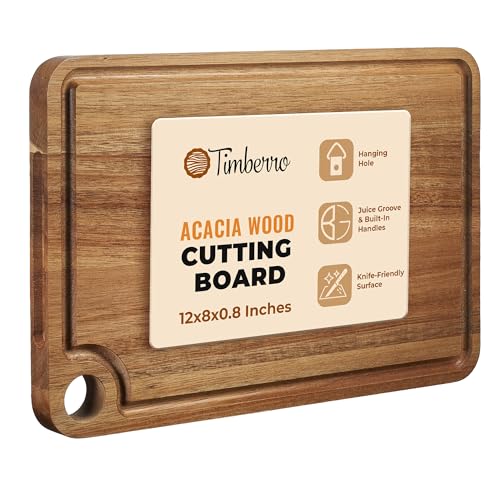
A hand hole or hanging hole can simplify storage and carrying. Farberware documents a hand hole, Kitsure documents a hanging hole and built-in handle, and Freshware documents hanging holes that also function as finger grips. Juice grooves are documented for Kitsure and Freshware, while textured backs and non-slip features appear on several flexible mats.
These details should be matched to your routine. A groove can be useful when working with juicy foods, a handle can help move a board from counter to table, and a hanging hole can free drawer space. None of these features replaces checking the board’s actual dimensions or the cleaning instructions.
Final recommendation
WK Flexible Plastic Cutting Board Mats ranks first overall in this specification-based comparison under the published weighted criteria.
The final choice among the best lightweight cutting boards depends on the documented features that match your intended use.
WK Flexible Plastic Cutting Board Mats are the highest-scoring returned product and the first overall specification-based choice. Its very low listed weight, three sizes, flexible transfer design, BPA-free material, and dishwasher compatibility make it one of the top lightweight cutting boards for broad everyday utility.
For the smallest storage footprint, Ziliny is the more compact direction. For color-coded large mats, CADONO, ZVP, Goodluck, and CHEODIN offer multiple surfaces with documented organization features. If you prefer a rigid plastic format, the compact Farberware board suits smaller tasks, while the large Farberware board offers more prep space. Kitsure and Freshware are the bamboo alternatives, with natural material and storage features but less documented dishwasher guidance.
Frequently Asked Questions
What should I look for in the best lightweight cutting boards?
Start with listed weight, dimensions, thickness, and the storage features that fit your kitchen. Then check whether you prefer a flexible mat or a rigid board, and review documented cleaning instructions. A multi-piece set may improve food-category organization, while a single reversible board may be simpler to store.
Are flexible cutting mats better for small kitchens?
They can be convenient because they are thin, light, and often stack easily. WK, Ziliny, Goodluck, ZVP, CADONO, and CHEODIN document flexible designs. Their bendability also supports food transfer. However, the supplied evidence does not establish that a flexible mat will feel as stable as a rigid board, so countertop fit and personal preference still matter.
Dishwasher use is documented for the selected plastic boards and mats, including WK, Ziliny, Goodluck, ZVP, CADONO, and both Farberware products. The listings may include temperature or care cautions. Kitsure and Freshware provide bamboo construction details but do not document dishwasher-safe cleaning in the supplied evidence.
Are top lightweight cutting boards suitable for RVs or camping?
Several selected products are specifically described as portable or suitable for RVs, apartments, dorms, picnics, or outdoor meals. Ziliny, Goodluck, and the other flexible sets are particularly easy to carry because of their low listed weights and thin profiles. Confirm that the board’s dimensions fit your available prep and storage area before traveling.
Do juice grooves or handles matter?
They can improve convenience for particular tasks. Kitsure and Freshware document juice grooves, while the Farberware boards, Kitsure, Freshware, and some flexible options document hand or hanging holes. These features may help contain liquid, carry the board, or store it on a hook, but they should be considered alongside weight, surface size, and cleaning requirements.