Buying Guide
Choosing the best organic oolong tea in 2026 starts with understanding how organic certification, leaf grade, and oxidation level shape every cup. This specification-based guide compares ten USDA-certified and Ecocert-verified options across bagged, loose-leaf, and canister formats, helping you match format and flavor to your daily routine.
Organic Certification and Origin
Documented organic certification is the foundation of any credible organic oolong. Look for USDA organic seals, Ecocert SA certifications, or equivalent third-party verification, plus origin detail that names a specific region such as the Wuyi District of Fujian, high-mountain Chinese farms, Gokase Town in Miyazaki, or Indian high-altitude estates. Several products in this guide, including Prince of Peace Organic Oolong Tea Bags, 100 Count and VitalForest Organic Tie Guan Yin Oolong Tea Bags, 50 Count, document both certification and regional origin, which supports traceability from leaf to cup.
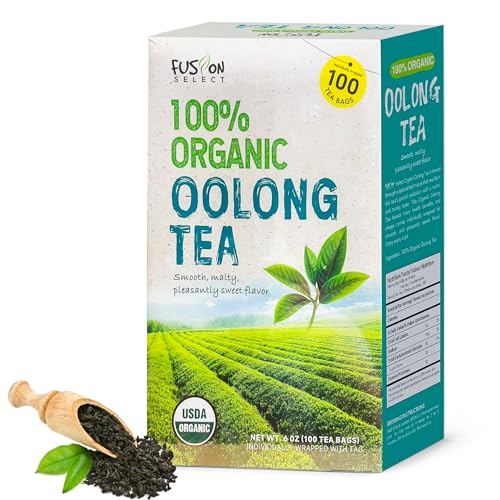
Oolong tea quality varies significantly between broken-leaf sachets and whole-leaf grades. Whole-leaf oolong retains more aroma and supports multiple infusions, while bagged formats offer convenience and consistent portioning. For everyday convenience, FGO Organic Oolong Tea Bags, 100 Count and Soeos Organic Oolong Tea Bags, 100 Count provide reliable bagged formats with documented organic sourcing.
Flavor Profile and Oxidation
Oolong sits between green and black tea, and oxidation level shapes its flavor. Lighter oxidation produces floral, vegetal, or lightly roasted notes, while heavier oxidation yields rich, malty, or wine-like profiles. Allegro Organic Splendid Oolong Tea Bags, 20 Count highlights spice and roasted nut undertones, while VitalForest Organic Tie Guan Yin Oolong Tea Bags, 50 Count showcases floral high-mountain character. Choosing the best organic oolong tea often comes down to matching oxidation style with your preferred cup character.
Packaging Freshness and Eco Materials
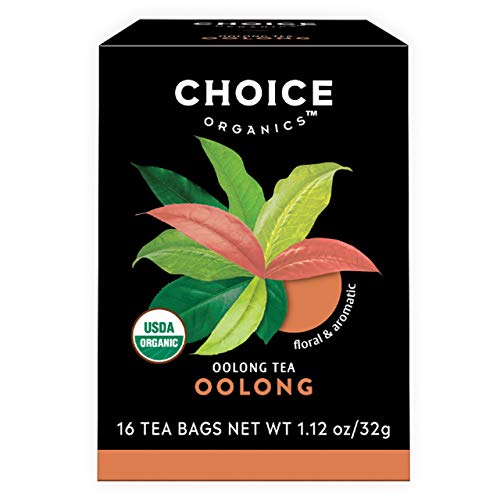
Packaging affects both freshness and environmental footprint. Resealable kraft pouches, foil-lined bags, individually wrapped sachets, and recyclable canisters all help protect leaf aroma. FGO Organic Oolong Tea Bags, 100 Count uses unbleached Abacá hemp-fiber bags and foil-lined kraft pouches, while Choice Organic Teas Oolong Tea Bags, 48 Count (Pack of 3) packages compostable sachets in recycled paperboard cartons. If storage or gifting matters, VitalForest’s recyclable canister adds premium presentation to a strong organic core.
Brew Versatility and Caffeine
Most organic oolong teas brew well both hot and cold, and several products disclose caffeine ranges to help you plan intake. Prince of Peace Organic Oolong Tea Bags, 100 Count lists 30–40 mg per cup, Choice Organic Teas Oolong Tea Bags, 48 Count (Pack of 3) lists approximately 40 mg per cup, and Soeos Organic Oolong Tea Bags, 100 Count explicitly supports hot and cold preparation.
Dietary and Ethical Certifications
Beyond organic, certifications such as Non-GMO Project verification, fair trade, kosher, vegan, and gluten-free expand suitability for different households and gift recipients. Combining organic with ethical certifications helps the best organic oolong tea fit restricted diets and sustainability priorities.
Final Recommendation
Choice Organic Teas Oolong Tea Bags, 48 Count (Pack of 3) ranks first overall in this specification-based comparison under the published weighted criteria.
After comparing certifications, leaf grades, oxidation profiles, packaging, brew versatility, and dietary documentation, Prince of Peace Organic Oolong Tea Bags, 100 Count stands out as the first overall specification-based choice, combining ECOCERT organic certification, Fujian origin transparency, and explicit caffeine disclosure in a familiar 100-bag format. For buyers building a deeper rotation, Choice Organic Teas Oolong Tea Bags, 48 Count (Pack of 3) is a strong ethical-and-eco runner-up, while VitalForest Organic Tie Guan Yin Oolong Tea Bags, 50 Count adds a high-mountain floral option to your top organic oolong tea lineup. Together these three selections cover convenience, ethics, and single-origin variety within the best organic oolong tea category.
Frequently Asked Questions
What certifications should I look for when buying the best organic oolong tea?
Look for USDA organic or Ecocert SA seals, Non-GMO Project verification, and fair-trade or kosher certifications where relevant. Several options in this guide, including FGO Organic Oolong Tea Bags, 100 Count and Choice Organic Teas Oolong Tea Bags, 48 Count (Pack of 3), document multiple certifications on their packaging.
Bagged formats like Soeos Organic Oolong Tea Bags, 100 Count offer convenience and consistent portioning for daily drinkers.
How does oxidation level affect organic oolong flavor?
Lighter oxidation produces floral or vegetal cups similar to green tea, while heavier oxidation yields malty, roasted, or wine-like profiles similar to black tea. Allegro Organic Splendid Oolong Tea Bags, 20 Count leans toward roasted nut and spice notes, while VitalForest Organic Tie Guan Yin Oolong Tea Bags, 50 Count highlights floral high-mountain character.
Which organic oolong is best for cold brewing?
Products that explicitly support hot and cold brewing, such as Soeos Organic Oolong Tea Bags, 100 Count and Nutricas Organic Whole-Leaf Oolong Tea Bags, 20 Count, are well suited to cold brewing. Their recommended steeping ranges and individually wrapped formats make them convenient for iced preparation.
Are compostable tea bags important for organic oolong?
Compostable sachets and recycled cartons, like those used by Choice Organic Teas Oolong Tea Bags, 48 Count (Pack of 3) and FGO Organic Oolong Tea Bags, 100 Count, reduce packaging waste while keeping leaves fresh. They pair well with organic sourcing for buyers prioritizing sustainability alongside the best organic oolong tea selection.