Buying Guide
The best pressboard business report covers are chosen by matching the cover’s physical format to the documents it must hold. Start with sheet size, then consider capacity, binding direction, fastener design, and the construction details that matter for repeated filing. This comparison uses public listing data only; it does not represent hands-on testing or customer-opinion analysis.
Match the cover to document size
Letter-size paper is the default for most office reports, proposals, contracts, and presentations. Products such as the ACCO Pressboard Report Cover, Dark Blue, 3-Inch; the Oxford Pressguard Pressboard Cover, Light Blue; and the Dunzoom 5-Pack Letter Pressboard Covers are identified for 8.5 x 11-inch documents. A cover that matches the sheet size helps keep pages enclosed without requiring an oversized folder.
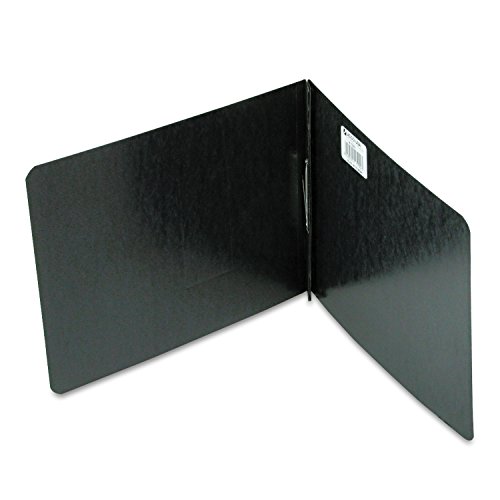
Ledger and oversized documents need a different format. The Blue Summit Supplies 11 x 17 Pressboard Covers and the ACCO Pressboard Report Cover, 11 x 17, Black are specifically listed for 11 x 17-inch sheets. These are more appropriate for large tables, landscape reports, drawings, or proposals prepared on ledger paper. Do not substitute a letter-size cover simply because its capacity is similar; the page dimensions are the first compatibility check.
Choose capacity based on the punched stack
Capacity describes how much material the cover is designed to accommodate, but the listings do not use a single consistent sheet-count standard. Several selected products specify 3-inch capacity, including the Blue Summit, Oxford 12905, Oxford Pressguard, dark-blue ACCO, ACCO 11 x 17, and Dunzoom covers. The Smead option specifies 2-inch storage capacity while separately describing fastener and document limits, and the two top-bound ACCO choices also specify 2-inch capacity.
For a substantial manual, lengthy report, or multi-section proposal, a 3-inch design gives more room than a 2-inch cover. For thinner files, a 2-inch cover may be easier to handle and may avoid choosing a larger format than necessary. Capacity should be treated as a documented design specification rather than a guarantee that every paper type will fit equally well.
Compare side binding and top binding
Side binding places the fasteners along the long side of a standard letter sheet. The dark-blue ACCO cover is side bound on the 11-inch side, and the ACCO 11 x 17 model is also described as side bound. This orientation resembles a conventional report file and is a natural fit for documents read from front to back.
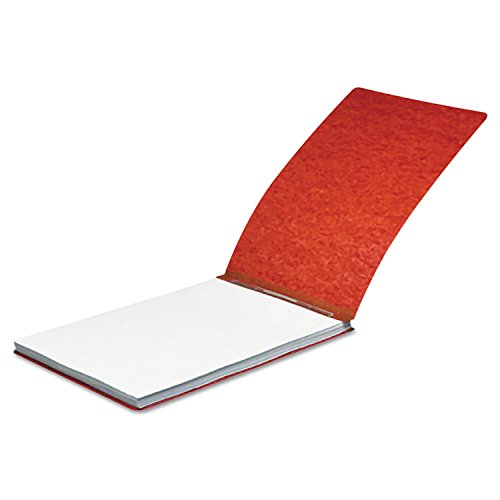
Top binding places the fasteners along the shorter edge. The Smead cover is top-edge bound, as are the black ACCO top-bound cover and the earth-red ACCO spring-style cover. Top-bound designs can suit forms, presentations, or files that are handled from the top edge. Neither orientation is universally better; the right choice depends on how the report will be opened, copied, stored, and labeled.
Examine the cover and hinge construction
Pressboard thickness and hinge reinforcement are useful indicators in a specification comparison. The selected listings identify 20-point genuine pressboard for the earth-red ACCO cover and the black ACCO top-bound model. Blue Summit and gisgfim identify 25-point pressboard, while other products describe heavyweight, rigid, or genuine pressboard without giving a point thickness.
Hinge details also vary. Tyvek reinforcement is documented for multiple ACCO models, including the dark-blue letter cover and the black 11 x 17 cover. Oxford lists a reinforced side hinge on the Pressguard model, while Smead specifies a reinforced hinge. A reinforced hinge is particularly relevant when a report will be opened repeatedly, although the listing evidence does not establish a uniform durability result across brands.
Check fastener type and page control
Two-piece metal prongs, spring-style fasteners, and compressors appear across the category. A compressor can help hold punched pages in a flatter stack, but buyers should still verify the hole pattern and spacing required by their documents.
Fastener spacing can be important when replacing an existing filing system. The dark-blue ACCO cover lists 8.5-inch centers, the Smead cover lists 2-3/4-inch centers, and the black ACCO top-bound model lists 2.75-inch centers. These measurements are not interchangeable assumptions, so compare them with the punched holes in the papers before ordering.
Consider material and quantity needs
The best pressboard business report covers may be purchased as individual covers, small packs, or larger boxes. A single cover can make sense for a one-off presentation, while five-, ten-, twelve-, or twenty-five-cover quantities better suit recurring filing. The Smead box is the largest selected office-filing quantity, while Blue Summit, gisgfim, and Dunzoom offer multipack formats suited to several projects.
Sustainability information is not uniform, but some listings provide useful details. The Smead cover lists 60% recycled content, the black ACCO top-bound cover lists 50% recycled and 30% post-consumer content, and the earth-red ACCO model lists the same recycled-content figures. Oxford’s selected 12905 and Pressguard listings identify acid-free construction, while gisgfim and Dunzoom describe their pressboard as recyclable or coated for added protection. Use these claims as product-specific specifications rather than broad conclusions about the whole category.
Build a practical office shortlist
For standard letter files, first decide whether 2 or 3 inches is appropriate, then choose side or top binding. For large-format work, narrow the list to the two 11 x 17-inch options. If a team files many similar reports, prioritize a pack size and, where available, color or title-panel features that simplify identification. The top pressboard business report covers are not interchangeable: capacity, hole spacing, binding direction, and sheet size determine whether a cover fits the workflow.
Final Recommendation
Among the top pressboard business report covers, the ranked products differ under documented capacity and document fit, cover and hinge construction, fastener and page security, binding and format utility, and material and sustainability details.
Blue Summit Supplies 11 x 17 Pressboard Covers ranks first overall in this specification-based comparison under the published weighted criteria.
Smead Pressboard Report Cover, 2-Inch, 25-Box is the first overall specification-based choice among these selections. Its documented compressor, reinforced hinge, metal fastener, 2-inch capacity, top-hole compatibility, and 25-cover quantity give it the broadest practical office-filing profile in this comparison. It is especially compelling for recurring filing rather than a single presentation.
For ledger documents, choose Blue Summit Supplies 11 x 17 Pressboard Covers because the listing clearly identifies 11 x 17-inch fit, 25-point stock, reinforced spine, compressor, and 3-inch capacity. For a conventional letter-size side-bound file, the dark-blue ACCO Pressboard Report Cover, Dark Blue, 3-Inch provides clear format and fastener-spacing details. Buyers seeking a title panel and acid-free specification should consider the Oxford 12905 or Oxford Pressguard options.
The best pressboard business report covers depend on the document size and filing method more than on appearance alone. Confirm the hole pattern, capacity, binding direction, and pack quantity before purchase. Those checks narrow the choices quickly and reduce the chance of selecting a cover that is technically strong but mismatched to the intended report.
Frequently Asked Questions
Among the best pressboard business report covers, what should I check first when choosing a pressboard report cover?
Check the document size first. Letter-size reports need a cover identified for 8.5 x 11-inch sheets, while ledger documents need an 11 x 17-inch model such as Blue Summit Supplies 11 x 17 Pressboard Covers or the ACCO Pressboard Report Cover, 11 x 17, Black. After size, compare capacity and hole spacing.
Is a 3-inch capacity always better than a 2-inch capacity?
No. A 3-inch cover is better suited to thick manuals, lengthy reports, or large proposals, while a 2-inch cover may be more appropriate for a smaller punched stack. The Smead and two selected top-bound ACCO models document 2-inch capacity; several other selected covers specify 3 inches. Choose the smallest documented capacity that fits the intended contents comfortably.
Should I choose side binding or top binding?
Choose side binding when the report will be read like a conventional bound file or stored in a side-bound workflow. Choose top binding when pages are handled from the upper edge or when a presentation-style arrangement is preferred. The dark-blue ACCO and ACCO 11 x 17 covers document side binding, while Smead and the selected top-bound ACCO covers document top binding.
Do compressors matter in a pressboard report cover?
A compressor is useful when you want a flatter, more controlled stack of punched pages. It is documented on the Smead, Blue Summit, and gisgfim selections. However, compressor presence does not replace checking the fastener type, hole spacing, and capacity required by the documents.
Are recycled-content details available for every cover?
No. Some listings provide specific recycled-content information, including the Smead cover and selected ACCO models, while others focus on pressboard thickness, rigidity, coating, or acid-free construction. Treat recycled-content percentages and other environmental details as product-specific evidence, not assumptions for every pressboard cover. The best pressboard business report covers are the ones whose documented materials and format match your filing requirements.