Buying Guide
Choosing the best spade gardening shovels often means balancing blade shape, shaft length, and grip type against the soil you actually dig. This guide looks at full-size digging spades, drain spades, and compact spade-style tools with a focus on documented specifications so you can match a tool to your bed size, soil type, and digging style.
Blade steel and edge geometry
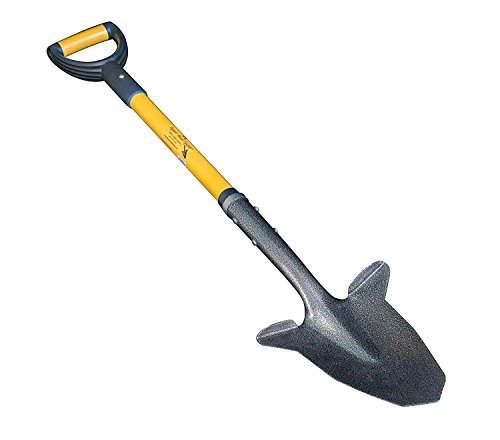
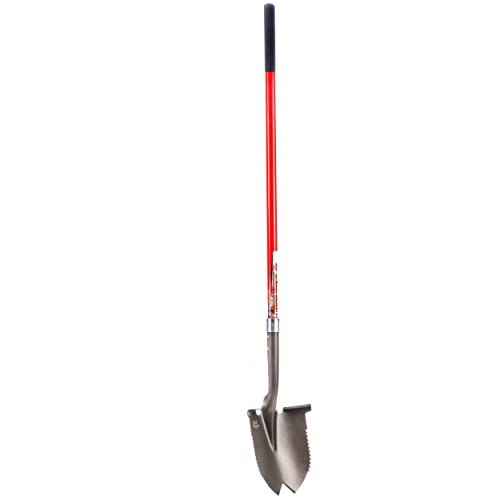
The blade is the part of a spade that does the cutting, so the steel specification and edge design matter most. Tools like the HANTOP Sharp Blade Spade Shovel use a 1050MN steel head with a sawtooth profile, while the Root Slayer 22011 Garden Shovel adds a serrated inverted-V tip to power through roots. The Spear Head Spade SHFD3 uses carbon-manganese steel with a self-sharpening finish, and the WIKER Sharp Shooter Drain Spade relies on a manganese steel head with a three-layer anti-corrosion coating. Each of these designs reflects a different philosophy about how the blade should interact with soil, and the best spade gardening shovels for tough ground tend to combine a hard steel head with an aggressive edge.
Head shape and specialty use
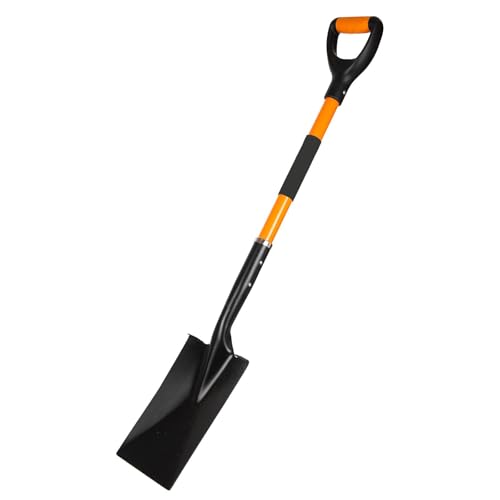
Spade heads fall into several recognizable shapes. A flat, square head suits edging and clean slicing, while a narrow drain spade concentrates pressure for transplanting and trenching. Picking the right head shape is one of the clearest ways to narrow down the best spade gardening shovels for your beds.
Shaft length, material, and grip
Shaft length and material change how a spade feels during a long session. The Spear Head Spade SHFD3 uses a 40-inch steel-reinforced fiberglass shaft, while the Berry & Bird Garden Digging Spade pairs a 41-inch stainless steel head with an FSC-certified ash hardwood handle. Fiberglass shafts like the WIKER Sharp Shooter Drain Spade and HIGHLIGHT Fiberglass Drain Spade handle resist rot and absorb shock, while wood handles offer a traditional feel. Selecting the best spade gardening shovels for your height and grip preference is much easier once you know which combinations are documented.
Foot platforms and tread design determine how easily the blade enters the ground. The HANTOP Sharp Blade Spade Shovel lists widened foot platforms with an anti-skid pattern, and the Nohovu D-Handle Spade Shovel adds a non-slip wide tread for stepping force. The Spear Head Spade SHFD3 uses forward-bent footrests to push the blade deeper with each step, while the Berry & Bird Garden Digging Spade integrates a stainless steel socket for direct force transfer. Larger platforms help shorter gardeners push the blade in, while forward steps help when working in dense or clay-heavy soil.
Durability, finish, and warranty
A spade lives outdoors, so the finish and warranty say a lot about expected lifespan. Such specifications make a difference when comparing the top spade gardening shovels for year-round use.
Weight and balance
Weight affects how long you can dig without fatigue. The HIGHLIGHT Transplanting Drain Spade weighs about 3 lb, the Root Slayer 22311 Nomad about 2.7 lb, and the HIGHLIGHT Fiberglass Drain Spade about 3.35 lb. The Corona Tools DigMASTER Nursery Shovel uses a 47-inch shaft to balance its weight for controlled nursery work. Smaller gardeners and longer sessions usually favor lighter tools, while heavier heads can drive deep into hardpan with fewer steps.
Final recommendation
Root Slayer 22011 Garden Shovel ranks first overall in this specification-based comparison under the published weighted criteria.
After comparing blade steel, head geometry, shaft design, leverage, durability, and weight, the HANTOP Sharp Blade Spade Shovel emerges as the first overall specification-based choice among the best spade gardening shovels in 2026. Its 1050MN steel head, sawtooth blade, 43-inch fiberglass handle, and wide foot platforms create a balanced tool that handles edging, trenching, and general digging. For gardeners focused on root cutting, the Root Slayer 22011 Garden Shovel is a strong alternative, while transplanting work is well served by the WIKER Sharp Shooter Drain Spade and the HIGHLIGHT Transplanting Drain Spade. Together, these options represent the top spade gardening shovels currently documented for US gardeners in 2026.
Frequently Asked Questions
What makes the best spade gardening shovels different from a regular shovel?
A spade typically has a flatter, straighter blade designed for cutting, edging, and slicing rather than scooping loose material. The best spade gardening shovels use harder steel and often a sharper edge so the blade can cut through turf and roots instead of just pushing soil aside.
Which blade shape works best for edging and lawn work?
A flat, square blade produces the cleanest edging lines and turf cuts.
Should I choose a fiberglass or wood handle on a spade?
Fiberglass shafts like the ones on the HANTOP Sharp Blade Spade Shovel, WIKER Sharp Shooter Drain Spade, and HIGHLIGHT Fiberglass Drain Spade handle weather better and absorb shock. Wood shafts like the Berry & Bird Garden Digging Spade and Nohovu D-Handle Spade Shovel feel traditional and rigid but may need more care in damp soil.
Are compact spades good for raised beds?
Compact spades such as the Root Slayer 22311 Nomad Garden Spade are designed for raised beds and tight plots. Their shorter 39-inch length and lighter weight make it easier to maneuver between boards and around established plants, which is why they appear in many lists of the spade gardening shovels for small gardens.
How do I pick between a full-size spade and a drain spade?
A full-size spade suits general digging and turning, while a drain spade focuses on transplanting, trenching, and digging narrow holes. The Root Slayer 22011 Garden Shovel and Spear Head Spade SHFD3 are full-size, while the HIGHLIGHT Fiberglass Drain Spade and WIKER Sharp Shooter Drain Spade are drain spades. Matching the tool to the task is the simplest way to select the spade gardening shovels for your work.