Buying Guide
The best women’s stability trail running shoes are not defined by one universal construction. In this comparison, stability comes from several documented approaches: a dedicated chassis, a dual-density midsole, raised sidewalls, a broad platform, a secure lacing system, or a roomy toe box paired with a stable fit. The right choice depends on how much motion control, traction, cushioning, and protection your routes require.
Start with the type of stability
For the clearest dedicated control system, the Salomon XA PRO 3D uses a low-profile 3D Advanced Chassis between the midsole and outsole. The listing specifically describes motion control and stability, making it the most direct match for shoppers prioritizing structured support. The Brooks Cascadia 18 takes a different approach: its Trail Adapt System, articulated ballistic rock shield, and zonal outsole pods are described as providing adaptable stability while preserving flexibility.
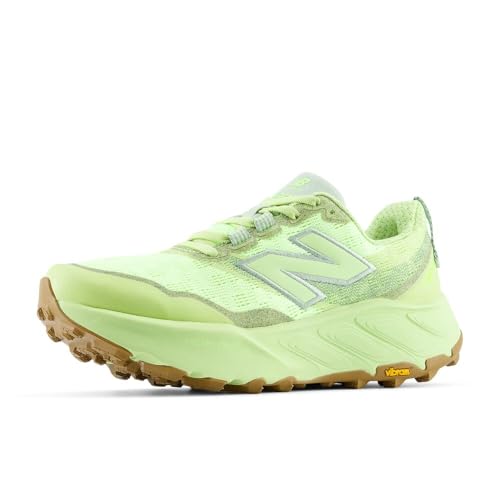
The New Balance Fresh Foam X Hierro v9 uses a dual-density platform. Its softer top layer is paired with a firmer bottom layer that the listing connects with stability on uneven terrain. Brooks Caldera 8 instead emphasizes raised sidewalls, a widened base, and flex grooves. Those features are documented as helping stabilize landings, but the high-stacked design may feel different from a low-profile chassis.
Match traction to the trail surface
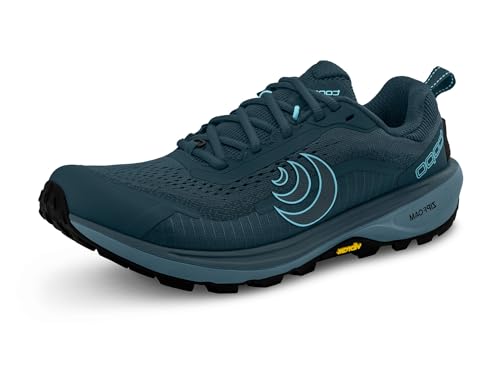
Outsole evidence is especially useful when comparing trail shoes. The XA PRO 3D uses all-terrain Contagrip rubber for mixed terrain and loose gravel. The Cascadia 18 lists TrailTack Green rubber for wet and dry traction. The Hierro v9 and Topo Athletic Terraventure 5 both specify Vibram Megagrip; the Terraventure 5 adds deep, multidirectional lugs.
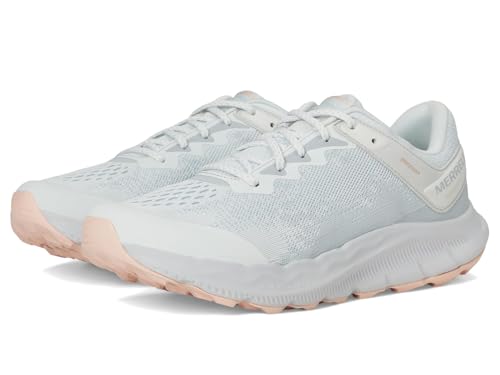
The La Sportiva Wildcat uses a FriXion AT outsole with the Impact Brake System, while the Saucony Peregrine 12 uses PWRTRAC rubber and a redesigned lug pattern. The Merrell Antora 4 lists Quantum Grip rubber and FLEXconnect grooves. These details indicate trail intent, but they do not establish identical performance on every surface. Consider whether your routes are primarily gravel, wet ground, rocky paths, or mixed terrain.
Decide how much protection you need
Protective details matter when rocks, roots, and debris are part of the route. The Cascadia 18 includes an articulated ballistic rock shield, TPU mudguard, and toe cap. The XA PRO 3D lists a reinforced toe cap. The Hierro v9 also has a reinforced toe cap, while the Wildcat combines a protective trail cage, molded TPU heel stabilizer, and substantial rubber toe guard.
The Peregrine 12 is the most explicit rock-plate option in the selected group. Its improved rock plate is described as adding protection while retaining flexibility. By contrast, the ALTRA Lone Peak 9, ALTRA TIMP 5, and Merrell Antora 4 listings provide less detail about rock-specific protection. That does not prove they lack protection; it simply means the supplied evidence gives less basis for comparing that feature.
Cushioning preferences can change how a stability shoe feels. The Hierro v9 uses dual-density Fresh Foam X, with a softer upper layer and firmer lower layer. The Caldera 8 offers high-stacked DNA Loft v3 cushioning for rough, mountainous terrain. The Brooks Cascadia 18 uses DNA LOFT v2, and the Salomon XA PRO 3D uses EnergyCell foam.
For a more level geometry, the ALTRA Lone Peak 9 and ALTRA TIMP 5 use Altra’s Balanced Cushioning concept, placing the heel and forefoot at the same distance from the ground. The Topo Athletic Terraventure 5 specifies a 3 mm drop. These lower or level platforms may appeal to runners who want a more natural geometry, but the supplied listings do not establish that one geometry is universally better.
Check fit details before choosing
Fit security is a major part of trail stability. The Topo Athletic Terraventure 5 documents a spacious toe box with a secure midfoot. The ALTRA Lone Peak 9 and ALTRA TIMP 5 both list a wrap-around fit, and the ALTRA models also document FootShape toe boxes that allow the toes to spread. The La Sportiva Wildcat uses a foot-wrap lacing harness to secure the heel and midfoot, but its listing also advises ordering one-half size larger.
Upper construction adds useful context. The Hierro v9 has a breathable knit upper with a gusseted tongue, while the Terraventure 5 uses a tightly woven dual-mesh upper with reinforcement in high-abrasion areas. The Antora 4 combines engineered mesh and TPU. Use these details alongside your preferred toe-box room and heel security rather than treating a single fit style as universally suitable.
How this comparison was scored
The editorial ranking uses five category-specific criteria: stability and motion control, trail traction, underfoot and trail protection, cushioning and comfort, and fit and upper security. Scores reflect only the supplied product descriptions and specifications. This is a specification-based comparison, not a hands-on test, and it does not summarize customer opinions. Products were also grouped by non-empty parent identifier so each distinct base product appears only once.
Final Recommendation
Salomon XA PRO 3D Women’s Trail Running Shoes ranks first overall in this specification-based comparison under the published weighted criteria.
The Salomon XA PRO 3D is the highest-scoring returned product and the first overall specification-based choice among the best women’s stability trail running shoes. Its 3D Advanced Chassis, Contagrip outsole, EnergyCell cushioning, and reinforced toe cap provide the most complete documented combination of control, traction, cushioning, and protection.
The Brooks Cascadia 18 is a close alternative for mountain routes because its Trail Adapt System and articulated rock shield address both stability and rough-ground protection. Choose the New Balance Fresh Foam X Hierro v9 if dual-density cushioning and Vibram Megagrip are more important to you. For a roomy toe box and low-drop geometry, the Topo Athletic Terraventure 5 is the most specification-aligned fit-focused option. Together, these models represent several of the top women’s stability trail running shoes without assuming that one platform or fit works for every runner.
Frequently Asked Questions
What makes the best women’s stability trail running shoes different from ordinary trail shoes?
A stability trail shoe documents features intended to help control movement or maintain a secure platform. In this selection, examples include the Salomon XA PRO 3D’s 3D Advanced Chassis, the Brooks Cascadia 18’s Trail Adapt System, and the New Balance Fresh Foam X Hierro v9’s firmer lower midsole layer. Other models use a broad base, raised sidewalls, a wrap-around fit, or secure midfoot construction. Trail traction and protection are separate considerations, so check all of them rather than relying on the stability label alone.
They can provide a stable fit for some runners, but geometry alone does not determine overall stability. The Topo Athletic Terraventure 5 specifies a 3 mm drop and a spacious toe box with a secure midfoot. The ALTRA Lone Peak 9 and ALTRA TIMP 5 use Balanced Cushioning and wrap-around fits. These designs document fit and platform characteristics, but the supplied evidence cannot establish how every runner will respond to them.
Which selected shoes document the most trail protection?
The Brooks Cascadia 18 lists an articulated ballistic rock shield, TPU mudguard, and toe cap. The La Sportiva Wildcat includes a protective trail cage, molded TPU heel stabilizer, and rubber toe guard. The Saucony Peregrine 12 has an improved rock plate, while the Salomon XA PRO 3D and New Balance Fresh Foam X Hierro v9 list reinforced toe caps. Match the protection details to the debris and terrain on your routes.
How should I compare traction across these models?
Look for the outsole compound, lug description, and stated terrain together. The Salomon XA PRO 3D lists all-terrain Contagrip for mixed terrain and loose gravel. The Topo Athletic Terraventure 5 and New Balance Fresh Foam X Hierro v9 specify Vibram Megagrip, while the Saucony Peregrine 12 uses PWRTRAC and a redesigned lug pattern. These specifications help organize the comparison, but they do not replace checking the terrain you expect to run.