Buying Guide
The best weatherproof electrical boxes are not all designed for the same job. The selected products fall into three practical groups: equipment enclosures, conduit-connected device boxes, and protective covers for outdoor receptacles. Start by identifying what must fit inside, how cables will enter, and whether the box needs to contain a receptacle, a junction, or electronic hardware.
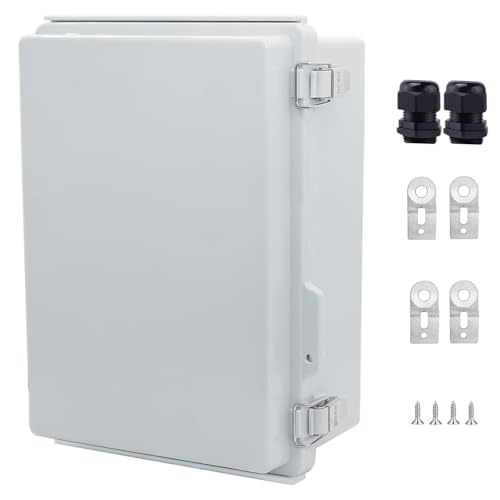
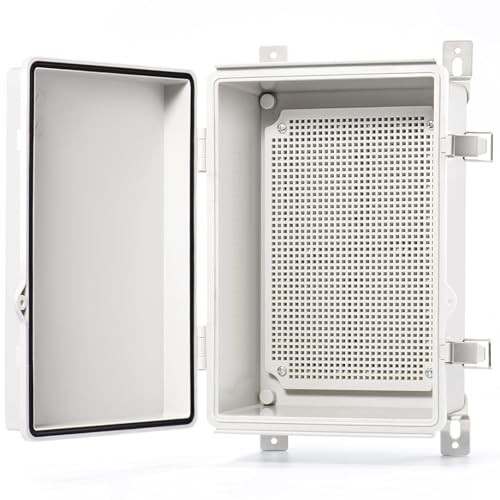
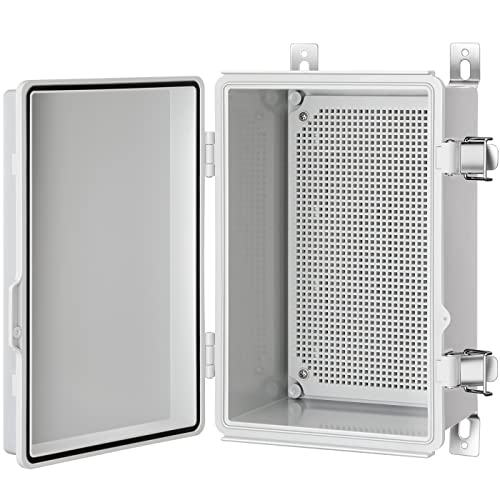
A hinged project enclosure is the natural fit for controllers, terminal blocks, routers, cameras, irrigation equipment, and other components mounted inside a box. The QILIPSU UL94-V0 Enclosure, LuSumtly IP67 Junction Box, TICONN IP67 Outdoor Electrical Box, IGEYAPA IP67 Clear-Cover Junction Box, QILIPSU 11.2-Inch Project Enclosure, and Gratury IP67 Project Enclosure all document mounting plates or panels. Those features are more useful for equipment than a simple one-gang box.
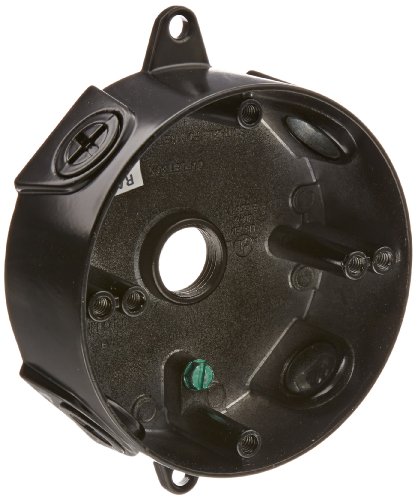
For a receptacle or conduit junction, choose a device box instead. The BELL 5320-0 and Sigma 14250 are compact one-gang options with threaded or knockout entries. The BELL PDB77550GY provides a two-gang format and seven threaded outlets for a more involved conduit layout. Sealproof is different again: it is a box-and-cover kit intended to protect an outdoor outlet while it remains in use.
Match the protection rating to exposure
IP67 is the most specific stated ingress rating among the selected project enclosures. The supplied listings describe dust-tight protection and water exposure up to immersion in one meter for several products, but the rating does not remove the need for correct cable-entry sealing and installation.
NEMA 3R is documented for the Sigma 14250, and Sealproof documents wet-location suitability and a UL Extra Duty in-use cover. These are different labeling systems from IP ratings, so do not treat them as interchangeable. They may be more appropriate where the main concern is keeping connections contained and covered rather than submerging a junction box.
Consider material and access
ABS is common in the project-box group because the supplied listings describe it as lightweight, impact-resistant, and electrically insulating. The LuSumtly listing additionally identifies UV protection, while the QILIPSU UL94-V0 listing specifies PC/ABS alloy and a flame-retardant classification. These details can help narrow a choice when the enclosure will hold electronic equipment outdoors.
Die-cast aluminum is used by BELL, Sigma, and Sealproof. Their listings emphasize powder-coated finishes, corrosion resistance, or rugged construction. Metal boxes are oriented toward conduit and device installations, but buyers should still verify compatibility among the box, cover, fittings, grounding provisions, and intended device.
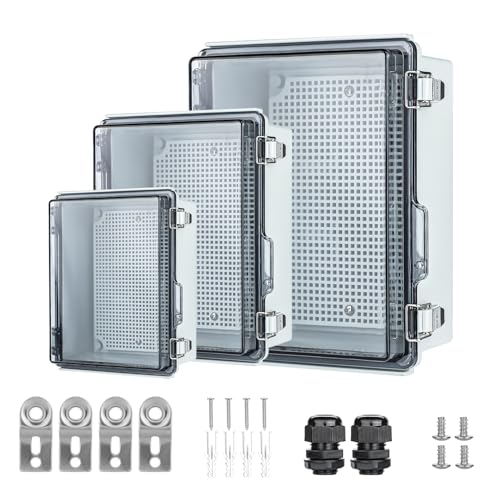
A clear cover, as documented for TICONN and IGEYAPA, can make the internal layout visible without opening the enclosure. A hinged cover makes maintenance access easier, while a lockable design, documented for Sealproof and Gratury, can limit casual access. These are access features, not substitutes for following applicable electrical installation requirements.
Check dimensions and cable entry
External dimensions alone do not tell you how much equipment will fit. The QILIPSU 11.2-Inch listing specifically directs buyers to its internal dimension drawing, and several other listings provide only an external size. Allow room for wire bending, glands, terminal blocks, mounting hardware, and the cover to close without strain. Confirm that the selected box can be mounted without obstructing cable routes.
Cable entry is another major difference. The Sigma and BELL boxes provide threaded outlets or knockouts for conduit. TICONN lists 3/8- and 1/2-inch NPT cable glands, while LuSumtly lists cable glands, wall brackets, and DIN rail. Other ABS boxes say that openings can be drilled or customized, but that does not necessarily mean glands are included. Plan the entry method before ordering, especially for an IP67 installation.
Review included hardware and compliance
Included accessories can change the installation plan. Mounting plates, wall brackets, closure plugs, reducer bushings, gaskets, ground screws, cable glands, and DIN rail are documented across the selection. Read the individual listing carefully because a product may be compatible with a cover or fitting without including it.
Formal compliance information is clearest on the Sigma 14250 and Sealproof kit, which document UL and CSA listing or UL Extra Duty and wet-location suitability. For a new installation, confirm local code, device compatibility, conductor requirements, and whether the selected assembly is approved for the location.
Final Recommendation
Sealproof 1-Gang Exterior Outlet Box Kit ranks first overall in this specification-based comparison under the published weighted criteria.
Sealproof 1-Gang Exterior Outlet Box Kit is the first overall specification-based choice in this comparison.
For the best weatherproof electrical boxes for equipment enclosures, the QILIPSU UL94-V0 IP67 Enclosure combines IP67 protection, PC/ABS alloy construction, a UL94-V0 claim, mounting hardware, and a large format. It is a strong match when its internal dimensions fit the project.
For a single outdoor receptacle, Sealproof is the more focused option because its box and lockable in-use cover are documented for wet locations, with UL-related specifications and horizontal or vertical configuration. Sigma 14250 is a compact conduit choice when UL and CSA listing, NEMA 3R protection, knockouts, and grounding provisions matter.
The top weatherproof electrical boxes for larger electronics are the LuSumtly, QILIPSU 11.2-Inch, and Gratury models, each with IP67 project-box claims and mounting provisions. TICONN and IGEYAPA suit users who want a clear cover, while BELL’s one- and two-gang boxes fit more conventional conduit work. Use the rating, format, included entry hardware, and installation requirements together rather than selecting by size alone.
Frequently Asked Questions
What are the best weatherproof electrical boxes for outdoor electronics?
The QILIPSU UL94-V0, LuSumtly, TICONN, IGEYAPA, QILIPSU 11.2-Inch, and Gratury enclosures are directly suited because their listings describe hinged project boxes, IP67 protection, and mounting plates or panels. Choose among them by internal capacity, cable-entry method, cover style, and any required material or compliance specification.
Is IP67 better than a weatherproof label?
IP67 provides a specific dust and water-ingress classification, while a general weatherproof statement is less precise. The rating still depends on proper installation, sealed cable entries, and a correctly closed cover. A product with NEMA 3R or wet-location documentation may be more appropriate for a conduit or receptacle installation, so compare the actual application rather than assuming one label fits every use.
Should I choose ABS or die-cast aluminum?
ABS project boxes in this selection are described with electrical insulation and impact-resistance benefits, and some add UV or flame-retardant specifications. Die-cast aluminum boxes from BELL, Sigma, and Sealproof are oriented toward conduit-connected devices and list powder-coated or rugged construction. The better material depends on the device, mounting method, grounding needs, exposure, and required listing.
Do weatherproof electrical boxes include covers and cable glands?
Not always. Sealproof explicitly provides a box-and-cover kit, and several project enclosures list cable glands or mounting accessories. Other boxes describe customizable drilled openings, closure plugs, or compatibility with separate covers. Check the included-items section and verify thread sizes before installation.
Use the stated internal dimensions when available and leave room for wire routing, bends, terminals, glands, mounting plates, and cover clearance. Do not rely only on external measurements. The QILIPSU 11.2-Inch listing specifically refers buyers to an internal dimension drawing, illustrating why a physical fit check is important.