Buying Guide
The best 24-exposure film should match your camera format, lighting, desired image character, and processing workflow. Every selection here is described as 35mm or 135 film and provides 24 exposures per roll, although several listings package multiple rolls together. The comparison is based on supplied listing specifications and feature text, not hands-on testing or customer sentiment.
Start by checking that your camera accepts standard 35mm film. Kodak Tri-X 400TX Professional 35mm, Ilford HP5 Plus 400 35mm Film, Kodak UltraMax 400 Color Film, Kodak Gold 200 Color Film, and Ilford FP4 Plus all identify 35mm or 135-format compatibility in their supplied details. That makes them relevant to conventional 35mm cameras, but the listing data should still be checked against the camera manual before loading a roll.
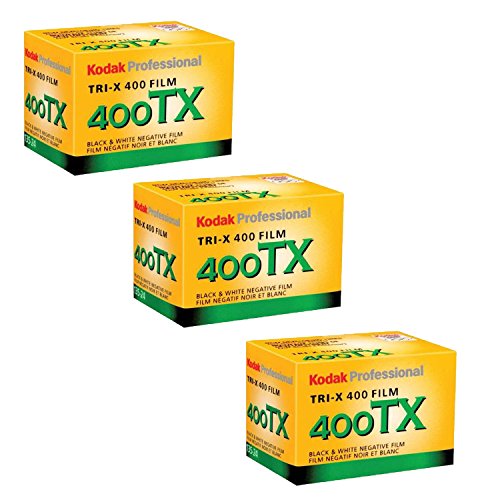
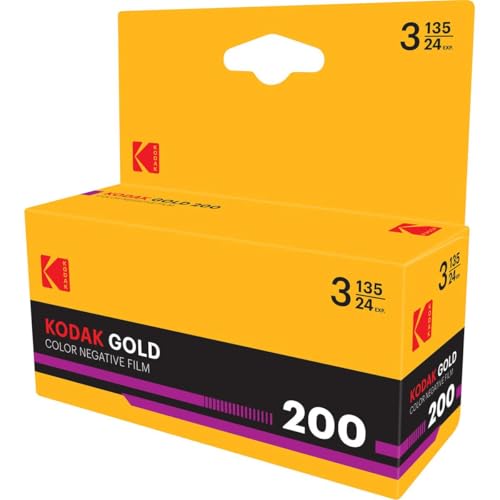
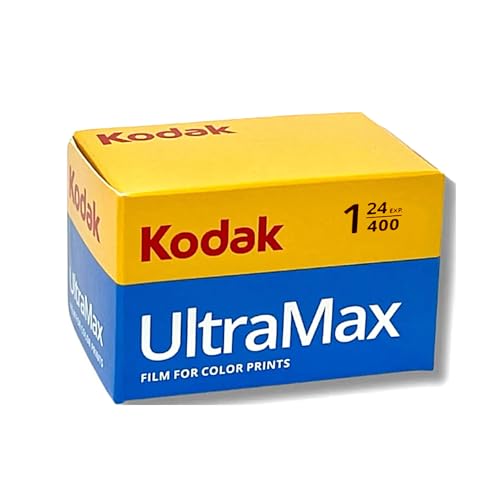
The phrase “24 exposures” describes the capacity of each roll, not always the number of rolls in the package. Kodak UltraMax 400 Color Film, Kodak Gold 200 Color Film, Ilford HP5 Plus 400 35mm Film, Ilford FP4 Plus, and Kodak Tri-X 400TX Professional Film are multi-roll packages. Kodak Max 400 Speed 24 Exposure 35mm Film, Kodak UltraMax 400 Color Negative Film, Kodak Gold 200 GB Color Negative Film, and Kodak Tri-X 400TX Professional 35mm are presented as single-roll listings.
Choose color or black and white
Color-negative film is the natural direction for scenes where hue and skin color matter. Kodak Max 400 Speed 24 Exposure 35mm Film lists accurate flesh-tone reproduction, while Kodak UltraMax 400 Color Negative Film lists vibrant color, consistent color under varied lighting, and optimized skin tones. Kodak Gold 200 Color Film and Kodak Gold 200 GB Color Negative Film are ISO 200 color options, with the former also listing C-41 processing availability.
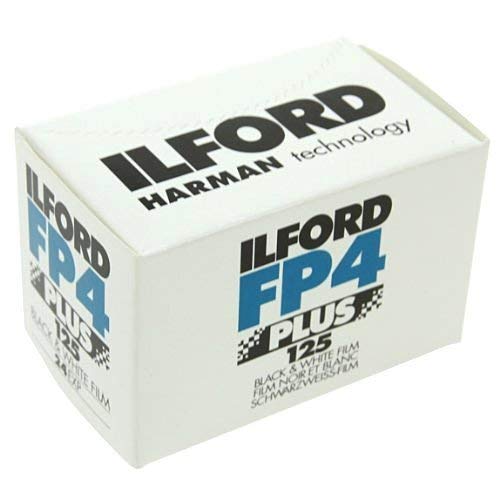
Black-and-white film is better aligned with monochrome projects, graphic compositions, and photographers who want tonal rather than color information. Kodak Tri-X 400TX Professional 35mm and Kodak Tri-X 400TX Professional Film list panchromatic black-and-white film, medium contrast, fine grain, and gradation. Ilford HP5 Plus 400 35mm Film lists medium contrast and wide latitude. Ilford FP4 Plus is the slower ISO 125 alternative and emphasizes fine grain and sharpness.
Match ISO to the light
ISO 400 is the dominant speed in this selection. Kodak Tri-X 400TX Professional 35mm, Ilford HP5 Plus 400 35mm Film, Kodak UltraMax 400 Color Film, Kodak Max 400 Speed 24 Exposure 35mm Film, and Kodak UltraMax 400 Color Negative Film all document ISO 400. That speed is a sensible specification-based starting point when lighting may change, when faster shutter speeds are useful, or when a project includes both outdoor and less-bright scenes.
ISO 200 options include Kodak Gold 200 Color Film and Kodak Gold 200 GB Color Negative Film. Their lower nominal speed is paired with daylight-oriented color characteristics in the supplied evidence. ISO 125 Ilford FP4 Plus is slower still, but its fine-grain and high-sharpness claims may make it more appealing when the scene provides sufficient light and detailed monochrome rendering is the priority.
Consider grain, sharpness, and color character
Listing language gives useful direction, but it should not be treated as a substitute for a controlled comparison. Kodak UltraMax 400 Color Film lists fine grain, color accuracy, contrast, and broad dynamic range. Kodak Gold 200 Color Film lists fine grain, vivid color, and sharpness, while Kodak Max 400 Speed 24 Exposure 35mm Film emphasizes enlargement capability and flesh tones.
For monochrome work, Ilford FP4 Plus lists fine grain and high sharpness. Kodak Tri-X 400TX Professional 35mm lists fine grain, high sharpness, medium contrast, and brilliant highlights. Ilford HP5 Plus 400 35mm Film lists superb sharpness, high contrast, and archival properties. These descriptions help separate a slower detail-oriented stock from faster, more flexible alternatives, but actual results also depend on exposure, development, scanning, and printing.
Look for exposure latitude
Exposure latitude matters when the light is unpredictable or when the photographer wants more room around the meter reading. Kodak Tri-X 400TX Professional 35mm and Kodak Tri-X 400TX Professional Film both list wide exposure latitude. Ilford HP5 Plus 400 35mm Film lists wide latitude and push-processing support, and the three-pack Ilford HP5 Plus listing also identifies wide latitude. Kodak UltraMax 400 Color Film lists broad dynamic range and exposure flexibility, while Kodak Gold 200 Color Film lists the ability to handle over- and underexposure.
A listing that mentions latitude does not guarantee a particular result. It simply provides a relevant specification for comparing films intended for changing conditions. For a slower option, Ilford FP4 Plus lists robust exposure tolerance, giving it a place in this guide despite its ISO 125 speed.
Check the processing workflow
Processing details can affect the practicality of a film choice. Kodak Gold 200 Color Film explicitly identifies C-41 processing availability, which is useful when selecting a color-negative workflow. The other products in this comparison are described primarily by film type, speed, format, and image characteristics rather than a named chemistry. Confirm the required development process with the film packaging, lab, or manufacturer before exposing a roll.
Pack size also affects workflow planning. A single roll is appropriate for a defined project or trial, while a two-, three-, or larger pack supports a consistent stock across several sessions. The package count does not change the 24-exposure capacity of each individual roll.
Final Recommendation
Kodak Tri-X 400TX Professional 35mm ranks first overall in this specification-based comparison under the published weighted criteria.
The final choice among the best 24-exposure film depends on the documented features that match your intended use.
Kodak Tri-X 400TX Professional 35mm is the highest-scoring returned product and the first overall specification-based choice. Its ISO 400 speed, 24-exposure 35mm format, panchromatic black-and-white design, fine grain, sharpness, medium contrast, and wide latitude create the most balanced profile in this comparison.
Choose Ilford HP5 Plus 400 35mm Film when wide latitude and push-processing support are more important than color. For color photography, Kodak UltraMax 400 Color Film offers ISO 400, fine grain, and listed flexibility across lighting conditions. Kodak Gold 200 Color Film is the more daylight-oriented color route, with fine grain and C-41 processing availability. Ilford FP4 Plus is the specialist pick for a slower ISO 125 monochrome stock where fine grain and sharpness are central.
The top 24-exposure film for your project therefore depends on the required image type and light. Use the higher-ranked ISO 400 choices for broader speed flexibility, the ISO 200 and ISO 125 options for brighter conditions, and multi-roll packages when a consistent stock is needed across several sessions.
Frequently Asked Questions
Is the best 24-exposure film always ISO 400?
No. ISO 400 is widely represented here, including Kodak Tri-X 400TX Professional 35mm, Ilford HP5 Plus 400 35mm Film, and Kodak UltraMax 400 Color Film, but Kodak Gold 200 Color Film and Kodak Gold 200 GB Color Negative Film are ISO 200, while Ilford FP4 Plus is ISO 125. Choose according to the available light and the desired color or monochrome workflow.
What does 24 exposures per roll mean?
It means one roll is specified to provide 24 frames or exposures. A package may contain multiple rolls, such as the three-roll Kodak UltraMax 400 Color Film package or the three-pack Ilford FP4 Plus listing. Each roll retains its own 24-exposure capacity.
Which selected films are color negative film?
Kodak Max 400 Speed 24 Exposure 35mm Film, Kodak UltraMax 400 Color Negative Film, Kodak UltraMax 400 Color Film, Kodak Gold 200 Color Film, and Kodak Gold 200 GB Color Negative Film are identified as color-negative products in the supplied evidence. Kodak Gold 200 Color Film also lists C-41 processing availability.
Which selected films are black and white?
Kodak Tri-X 400TX Professional 35mm, Kodak Tri-X 400TX Professional Film, Ilford HP5 Plus 400 35mm Film, Ilford HP5 Plus 400 35mm Film 3-Pack, and Ilford FP4 Plus are listed as black-and-white film. Their speeds range from ISO 125 for Ilford FP4 Plus to ISO 400 for the others.
What is the top 24-exposure film for changing light?
The most specification-aligned specification-based candidates for changing light are Kodak Tri-X 400TX Professional 35mm, Ilford HP5 Plus 400 35mm Film, and Kodak UltraMax 400 Color Film. Their listings identify ISO 400 and wide latitude or broad lighting flexibility. The appropriate choice still depends on whether you want black-and-white or color negatives and on the processing workflow you plan to use.