Buying Guide
The best 36-exposure film is not one universal emulsion. The right choice depends on whether you want color or monochrome negatives, the light you expect, and how much the listing tells you about grain, sharpness, latitude, and processing. All ten selections are presented as specification-based comparisons from supplied listing data, not as hands-on test results.
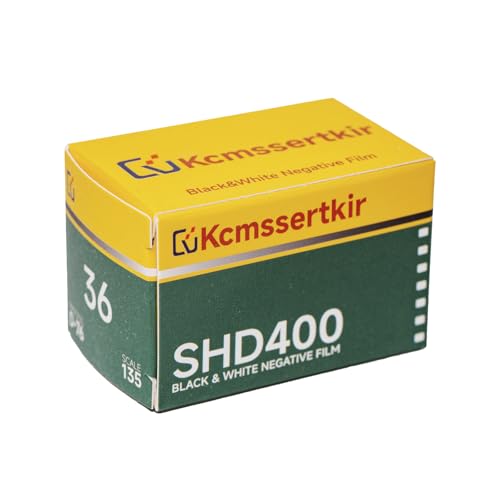
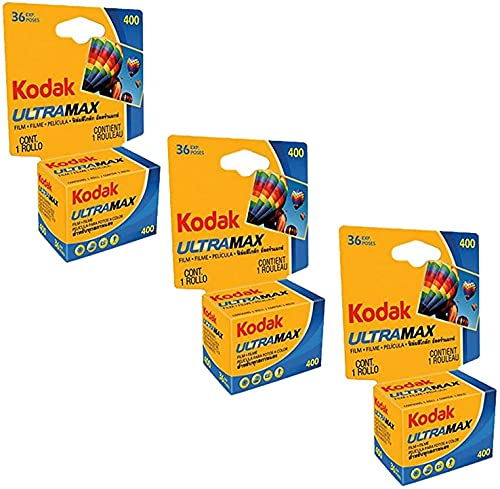
A 35mm camera generally needs 135-format film, and each selected product identifies 35mm or 135 film in its title or features. The exposure count matters because “36 exposures” describes the nominal number of frames on a roll, while a multi-pack describes how many rolls are included. Fujifilm Fujicolor 200, Kodak Ektar 100, and SHD 400 make the 36-exposure format especially clear. Multi-roll listings such as Ilford HP5 Plus, Fujifilm 35mm Color Negative 400, and Kodak Ultramax 400 can suit photographers planning several outings, but the number of rolls should not be confused with the exposures on each roll.
Choose ISO 200, 400, or 100
ISO 100 and ISO 200 films are represented by Kodak Ektar 100, Fujifilm Fujicolor 200, Kodak Eastman Gold 200, and Harman Photo Phoenix II 200. These options are positioned in the supplied evidence for daylight or brighter general photography. ISO 400 choices include Ilford HP5 Plus, Kodak Professional Tri-X 400, Fujifilm 35mm Color Negative 400, Kodak Ultramax 400, Ilford Ilfocolor Vintage Tone 400 Plus, and SHD 400. The higher nominal sensitivity can be useful when lighting changes, but the listings do not establish identical results across cameras or scenes.
For a daylight-focused color look, Fujicolor 200 and Eastman Gold 200 have the clearest ISO 200 and daylight-balanced descriptions. For a lower-light-oriented monochrome choice, HP5 Plus, Tri-X 400, and SHD 400 document ISO 400 and intended use in varied conditions. Ektar 100 is the more specialized selection when fine grain and enlargement capability are the priority described by the listing.
Decide between color and black-and-white
Color negative options include Fujicolor 200, Eastman Gold 200, Ektar 100, Fujifilm 35mm Color Negative 400, Ultramax 400, Ilfocolor Vintage Tone 400 Plus, and Phoenix II 200. Their supplied descriptions range from natural or vivid color to a deliberate vintage-inspired rendering. Ilfocolor is the clearest fit for a retro aesthetic, while Ektar has the most specification-aligned fine-grain and enlargement emphasis.
Black-and-white options include HP5 Plus, Tri-X 400, and SHD 400. HP5 Plus is documented with wide latitude and push-processing support. Tri-X 400 emphasizes tonal gradations, broad dynamic range, and sharpness. SHD 400 describes visible grain, tonal variation, and traditional contrast. Those differences are useful when selecting by visual intent, but they should be read as listing-supported characteristics rather than observations from testing.
Check the processing requirement
Processing compatibility is an important practical filter. Harman Photo Phoenix II 200 explicitly identifies C41 color-negative processing. SHD 400 and Kodak Professional Tri-X 400 identify standard black-and-white processing or chemistry. Ilford HP5 Plus is described as compatible with a range of black-and-white developers. The supplied listings for several color products do not specify a chemistry, so confirm the processing instructions before exposing a roll.
Do not assume that every 35mm film uses the same development workflow simply because the cartridge fits the same camera. A clear process description is especially useful when choosing between color and monochrome film. Keep the camera’s ISO setting aligned with the selected film when the listing provides that guidance; SHD 400, for example, specifically says to set the camera to ISO 400 and meter each scene carefully.
Match image character to the project
For fine detail, the most specification-aligned documented choices are Kodak Ektar 100, Fujicolor 200, and Fujifilm 35mm Color Negative 400. Their listings mention fine grain, sharpness, detail, or enlargement. For richer or more vivid color, Kodak Eastman Gold 200, Harman Photo Phoenix II 200, and Ilfocolor Vintage Tone 400 Plus provide distinct descriptions. For monochrome tonal control, Tri-X 400 and HP5 Plus have more detailed evidence than SHD 400, while SHD 400 is the most explicit about traditional grain and contrast.
Because this comparison uses public listing text, it does not claim that one emulsion will look identical in every camera, developer, scanner, or print workflow. Treat the image-character notes as selection guidance grounded in the supplied descriptions.
Final Recommendation
Kodak Professional Tri-X 400, 36 Exposures ranks first overall in this specification-based comparison under the published weighted criteria.
Ilford HP5 Plus 400 35mm, 2-Pack is the highest-scoring returned product and the first overall specification-based choice.
The final choice among the best 36-exposure film options depends on the documented features that match your intended use. HP5 Plus combines ISO 400 sensitivity, wide exposure latitude, clearly stated 36-pose 35mm format, and flexible black-and-white processing, giving it the broadest documented use case in this comparison.
Photographers wanting color should choose according to the intended look. Fujifilm 35mm Color Negative 400 is the most specification-aligned documented fine-grain ISO 400 color option. Fujicolor 200 and Kodak Eastman Gold 200 are daylight-oriented ISO 200 choices with detailed color and latitude claims. Kodak Ektar 100 is the focused choice for fine grain and enlargement, while Ilfocolor Vintage Tone 400 Plus is the clearest selection for vintage-inspired color.
For monochrome character, Kodak Professional Tri-X 400 emphasizes tonal gradation and dynamic range, while SHD 400 documents traditional grain and direct ISO 400 handling guidance. Harman Photo Phoenix II 200 stands apart through its explicitly stated C41 process and vivid-color positioning. These are the top 36-exposure film options for different specifications, not interchangeable promises of identical output.
Frequently Asked Questions
What is the best 36-exposure film for changing light?
Ilford HP5 Plus, Kodak Professional Tri-X 400, and SHD 400 are suitable specification-based choices among this selection because each uses ISO 400 sensitivity for monochrome photography. HP5 Plus has the clearest additional exposure-latitude evidence. Fujifilm 35mm Color Negative 400 and Kodak Ultramax 400 also use ISO 400 for color work, although their supplied processing details are limited.
Is 36-exposure film always 35mm film?
In this comparison, every selected product is identified as 35mm or 135-format film, and each is described as having 36 exposures per roll. In general, confirm both format and exposure count in the product listing before buying because film products can differ in format even when their intended camera use appears similar.
Which selected film is best for fine grain?
Kodak Ektar 100 has the most specification-aligned fine-grain emphasis in the supplied evidence and is also described as suitable for enlargement. Fujicolor 200 and Fujifilm 35mm Color Negative 400 also document fine grain and sharpness. These descriptions support product selection, but actual appearance can depend on exposure, development, scanning, and printing.
What processing does black-and-white 35mm film need?
Ilford HP5 Plus, Kodak Professional Tri-X 400, and SHD 400 are black-and-white films in this list. HP5 Plus is described as compatible with a range of developers, while Tri-X 400 and SHD 400 specify standard black-and-white chemistry or processing. Follow the manufacturer’s instructions and verify the process before exposing the film.
Which color film has a vintage look?
Ilford Ilfocolor Vintage Tone 400 Plus is the selected product whose listing directly describes a vintage-inspired look, nostalgic character, and classic tonal characteristics. It is an ISO 400 color film for 35mm cameras, making it the clearest fit when the intended design is a retro color aesthetic rather than a neutral rendering.