Buying Guide
The best cardioid multi-pattern condenser microphones are defined by two related features: they provide a cardioid setting for focused pickup, and they offer additional patterns for different room, ensemble, or two-source situations. The products above are ranked from specification evidence, not from hands-on testing. That distinction matters because a listing can document a useful control without proving how it sounds in a particular room.
Start with the recording connection
Most studio models in this comparison use an XLR connection and require a compatible preamp, mixer, or audio interface. The sE2300 bundle explicitly documents 48V phantom-power operation, while the AT2050, P420, MXL 770X, and TAC1100 are presented as studio microphones with XLR-oriented setups or accessories. Plan for phantom power and a stable stand or boom arm when choosing an XLR condenser.
USB multi-pattern microphones can be convenient for direct computer recording, but none of the selected ten uses USB as its defining connection. That keeps this list focused on studio-style microphones and XLR workflows. A buyer who wants a desktop plug-and-play device should evaluate the computer compatibility, monitoring controls, and included stand separately from the XLR products here.
Match the pattern to the room
Cardioid generally makes the front of the microphone the primary capture area and can help reduce pickup from the sides and rear. It is the most immediately useful setting for a solo vocal, voice-over, or close instrument recording. Omni can be useful when room sound or a more open capture arrangement is wanted, while figure-8 can support front-and-back arrangements or certain stereo techniques.
The Neumann U87 Ai, AT2050, AKG P420, AKG C114, MXL 770X, Apex460B, sE2300, and TAC1100 document the standard omni/cardioid/figure-8 combination. The sE4400 and T2 add hypercardioid, giving them another focused pattern option. Do not assume that more patterns automatically produce better results; the room, source position, and available stands still determine whether those choices are useful.
Large-diaphragm microphones dominate this category. They are represented by the U87 Ai, sE4400, T2, AT2050, C114, MXL 770X, Apex460B, and TAC1100. The P420 uses a one-inch dual-diaphragm design, while the sE2300 listing specifies a hand-crafted 1-inch capsule. These details help describe the design, but they do not replace a listening test.
Source documentation can still guide a shortlist. The T2 is positioned for drums, cymbals, percussion, bass instruments, and other transient-rich sources. The P420 lists grand piano, woodwind, brass, drums, percussion, voice-over, and ensemble recording. The sE4400 lists vocals, instruments, overheads, piano, brass, and acoustic sources. For podcasting and broadcasting, the C114 and TAC1100 include relevant creator or spoken-word applications in their listings.
Look for pads and filters when sources vary
A pad reduces the microphone’s output level before it reaches the preamp, which can be helpful when the source is loud or the microphone is close. The sE4400 and T2 document -10 and -20 dB pads. The AT2050 specifies a 10 dB pad, and the P420 lists a switchable attenuation pad. The sE2300 bundle listing also mentions switchable pads.
High-pass or low-cut filters can reduce some low-frequency rumble or proximity-effect buildup, depending on placement and source. The sE4400 and T2 provide 40 and 80 Hz low-cut choices. The AT2050 specifies an 80 Hz high-pass filter. These controls are more useful when a microphone may move between vocals, instruments, and louder sources. The U87 Ai, C114, MXL 770X, Apex460B, and TAC1100 do not have those controls documented in the supplied evidence, so avoid assuming they are included.
Check what comes in the package
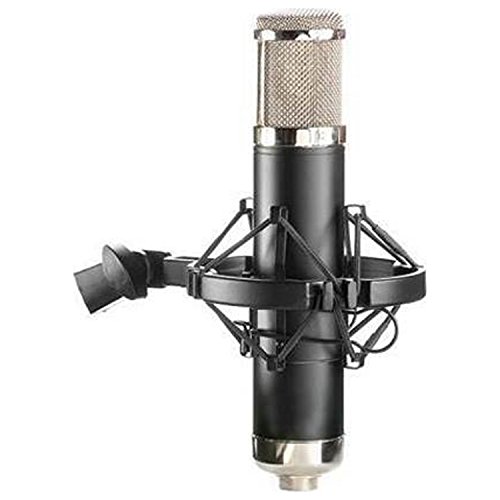
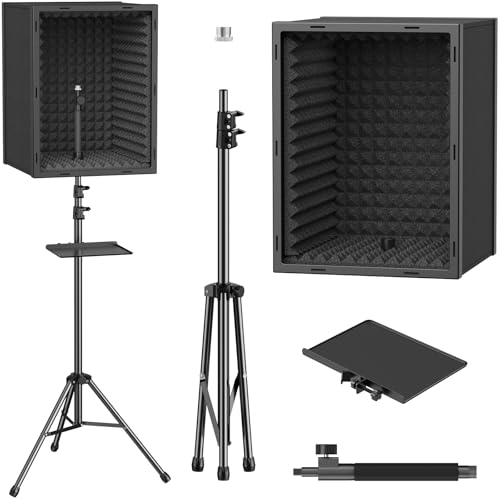
Included equipment can change the setup requirements. The AT2050 includes a shock mount and pouch; the P420 includes a shock mount and aluminum case; and the MXL 770X includes a shock mount, pop filter, cable, and cleaning cloth. The TAC1100 lists a shock mount and windscreen. The sE2300 package is the most accessory-heavy, adding an isolation shield, cable, pop filter, shockmount, and bag.
A bundled accessory is not necessarily a reason to choose one microphone over another. Confirm that the stand, interface, room treatment, and cable length fit your setup. The sE2300 bundle’s isolation shield also adds physical size, which may matter on a small desk or in a crowded studio.
Final recommendation
sE Electronics sE4400 ranks first overall in this specification-based comparison under the published weighted criteria.
Neumann U87 Ai Set Z is the highest-scoring returned product and the first overall specification-based choice among the best cardioid multi-pattern condenser microphones. Its documented large-diaphragm design, balanced response, and three polar patterns make it the clearest premium studio pick from the supplied evidence.
For more built-in control flexibility, the sE Electronics sE4400 and T2 are stronger matches because both document four patterns, low-cut filters, and attenuation pads. The Audio-Technica AT2050 is a balanced project-studio alternative, while the AKG P420 is especially well documented for loud and varied sources. The AKG C114 and sE2300 are sensible creator-oriented options, with the latter distinguished by its extensive bundle.
Among the top cardioid multi-pattern condenser microphones, the MXL 770X and Turnstile Audio TAC1100 are simpler choices with useful three-pattern layouts and included accessories. The Apex Apex460B is the specialist pick for shoppers specifically seeking a tube-style format, though its public listing supplies fewer technical details. Choose based on the documented controls and connection needs that match your room and source rather than assuming a single design suits every recording.
Frequently Asked Questions
Among the best cardioid multi-pattern condenser microphones, what does cardioid mean on a multi-pattern condenser microphone?
Cardioid is a directional pickup setting that focuses primarily on sound arriving from the front while reducing pickup from the sides and rear. On the best cardioid multi-pattern condenser microphones, it is one selectable option rather than the only available pattern. Omni and figure-8 settings can support room capture, front-and-back arrangements, or other recording techniques.
Do these microphones need phantom power?
XLR condenser microphones generally need power from a compatible interface, mixer, or preamp. The sE2300 listing specifically states 48V phantom-power operation. Before buying any selected model, confirm the power requirements and available connection on your recording equipment; the supplied listings do not provide a complete power specification for every product.
Are multi-pattern microphones useful for solo vocals?
Yes. Cardioid can be the starting setting for a solo vocal because it focuses the pickup toward the performer. The extra patterns become useful when the same microphone is moved to room capture, an instrument, or a two-source arrangement. A multi-pattern design adds options, but it does not guarantee a better vocal result in every room.
Which selected models document pads or filters?
The sE4400 and T2 document 40/80 Hz low-cut filters and -10/-20 dB pads. The AT2050 lists an 80 Hz high-pass filter and 10 dB pad, while the P420 lists a switchable attenuation pad. The sE2300 listing also mentions switchable pads. These controls can be useful when sources vary in loudness or when low-frequency buildup needs attention.
Is a bundle better than a microphone-only package?
A bundle may reduce the number of separate accessories needed, but it can also add equipment you already own or do not have room to use. The sE2300 bundle includes a shockmount, pop filter, isolation shield, cable, and bag; the MXL 770X includes a shock mount, pop filter, cable, and cloth. Compare those inclusions with your existing interface, stand, cable, and recording space before choosing.