Buying Guide
The best dual-core 2-in-1 laptops are defined by more than a processor name. A useful comparison also considers how the screen changes modes, whether the memory and storage fit the intended workload, and how easily the device connects to other equipment. The products selected here are documented as laptops, Chromebooks, convertibles, or detachable tablet-laptop systems with a dual-core processor listing or a processor designation that fits this category. This is a specification-based comparison using public listing data, not a hands-on test.
Start with the processor configuration
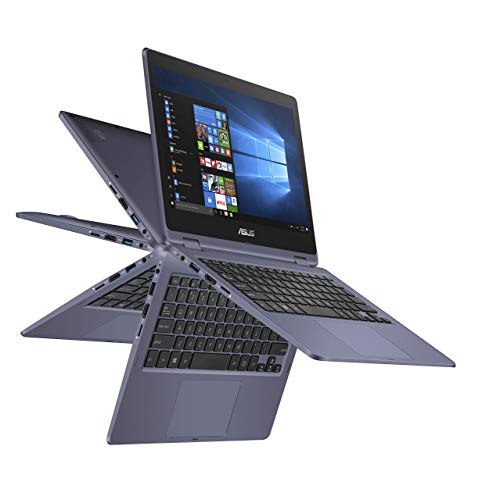
Dual-core hardware is generally aimed at everyday computing rather than specialized workstation tasks. The ASUS VivoBook Flip directly lists an Intel Dual Core Celeron N3350, while the Samsung 12.2-inch Chromebook identifies its Celeron 3965Y as dual-core. Other selected listings use names such as Intel Core i5-6600U, Core m3-8100Y, Pentium Gold 6500Y, or Core i3-1135G4. Because listing descriptions can contain inconsistent processor wording, check the exact configuration before selecting a model.
For documents, browser-based work, email, streaming, and light educational software, the processor should be considered alongside RAM and the operating system. The Dell Latitude 7200 pairs its listed Core i5 processor with 8GB RAM and a 256GB SSD. In contrast, the ASUS model uses 4GB RAM and 64GB eMMC storage, which is a simpler configuration for lighter tasks. A dual-core label alone does not describe the complete experience.
Choose between a 360-degree hinge and a detachable keyboard
A 360-degree hinge keeps the keyboard attached while allowing laptop, stand, tent, and tablet positions. The Lenovo IdeaPad Flex 5i, Tylvx, Omnica, ASUS VivoBook Flip, and Samsung Chromebook models document this style. It is convenient when switching repeatedly between typing and touch navigation because there is no separate keyboard to store.
A detachable design separates the display from the keyboard. The QAZIPO V10 Plus and QAZIPO 12-inch model document magnetic keyboards, while the Microsoft Surface Book is identified as a 2-in-1 notebook with a touchscreen. Detachable devices can be more comfortable for reading or drawing in tablet mode, but the keyboard arrangement and included accessories should be checked carefully. The QAZIPO models are particularly thin and light in tablet form, whereas the larger Tylvx and Omnica systems retain more conventional laptop proportions.
Match screen size and resolution to the task
Screen size affects both workspace and portability. These dimensions can suit reading, travel, and compact tablet use. The ASUS VivoBook Flip, Dell Latitude 7200, Samsung Chromebook Plus V2, and Samsung 12.2-inch Chromebook remain compact while offering somewhat more viewing room.
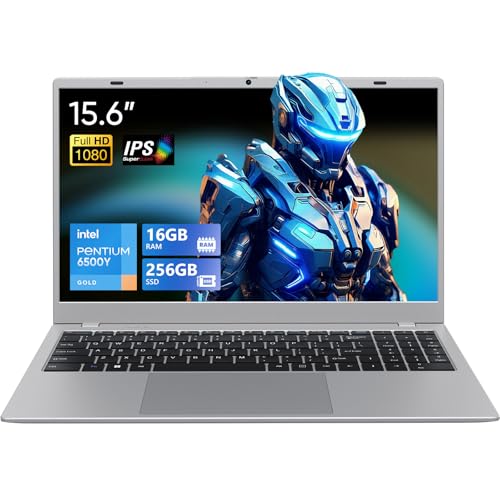
For split-screen documents or longer typing sessions, the 13.5-inch Microsoft Surface Book, 14-inch Lenovo IdeaPad Flex 5i, and 15.6-inch Tylvx and Omnica models provide larger canvases. Resolution also matters. The QAZIPO 12-inch model documents a 2K IPS touchscreen, while the Lenovo, Tylvx, and Omnica list FHD displays. Select based on the balance you want between visual workspace and carrying size.
Check memory and storage carefully
Memory and storage are separate specifications. RAM affects how many active applications and browser tabs a system can keep available, while storage holds the operating system, applications, and files. The QAZIPO 12-inch model leads this group with 12GB RAM and a 512GB SSD. The Tylvx also lists 16GB RAM and a 512GB SSD, and the Lenovo IdeaPad Flex 5i lists a 512GB NVMe SSD but only 4GB RAM.
The Dell Latitude 7200 and Microsoft Surface Book each document 8GB RAM and a 256GB SSD. The QAZIPO V10 Plus pairs 8GB RAM with a 256GB SSD in a much smaller detachable design. These smaller capacities may be adequate for cloud-focused use, but they leave less local room for files and applications.
Compare operating systems and included features
Windows and ChromeOS offer different software environments. Windows models in this selection include Windows 11 Home, Windows 11 Pro, Windows 10, or Windows 10 S Mode. The ASUS listing includes Windows 10 S Mode and Office 365.
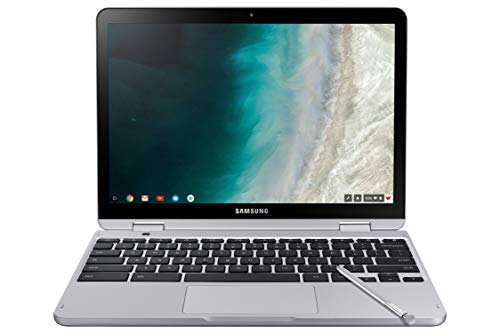
ChromeOS appears on the Samsung Chromebook Plus, Samsung Chromebook Plus V2, and other Chromebook configurations in the supplied listings. ChromeOS devices may appeal to users who primarily work in browser-based services and want a simple touch-friendly interface. The Samsung models add features that distinguish them from basic convertibles: the newer Samsung listing includes a stylus and wireless mouse, while the Chromebook Plus V2 lists a built-in pen and dual cameras.
Review ports, wireless features, and portability
Port selection can determine whether a convertible works at a desk without extra adapters. The Lenovo IdeaPad Flex 5i lists HDMI, USB-C, two USB Type-A ports, and a card reader. The Omnica lists HDMI, USB-A, USB-C data, Wi-Fi 5, and Bluetooth 5. The QAZIPO V10 Plus lists two USB-C ports, USB 3.0, Micro HDMI, Wi-Fi 5, and Bluetooth 5.0.
Weight varies substantially. The QAZIPO V10 Plus tablet is listed at 1.3 pounds, the QAZIPO 12-inch model at 1.4 pounds, and the Dell Latitude 7200 at about 1.9 pounds. The ASUS and Samsung Chromebook Plus V2 are listed at 2.8 and 2.98 pounds. The Tylvx, Omnica, and larger Lenovo models are heavier but provide larger screens. Consider whether the device will spend more time in tablet mode, on a desk, or in a travel bag.
Final Recommendation
QAZIPO 12-inch 2-in-1 Tablet Laptop ranks first overall in this specification-based comparison under the published weighted criteria.
Dell Latitude 7200 2-in-1 is the first overall specification-based choice among these best dual-core 2-in-1 laptops. Its 12.3-inch FHD touchscreen, 8GB RAM, 256GB SSD, convertible design, and listed 1.9-pound weight create a balanced profile for business and general Windows use. The top dual-core 2-in-1 laptops do not all serve the same purpose: the QAZIPO 12-inch model is better suited to users prioritizing memory and storage, the QAZIPO V10 Plus emphasizes tablet portability, and the Tylvx offers the largest screen in the selection.
The Microsoft Surface Book is a compelling alternative when its 13.5-inch touchscreen and Core i7 designation matter more than newer platform details. For ChromeOS users, the Samsung 12.2-inch Chromebook and Samsung Chromebook Plus V2 provide touch flexibility, with pen-related features documented on both. The ASUS VivoBook Flip remains a compact Windows option, while the Lenovo IdeaPad Flex 5i and Omnica provide larger touchscreens and useful ports. Always verify the exact processor, keyboard arrangement, operating system, and storage configuration in the current listing before choosing.
Frequently Asked Questions
What should I look for in the best dual-core 2-in-1 laptops?
Start with the exact processor model, then compare RAM, storage type, screen resolution, hinge or keyboard design, operating system, and ports. A model with 8GB or more RAM and an SSD may be a better fit for multitasking than one with 4GB RAM and eMMC storage, while a compact device may be preferable for tablet use and travel.
Are 360-degree hinges better than detachable keyboards?
Neither design is universally better. A 360-degree hinge keeps the keyboard attached and supports laptop, tent, stand, and tablet positions. A detachable keyboard lets the display function more independently as a tablet. The Tylvx and Omnica document four hinge modes, while the QAZIPO V10 Plus and QAZIPO 12-inch model use detachable magnetic keyboards.
Which selected models have the largest displays?
The Tylvx and Omnica each list 15.6-inch FHD touchscreens. The Lenovo IdeaPad Flex 5i lists a 14-inch FHD IPS multitouch display, and the Microsoft Surface Book lists a 13.5-inch touchscreen. Larger screens provide more working area but generally make the device less compact than 10.1-inch or 11.6-inch alternatives.
The Samsung 12.2-inch Chromebook listing includes a stylus pen, and the Samsung Chromebook Plus V2 lists a built-in pen that does not require charging. These features can support handwriting, sketching, and touch navigation, but the supplied listings do not provide independent measurements of pen accuracy or latency.
Is ChromeOS or Windows better for a dual-core convertible?
The answer depends on the software environment you need. Windows appears on models such as the Dell Latitude 7200, Lenovo IdeaPad Flex 5i, ASUS VivoBook Flip, and QAZIPO V10 Plus. ChromeOS appears on the Samsung Chromebook models. Compare the operating system with the applications, file formats, peripherals, and account services you plan to use.