Buying Guide
Choosing among the best instant-alert security cameras starts with deciding where the camera will operate and what should trigger a notification. Indoor plug-in models are usually simplest for nurseries, pets, and living spaces. Outdoor cameras need weather protection, suitable power, and a reliable network or cellular connection. Solar and cellular designs can extend coverage to places where outlets or home Wi-Fi are inconvenient.
Start with the alert type
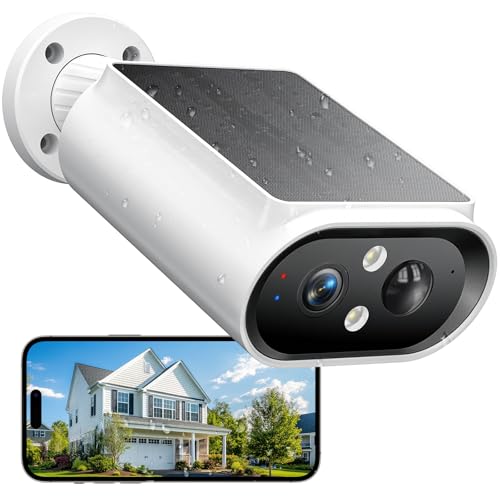
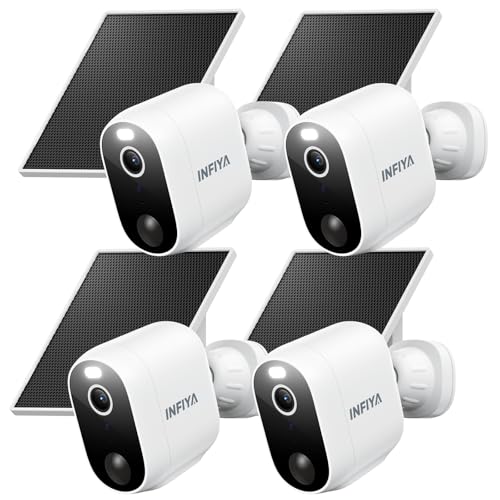
An instant alert is most useful when the camera can identify the event that matters. Basic motion detection sends a notification whenever movement crosses the sensing area. More selective systems add person, vehicle, pet, baby-crying, or humanoid detection. The SEHMUA JA-D300 lists humanoid detection and custom detection zones, while the INFIYA Z1 uses AI-enhanced PIR human detection. The REOLINK E1 adds cry alerts, and the SensForge SF-C2 lists human and pet categories.
Detection labels do not guarantee that every unwanted notification will be removed. They describe the feature offered by the listing, so placement and sensitivity settings still matter. Activity zones are useful when a camera also sees a sidewalk, road, trees, or another area where routine movement could create alerts. AlkiVision, Rraycom, and SEHMUA specifically document zone or sensitivity controls.
Match coverage to the space
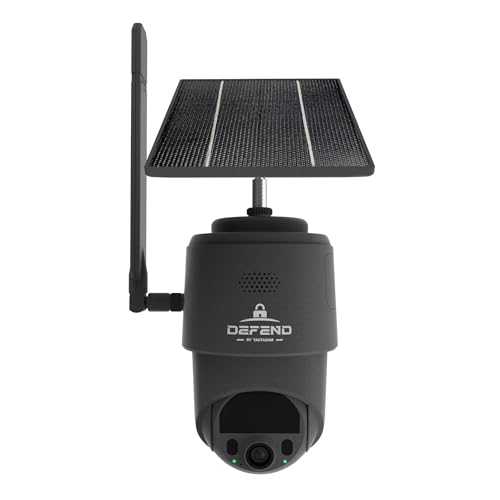
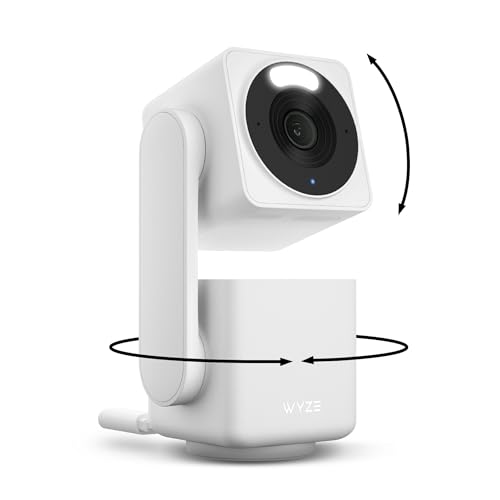
A fixed camera may be enough for a doorway or a single room, but pan-tilt models can follow movement or let you inspect more of an area remotely. The REOLINK E1 provides 355-degree pan and motion tracking. SensForge covers 360 degrees horizontally and 90 degrees vertically. Cellular Tefrio models add remote pan and tilt, while the TACTACAM Defend 360 lists remote pan, tilt, and zoom.
Multi-camera packages address several viewpoints without asking one lens to cover everything. SEHMUA includes four cameras, INFIYA includes four, and Blink Outdoor 4 is supplied as a three-camera system. Count the included cameras, base stations, panels, and mounting hardware before assuming a package is ready for every location.
Compare image and night features
Resolution helps describe the amount of image detail offered, but it is only one part of the specification. The selected products range from 1080p to 4MP and 2.5K or 2K descriptions. REOLINK lists 4MP, SensForge lists 2.5K, and several outdoor models list 2K. The TACTACAM listing separates 4K photos from 1080p video, which is an important distinction.
Night viewing also varies. Infrared night vision is listed on Blink, REOLINK, Tapo, and the indoor models. AlkiVision, SEHMUA, Rraycom, and some solar cameras describe color night vision, often with a spotlight. If color detail after dark is important, confirm that the listing describes color night viewing rather than only a general night mode.
Choose power and placement carefully
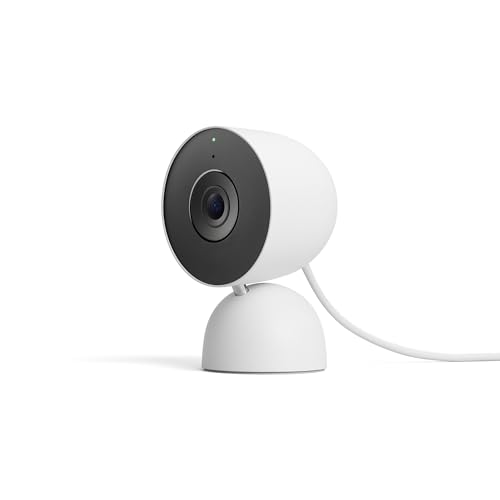
Plug-in cameras such as REOLINK E1 and SensForge are best suited to locations with a nearby outlet. Battery cameras reduce wiring, but their operating duration depends on use and conditions. Blink lists up to two years with its included batteries, while solar models combine a rechargeable battery with a panel.
Solar does not mean placement is unrestricted. The panel needs an appropriate location for charging, and the camera still needs a usable wireless or cellular signal. Outdoor protection ratings are useful specification clues: AlkiVision lists IP67, while INFIYA and the Rxuze CQ5 list IP65. These ratings describe protection classifications, not a guarantee that every installation will perform identically in every climate.
Cellular cameras are a distinct option for remote sites. TACTACAM and Tefrio use LTE rather than home Wi-Fi. That can solve a connectivity problem at a cabin, gate, or barn, but data service and network coverage become part of the setup. Tefrio explicitly lists compatible US networks and a required plan after its included trial period.
Review recording and network choices
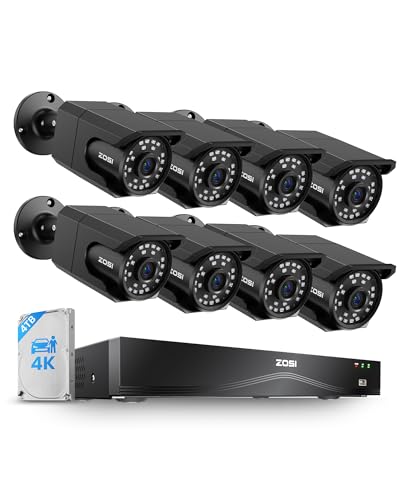
Storage affects how useful an alert remains after it arrives. Local options include microSD cards, built-in storage, NVRs, hubs, or included cards. REOLINK supports microSD, NVR, and Home Hub storage. SensForge includes a 64GB SD card, while SEHMUA lists built-in storage expandable to 256GB. Cloud recording may add remote access or longer history, but it can involve a subscription.
Network compatibility matters before installation. Rraycom and SensForge list dual-band Wi-Fi, whereas several cameras specify 2.4GHz operation. Cellular models avoid Wi-Fi but require an active cellular connection. Blink uses a Sync Module Core in the listed package, and SEHMUA includes an Ethernet cable for its base connection. These details can affect where each camera can be placed and how much equipment must stay near the router.
Consider communication and deterrence
Two-way audio appears across much of this selection and can help communicate with family members, visitors, or pets. Some outdoor models add a siren, spotlight, or both. AlkiVision, Rraycom, and INFIYA document light or siren functions, while Tapo and indoor models emphasize two-way communication. Treat these as response tools rather than substitutes for a broader security plan. Privacy features also deserve attention indoors; REOLINK documents a privacy mode that blocks the view and mutes audio.
Final Recommendation
SEHMUA Solar Security Cameras JA-D300 ranks first overall in this specification-based comparison under the published weighted criteria.
SEHMUA Solar Security Cameras JA-D300 is the highest-scoring returned product and the best instant-alert security cameras choice for broad outdoor coverage based on the supplied specifications. Its four-camera package, solar panels, panoramic movement, color night vision, humanoid detection, custom zones, and expandable local storage give it the most complete property-monitoring profile in this comparison.
The Tefrio CQ1S is the better fit when a site lacks Wi-Fi, while TACTACAM Defend 360 emphasizes remote positioning for off-grid locations. AlkiVision and Rraycom offer strong outdoor feature combinations, and Blink suits buyers who want a wire-free multi-camera system from a more established product line. For indoor use, REOLINK E1 and SensForge SF-C2 stand out for local storage and room coverage. Review power, network, and storage requirements before selecting among these top instant-alert security cameras.
Frequently Asked Questions
What makes the best instant-alert security cameras different from basic motion cameras?
They may add more selective detection, such as people, vehicles, pets, babies crying, or humanoid activity, instead of reporting every movement equally. Activity zones and sensitivity controls can also help focus notifications. The exact features vary by model, so check whether the camera documents the detection category and the controls you need.
Are solar security cameras suitable for every outdoor location?
Not necessarily. Solar cameras need a panel position that can receive useful sunlight, and they still require a suitable Wi-Fi or cellular signal unless the design provides another connection method. Weather ratings such as IP65 or IP67 are useful specifications, but they do not remove the need for careful mounting and placement.
Do instant-alert cameras require a subscription?
Some do for cloud recording or advanced detection, while others document local storage or include a memory card. REOLINK supports local storage routes without requiring a cloud service, and SensForge includes a 64GB SD card. Tefrio cellular models require a data plan for continued cellular operation. Check storage and service terms separately from the alert feature.
Is 2K better than 1080p for security cameras?
A 2K listing generally describes more image detail than 1080p, but useful results also depend on viewing angle, lighting, night mode, network quality, and storage settings. The TACTACAM listing, for example, distinguishes 4K photos from 1080p video. Compare the specific video resolution and night features rather than relying on a single label.
Can one pan-tilt camera replace several fixed cameras?
It may cover more directions when remotely moved or set to track activity, but it cannot necessarily view every direction at the same moment. Multi-camera packages such as SEHMUA, INFIYA, and Blink provide simultaneous viewpoints. Choose based on whether you need broad sequential viewing or continuous coverage of several separate areas.