Buying Guide
The best intel uhd graphics 605 laptops are generally entry-level notebooks built around Intel Pentium Silver N5000 or N5030 processors. The integrated UHD Graphics 605 appears across compact laptops, conventional 15.6-inch systems, large 17.3-inch models, and convertible designs. Because the graphics are integrated, the rest of the specification matters: memory, storage, display resolution, operating system, and portability can change the practical fit substantially.
This is a specification-based comparison using public listing data. It is not a hands-on test, and it does not summarize customer opinions. The rankings emphasize documented hardware and useful configuration differences rather than volatile marketplace information.
Start with the intended workload
These laptops are best matched with everyday activities such as web browsing, word processing, email, online learning, office documents, and media playback. Several listings describe streaming or everyday computing, but the supplied evidence does not establish gaming frame rates, application benchmarks, sustained performance, or battery results beyond the specific claims included in individual listings. Do not treat the presence of UHD Graphics 605 as a guarantee of performance in demanding software.
The processor is also important. The selected products use either the quad-core Pentium Silver N5000 or N5030. The Pentium configurations received stronger processor-fit scores because the listings document four cores. Several N5030 listings specify burst frequencies up to 3.1GHz, but that information should not be interpreted as a measured speed result.
Choose memory and storage carefully
Memory ranges from 4GB to 32GB in the selected group. The HP 17 with 32GB and the HP 15.6-inch model with 32GB provide the most generous documented memory headroom. The 16GB HP configurations are more balanced for routine multitasking, while 4GB models are better suited to lighter workloads and fewer simultaneous applications.
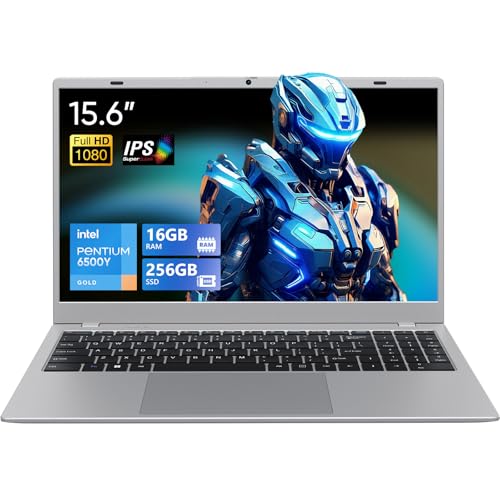
Storage type matters as well. PCIe or NVMe SSD configurations appear in the HP 15.6-inch models and the Lenovo IdeaPad 1 options. These provide solid-state storage with capacities from 128GB to 1TB. Other products use 64GB eMMC storage, which is a smaller capacity and may require more attention to files, applications, and cloud storage. The HP 14-inch FHD model lists combined storage involving 64GB eMMC and a docking-station set; shoppers should confirm how that arrangement works for their intended setup.
Match the screen to your workspace
Screen size is one of the clearest differences. The 17.3-inch HP models provide the most physical workspace and include touchscreens, but their listed weight is the current price. The 14-inch models reduce the footprint, and the Lenovo Flex 11 goes smaller still with an 11.6-inch touchscreen.
Resolution is not uniform. Most selected products list HD resolution, while the HP 14-inch FHD model documents Full HD terminology in its title and feature data. The 17-inch HP models specify HD+ at 1600 x 900. For reading dense documents or viewing more content at once, resolution and screen area deserve equal attention.
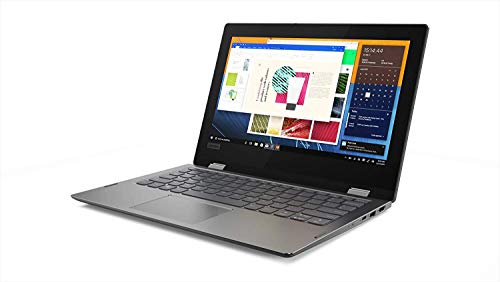
Touch and convertible designs are available from the HP Chromebook x360 14a, Lenovo Flex 11, and both HP 17 selections. These designs can be useful for touch navigation or flexible positioning, but the evidence does not establish hinge durability or stylus support. Verify those details before buying if they are essential.
Decide between Windows and ChromeOS
S mode can be a consideration for shoppers who need a broader application-installation environment, so check the operating-system requirements for your software. The Lenovo IdeaPad 1 with 128GB SSD lists Windows 11 Home without S mode, while the other Lenovo IdeaPad option lists S mode.
ChromeOS appears on the HP Chromebook models. It is a browser-centered operating system with a different application approach from Windows. The HP Chromebook x360 14a models also document touchscreens, Wi-Fi 5, and ChromeOS-specific features. Choose ChromeOS when your workflow fits that platform rather than assuming Windows programs will work the same way.
Check ports and portability
Port selection varies from compact convertible layouts to full-size 15.6-inch arrangements. The HP 15.6-inch models list USB-C, two USB-A ports, HDMI, and an SD card reader. The Lenovo Flex 11 adds USB-C, HDMI, and a 4-in-1 card reader. Several 14-inch models provide HDMI, USB-A, and microSD or media-card readers. These details can reduce the need for adapters, but port availability should still be matched to your peripherals.
Weight is clearest in the supplied specifications for the Lenovo Flex 11 at the current price, the HP 14-inch systems at about the current price, and the HP 15.6-inch models at the current price. The 17-inch HP laptops are listed at the current price. Dimensions and weight data can vary by listing, so confirm the final configuration before purchase.
Final recommendation
HP 17 17.3-inch Touchscreen, 32GB, 1TB SSD ranks first overall in this specification-based comparison under the published weighted criteria.
HP 17 17.3-inch Touchscreen, 32GB, 1TB SSD is the first overall specification-based choice.
The final choice among the best intel uhd graphics 605 laptops depends on the documented features that match your intended use. The HP 17 combines the largest documented display with 32GB memory, a 1TB PCIe SSD, touch input, and Windows 11 Pro in S mode. It is best for users who prioritize workspace and capacity over travel weight.
The top intel uhd graphics 605 laptops otherwise divide into clear groups. The HP 15.6-inch 32GB model is a conventional high-capacity Windows option, while the 16GB HP configurations provide balanced memory and storage. The Lenovo IdeaPad 1 with NVMe storage is a compact Windows choice, and the HP Chromebook x360 14a is the better fit for a ChromeOS convertible workflow. For portability, the Lenovo Flex 11 has the lowest documented weight among the selected products.
Before ordering, confirm the operating system, storage arrangement, display resolution, memory amount, and condition stated on the specific listing. Those details distinguish products that share the same UHD Graphics 605 designation.
Frequently Asked Questions
Are the best intel uhd graphics 605 laptops suitable for gaming?
The supplied listings describe everyday computing, media playback, or streaming, but they do not provide gaming benchmarks or frame-rate measurements. Treat these systems as entry-level laptops for basic tasks rather than assuming support for demanding games. The processor, memory, and storage configuration still affect the overall suitability of routine software.
Which selected laptop has the largest display?
The HP 17 17.3-inch Touchscreen, 32GB, 1TB SSD and the HP 17 17.3-inch Touchscreen, 16GB, 1TB SSD both document 17.3-inch HD+ touchscreens. They also list 4.52-pound weights, so the extra workspace comes with lower portability than the 14-inch and 11.6-inch choices.
Is 4GB of RAM enough for a UHD Graphics 605 laptop?
The 4GB models can fit basic browsing, documents, and other light tasks, but the supplied specifications do not establish performance under heavy multitasking. Buyers who expect to keep many applications or browser tabs open may prefer the selected 16GB or 32GB configurations. Memory is one of the most important differences between the products in this comparison.
Should I choose a Chromebook or Windows laptop?
Choose ChromeOS if your work is centered on browser-based tools and the Chromebook platform. Choose Windows when you need the Windows environment or broader application compatibility. The selected HP Chromebook x360 14a models use ChromeOS, while the other choices use Windows 10 or Windows 11 variants. Check software requirements before deciding.
What storage type appears in these laptops?
The comparison includes PCIe or NVMe SSDs, eMMC storage, and one listing with combined eMMC and docking-station storage. SSD-equipped models offer larger capacities in several configurations, including 512GB and 1TB options. eMMC models commonly list 64GB, so they may require more deliberate file management.