Buying Guide
Choosing the best rubber foam tape starts with reading the tape’s profile. The right combination of width, thickness, density, and adhesive design determines whether a roll seals a rattling door, dampens a vibration, or blocks a draft. This guide walks through the specification-based factors that distinguish the best rubber foam tape options in US 2026 so you can match each roll to the gap, channel, or surface you need to seal.
Match the Profile to the Gap
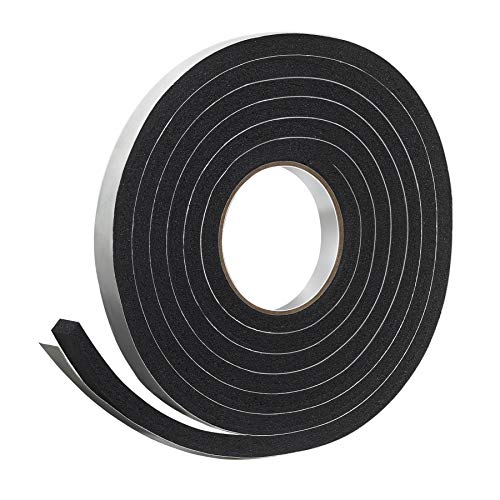
Compression is the single biggest factor in rubber foam tape performance. A 3/4-inch wide, 7/16-inch thick roll such as the Frost King R734H or Frost King R734WH fills oversized daylight gaps where thinner gaskets would bottom out. By contrast, a 3/8-inch wide, 3/16-inch thick roll like the Frost King R338WH fits tight window channels and slim door stops without forcing the frame out of alignment. Always measure the daylight gap at its widest point before choosing a profile.
Pick the Right Width and Thickness
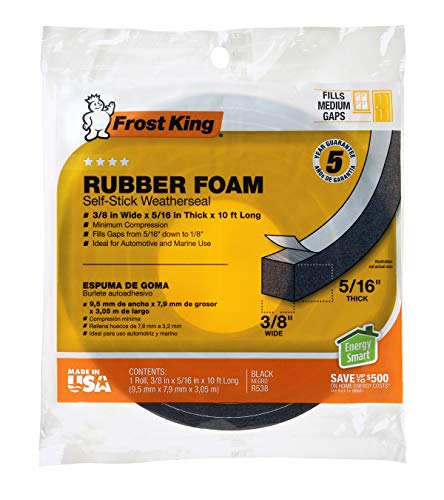
Width controls how much surface the tape covers, while thickness controls how far it compresses. The Frost King R538H and Frost King R538WH pair a 3/8-inch width with a 5/16-inch thickness for medium door stop gaps. For very narrow trim or HVAC panels, the Yotache Neoprene Rubber Foam Tape offers a 1-inch width at just 1/16-inch thick, while the Dualplex Neoprene Foam Strip Roll delivers a 4-inch face for door bottoms. Matching both dimensions to the application prevents both under-sealing and over-compression.
Evaluate the Adhesive Backing
Self-stick adhesive backing is standard across rubber foam tape, but strength varies. Premium EPDM rolls such as the Frost King V27BK use a backing designed to resist hardening and freezing, while neoprene CR foam blends like the Yotache tape list non-degumming adhesive with no glue residue. For dusty frames or long runs, the WOD SSFLDFT closed-cell sponge rubber foam tape combines a strong adhesive with a 50-foot length to keep installation consistent across multiple openings.
Check Material Density and Resilience
Material composition controls how a tape holds its shape after repeated compression. EPDM rubber foam, as found in the Frost King V27BK, is engineered for outdoor durability and vibration damping. Closed-cell neoprene blends, used in the Dualplex and Yotache rolls, repel water and oil. Traditional sponge rubber foam, used across the Frost King weatherstripping range, balances flexibility with minimum compression behavior. Higher density usually means longer service life in high-traffic seals.
Consider Application Versatility
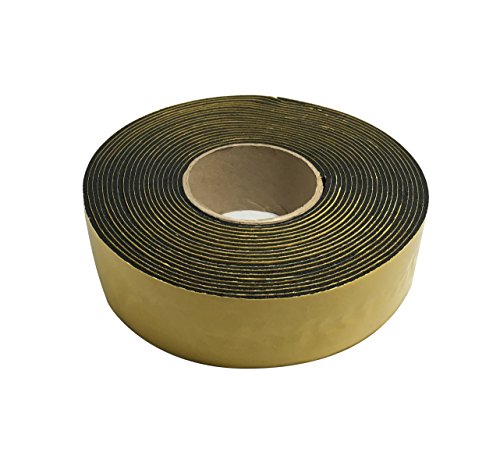
Some tapes specialize in one job while others cover multiple projects. The Yotache Neoprene Rubber Foam Tape lists door, window, furniture, speaker, toy, and HVAC uses, making it one of the most versatile rolls in this comparison. The Frost King IT30/8 Rubber Insulation Tape, by contrast, is engineered for pipe insulation and is less suited to gap sealing. Define whether you need a generalist roll or a purpose-built gasket before buying.
Compare Length and Roll Value
Roll length affects how many doors or windows you can seal per purchase. The WOD SSFLDFT supplies 50 feet for large sliding doors, while the Frost King IT30/8 delivers 30 feet for pipe runs. Shorter 10-foot rolls, including the Frost King R538H and Frost King V27BK, are sized for single-room repairs. Pair the roll length to the scope of your project so you avoid running short mid-install.
Final Recommendation
Frost King R734H Sponge Rubber Foam Tape, 3/4" x 7/16" x 10’ ranks first overall in this specification-based comparison under the published weighted criteria.
The final choice among the best rubber foam tape depends on the documented features that match your intended use.
Among specification-matched rolls, the Frost King R734H Sponge Rubber Foam Tape stands out as the first overall specification-based choice thanks to its 3/4-inch width, 7/16-inch thickness, minimum compression design, and documented automotive and marine sealing roles. For projects that need a slimmer gasket, the Frost King R338WH handles tight window channels, while the Yotache Neoprene Rubber Foam Tape covers broad multi-use sealing at a thin profile. Together these options represent the top rubber foam tape choices for typical US weatherstripping, door stop, and pipe insulation tasks in 2026.
Frequently Asked Questions
What width and thickness of rubber foam tape should I use for a standard door stop?
A 3/8-inch wide, 5/16-inch thick roll such as the Frost King R538H or Frost King R538WH fits most standard door stops and balances compression against frame clearance.
Is closed-cell rubber foam tape better for outdoor use?
Closed-cell foam resists water absorption, which makes the Dualplex Neoprene Foam Strip Roll, WOD SSFLDFT, and Yotache Neoprene Rubber Foam Tape strong candidates for exterior doors and marine or automotive panels.
Can the best rubber foam tape reduce door rattle and vibration?
Yes. The Frost King V27BK EPDM Rubber Weatherseal Tape lists cushioning and vibration reduction as design features, making it well suited for rattling doors, hatches, and panels.
How do I pick the best rubber foam tape for large sliding doors?
Large sliders benefit from longer rolls with closed-cell construction. The WOD SSFLDFT Closed Cell Sponge Rubber Foam Tape supplies 50 feet of 3/8-inch by 3/16-inch gasket material designed to stop drafts and rattle.
Does rubber foam tape work for pipe insulation as well as weatherstripping?
Some rolls are dual-purpose, but pipe insulation rolls like the Frost King IT30/8 Rubber Insulation Tape focus on heat loss and condensation control, so choose a tape whose listed applications match the job you need to complete.