Buying Guide
The best car window weather stripping is not selected by length alone. A useful comparison starts with the location of the gap, the seal profile, the available width, the backing method, and the amount of material supplied. The products in this guide are universal or cut-to-length listings rather than vehicle-specific fitments, so the supplied dimensions should be checked against the window edge before installation.
Match the seal profile to the gap
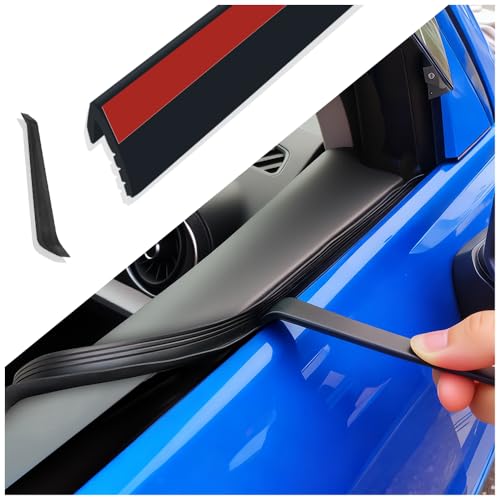
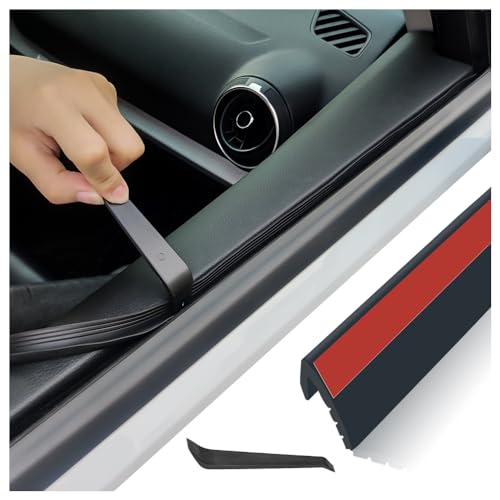
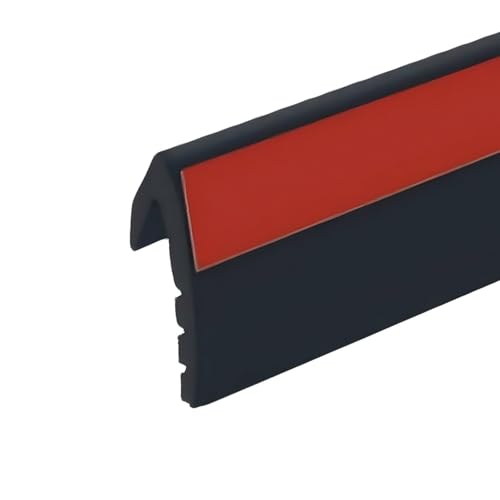
Most of the selected products use a V-shaped profile. VKQTS, Bvcurdw, SPGICRM, Figpade, QKYS, carleef, OFBAND, and Ferianl describe a V shape intended to embed into a window gap. This design is documented as a way to fill the space along the window edge while leaving the strip flexible enough to follow the vehicle contour. A V-shaped strip may be suitable when the gap has a channel or edge that can receive the profile, but the listings do not establish universal fit for every vehicle.
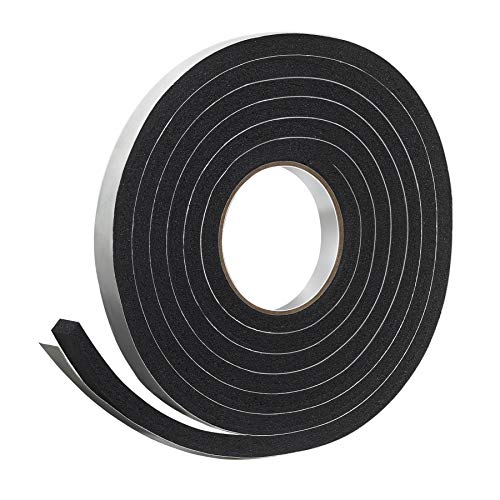
SSNNUU and EWOJUYE use a flatter-looking edge-seal format in their supplied descriptions. SSNNUU lists a 0.79-inch width and 0.05-inch thickness, while EWOJUYE provides the same 0.79-inch width and 0.05-inch thickness in its size description, with TPE identified as the material. These dimensions can be useful when a broader edge strip is more appropriate than a narrower V-shaped profile. The actual gap shape remains the deciding factor.
Measure width, thickness, and total path
Before ordering, measure the section that needs sealing. Several selected listings specify 13.12 feet of material, but the widths differ. The V-shaped products from VKQTS, Bvcurdw, SPGICRM, Figpade, QKYS, carleef, OFBAND, and Ferianl are listed at 0.60 inches wide. SSNNUU and EWOJUYE list 0.79 inches, with EWOJUYE also stating a 0.05-inch thickness. A difference of a fraction of an inch can affect whether the strip seats correctly or crowds the moving glass.
Measure the full intended path rather than estimating from one side of the window. Then allow for trimming at corners and ends. The selected listings describe their rolls as cuttable, but none supplies a vehicle-specific cutting pattern. Keep the window mechanism in mind as well: SSNNUU’s listing specifically says the strip does not affect window lifting when used as intended, while other listings do not make that same statement.
Consider the material description
Rubber is the dominant construction among the selected V-shaped products. QKYS specifically describes soft, elastic rubber with high- and low-temperature resistance. The other V-shaped listings describe flexibility, toughness, tensile strength, wear resistance, or resistance to peeling. These are listing claims, not independent durability test results, but they help distinguish the documented construction details.
EWOJUYE identifies TPE and states that the material remains soft yet strong, while SSNNUU identifies quality rubber and describes flexibility and elasticity. If the seal must follow a curved window edge, flexibility is an important specification to compare. If the application is exposed to heat or changing weather, look for the material and environmental claims supplied for the particular product rather than assuming all rubber compounds are identical.
Review the adhesive and installation process
All ten selected products use an adhesive-backed or self-adhesive installation approach. The common preparation step is to clean the window gap and let it dry before applying the strip. This matters because the listings repeatedly make a clean, dry surface part of the installation process.
Several products include an installation aid. VKQTS, Bvcurdw, SPGICRM, Figpade, QKYS, and OFBAND list an installation or trim tool, while carleef lists a pry bar tool. Those tools may help press the strip into a gap or remove trim during preparation, but the supplied evidence does not establish how well any tool performs on a particular vehicle.
The post-installation instructions vary. VKQTS, SPGICRM, Figpade, carleef, and Ferianl state that water should be avoided for two to three days. EWOJUYE says not to wet the area or roll down the window for 24 hours. Follow the instructions for the selected product, and avoid treating the stated waiting period as interchangeable between models.
Compare vehicle and position coverage
The selected listings generally state compatibility with cars, trucks, and SUVs. Several extend that coverage to RVs, vans, buses, campers, trailers, or boats. Bvcurdw and SPGICRM provide especially broad application descriptions, while QKYS and OFBAND specifically mention front and rear windows. Ferianl also lists window frames and multiple vehicle types.
Universal wording should be treated as application guidance, not a confirmed fit for every vehicle. A vehicle-specific replacement part may offer a more exact profile, but it was excluded from this comparison because this category focuses on general car window weather stripping and the requested products must independently support a useful universal comparison. Use the vehicle’s window design, gap shape, and operating clearance as the final checks.
Installation checklist
- Identify whether the strip belongs on the window edge or inside a defined channel.
- Measure the gap and compare it with the listed width and thickness.
- Clean the mounting surface and allow it to dry fully.
- Test-position the strip before removing the backing.
- Apply it in manageable sections and press it into the intended path.
- Trim excess material only after checking the complete route.
- Follow the supplied waiting period before exposing the adhesive to water or operating the window, where instructed.
This process cannot replace vehicle-specific instructions, and the public listings do not provide hands-on fit verification. It does, however, keep the comparison focused on the specifications that can be checked before installation.
Final recommendation
VKQTS 13.12-Ft V-Shape Window Seal ranks first overall in this specification-based comparison under the published weighted criteria.
The final choice among the best car window weather stripping depends on the documented features that match your intended use.
VKQTS 13.12-Ft V-Shape Window Seal is the highest-scoring returned product and the first overall specification-based choice. Its documented V-shaped profile, 0.60-inch width, rubber construction, adhesive backing, trim tool, and stated front- and rear-window coverage give it the most complete documented specification set in this comparison.
Bvcurdw and SPGICRM are close alternatives when broad vehicle coverage matters, especially for recreational vehicles and other listed applications. Figpade and OFBAND provide similar V-shaped formats with installation tools. QKYS is the more material-focused option because its listing specifically mentions high- and low-temperature resistance. carleef is useful when the adhesive-warming guidance and pry bar are relevant to the installation.
For a wider edge strip, compare SSNNUU and EWOJUYE carefully against the actual gap. SSNNUU provides a 0.79-inch-wide rubber strip, while EWOJUYE identifies TPE and gives both width and thickness. Ferianl rounds out the V-shaped group with broad vehicle coverage and flexible rubber claims. Together, these are the top car window weather stripping options in this specification-based selection, but none should be installed without checking dimensions and operating clearance.
Frequently Asked Questions
How do I choose the best car window weather stripping for my vehicle?
Start by measuring the gap and comparing it with the listed width, thickness, and profile. Most selected options are V-shaped and 0.60 inches wide, while SSNNUU and EWOJUYE list 0.79-inch-wide formats. Also confirm whether the strip is intended for the window edge, a frame gap, or another position, and check that it will not interfere with the moving glass.
Are V-shaped window seals suitable for front and rear windows?
The listings for VKQTS, Bvcurdw, SPGICRM, Figpade, QKYS, carleef, OFBAND, and Ferianl state use on front and rear windows or window frames. That wording describes the intended application, not a confirmed fit for every car. Measure the gap and inspect the channel or edge before installation.
What should I do before applying adhesive-backed stripping?
Clean the mounting area thoroughly and let it dry. The selected listings commonly instruct users to apply the adhesive in sections, press the strip into place, and trim the excess. Some also recommend a supplied tool or optional adhesive warming. Follow the individual listing’s instructions rather than assuming every adhesive behaves identically.
How long should the seal remain dry after installation?
The instructions differ. VKQTS, SPGICRM, Figpade, carleef, and Ferianl specify avoiding water for two to three days, while EWOJUYE specifies 24 hours before wetting the area or rolling down the window. Use the waiting period stated for the product you install.
Can one roll cover every window on a vehicle?
The selected rolls are generally listed at about 13 feet, but coverage depends on the number and length of window gaps and the amount trimmed at corners. Measure the complete route before ordering. A roll may cover one section or several sections, but the supplied evidence does not establish a universal amount for every vehicle.