Buying Guide
Choosing among the best 3-inch roof flashings starts with the pipe measurement, not the product label alone. A listing may describe a flashing as “3-inch” because it fits a 3-inch pipe, accepts diameters up to 3 inches, or begins at 3 inches and extends to larger sizes. Measure the pipe’s outside diameter and compare that number with the stated fit range before selecting a model.
Match the flashing to the pipe
The most direct matches in this comparison are the Oatey 14038 and Dektite DST103B, both listed for 3-inch pipe applications. The Oatey 12946 is also a direct 3-inch model, while the Oatey 11815, Oatey 11937, Oatey 12403, and Water-Tite 81700 provide multi-size coverage that includes 3 inches. Multi-size designs can be useful when the pipe measurement is uncertain, but the collar still needs to be prepared for the actual diameter.
The Dektite DFE102B covers sizes up to 3 inches, so it is appropriate when the measured outside diameter does not exceed that limit. The Dektite DF104G and DFE204RE begin at 3 inches and are better suited to a 3-inch pipe that may be larger than nominal size or to larger penetrations. Always use outside diameter rather than relying only on nominal pipe terminology.
Consider roof pitch
Roof slope is one of the most useful documented differences between these products. The Oatey 14038, Dektite DST103B, and Water-Tite 81700 list coverage up to 45 degrees. The Oatey 12946, Oatey 11815, Oatey 12403, and Oatey 11937 provide less complete or narrower pitch information, so the roof slope should be checked against the manufacturer’s installation instructions before purchase.
A flexible base can help a flashing conform to a roof surface, but flexibility should not be treated as proof of compatibility with every roof. The Dektite DF104G is described for uneven metal roofing, and the flexible Dektite DFE102B is also oriented toward metal-roof applications. For shingle roofs, the Dektite DST103B explicitly identifies asphalt shingle compatibility, while several Oatey products document general roof-pitch or Type B information without naming a specific shingle construction.
Select the base material
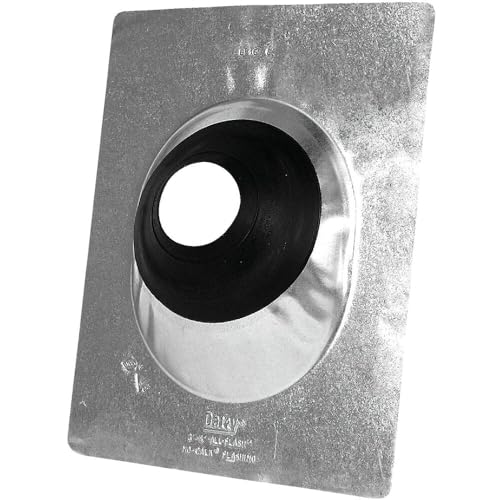
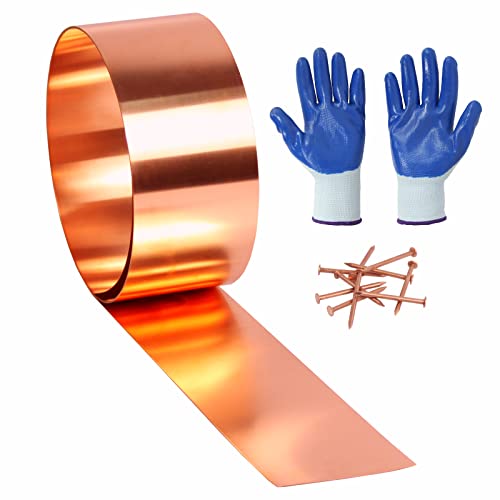
Base construction affects how a product fits the project. The Oatey 12946 uses a rustproof stamped aluminum base, and the Oatey 11815 uses galvanized steel. The Oatey 12403 provides a copper base. These metal-base choices may be relevant where a specific material is preferred or where a larger base is needed; the Oatey 12946 listing identifies an 18-by-18-inch base for code-required areas.
Plastic and hard-plastic options include the Oatey 14038, Oatey 11937, Water-Tite 81700, and Dektite DST103B. The Oatey 14038 is described as completely flexible and foldable, while the Water-Tite 81700 and Dektite DST103B use hard-plastic or thermoplastic base designs. The right choice depends on roof construction, pitch, installation instructions, and the base dimensions required around the penetration.
Check collar material and heat limits
Standard vent applications can often be compared using the stated heat specifications. The Oatey 14038, Oatey 12946, Oatey 11815, Oatey 12403, and Water-Tite 81700 list 180°F continuous heat capability or testing. The Dektite DFE102B lists an EPDM service range from -58°F to 239°F, and the Dektite DF104G lists the same range.
For higher-temperature applications, the Dektite DFE204RE uses silicone and lists continuous service from -58°F to 392°F. Its listing specifically includes stove pipes, chimneys, heating, and exhaust vents. That specification makes it a more appropriate candidate for documented high-temperature uses than a standard vent flashing, but the pipe, roof, and installation must still meet the applicable instructions.
Review installation requirements
No-caulk designs appear throughout the selection. The Oatey 14038, Oatey 11815, Oatey 12403, and Oatey 11937 are described as slide-over or no-caulk products. This does not mean the entire roof penetration is automatically sealed without following the installation method; fasteners, roof integration, and any required compatible sealant remain project considerations.
The Dektite DFE102B and DF104G provide more specific metal-roof fastening information. The DFE102B calls for fastening the aluminum collar with metal-roof screws at stated intervals, while the DF104G describes fastening around the collar for uneven metal roofing. The Dektite DFE204RE is also a trim-to-fit boot, with the cone sized to the pipe outside diameter.
Account for documented exclusions
Several selected products state that petroleum-based products, mastics, sealing compounds, or paint should not be used on the collar. The Oatey 14038, Oatey 11815, Oatey 12403, Oatey 11937, and Water-Tite 81700 also include restrictions related to hot-mopped or built-up roofs where specified. These exclusions matter because an otherwise correct pipe size does not establish compatibility with every roofing system.
The phrase top 3-inch roof flashings should therefore be understood as a comparison of documented specifications, not a universal installation recommendation. Before ordering, verify the roofing material, roof slope, pipe outside diameter, temperature exposure, base dimensions, and any applicable code or manufacturer requirements.
Final Recommendation
Water-Tite 81700 Multi-Size Roof Flashing ranks first overall in this specification-based comparison under the published weighted criteria.
The Oatey 14038 Flex Flash No-Calk Roof Flashing is the first overall specification-based choice among these best 3-inch roof flashings because it combines a direct 3-inch fit, flexible foldable construction, no-caulk collar, 0-to-45-degree pitch coverage, and a documented 180°F rating. It is especially compelling for a standard pitched-roof vent application when the stated exclusions do not apply.
For asphalt shingles, the Dektite DST103B offers the clearest roof-specific fit and also reaches 45 degrees. Choose the Oatey 12946 when a larger rustproof aluminum base is important, or the Oatey 12403 when copper is the preferred base material. The Water-Tite 81700 and Oatey 11815 are sensible multi-size alternatives, while the Oatey 11937 emphasizes a plastic no-caulk format.
For metal roofing, compare the Dektite DFE102B and DF104G according to the pipe measurement. The DFE102B tops out at 3 inches and has a compact base; the DF104G begins at 3 inches and extends to 6-1/4 inches. If the penetration involves a stove, chimney, heating, or exhaust application, the Dektite DFE204RE has the highest documented silicone temperature range in this selection. These top 3-inch roof flashings should still be installed only where their listed materials, sizing, pitch information, and use restrictions match the project.
Frequently Asked Questions
What size pipe does a 3-inch roof flashing fit?
It depends on the product’s stated range. Some selected models fit exactly 3-inch pipe, some accommodate sizes from 1-1/2 to 3 inches, and others begin at 3 inches and fit larger pipe. Measure the outside diameter and compare it with the specific listing rather than assuming every nominal 3-inch pipe has the same outside measurement.
Which of the best 3-inch roof flashings is suitable for a steep roof?
The Oatey 14038, Dektite DST103B, and Water-Tite 81700 list coverage up to 45 degrees. The Oatey 12946, Oatey 11815, and Oatey 12403 list coverage up to 40 degrees. Products without a stated pitch range should be checked against their installation documentation before use on a steep roof.
Which selected flashing is intended for high-temperature applications?
The Dektite DFE204RE lists a silicone continuous service range from -58°F to 392°F and names stove pipes, chimneys, heating, and exhaust vents. That is a higher documented temperature range than the 180°F specifications listed for several standard vent flashings. Confirm that the full installation is suitable for the actual pipe and roof system.
Can a no-caulk flashing be used on any roof?
No. A no-caulk collar describes part of the flashing design, not universal roof compatibility. The Oatey products selected here include restrictions for some roof types and materials, and the Dektite products have specific metal- or shingle-roof applications. Check the roof material, pitch, fasteners, and prohibited sealants in the product instructions.
Should I choose EPDM, silicone, plastic, aluminum, galvanized steel, or copper?
Use the material information to match the application. EPDM options such as the Dektite DFE102B and DF104G provide documented temperature ranges for metal-roof boots. Silicone, as used by the Dektite DFE204RE, offers the highest listed heat range here. Plastic and hard-plastic models can provide flexible or multi-size designs, while aluminum, galvanized steel, and copper offer different base-material choices. Compatibility and installation requirements should decide the final selection.