Buying Guide
Finding the best atomic weather stations starts with understanding what separates a true self-setting console from a generic digital thermometer. The best atomic weather stations receive the WWVB signal broadcast from Colorado, automatically adjust for daylight saving time, and stay accurate to the second across multiple US time zones. Pair that with barometric pressure sensing and reliable remote sensors and the device becomes a true home weather center rather than a simple clock.
Display size and readability
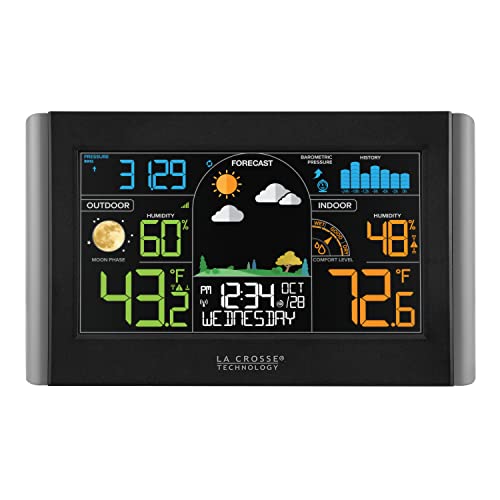
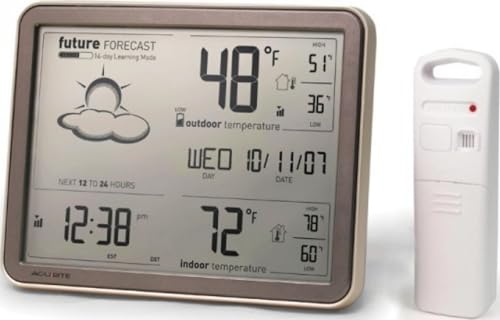
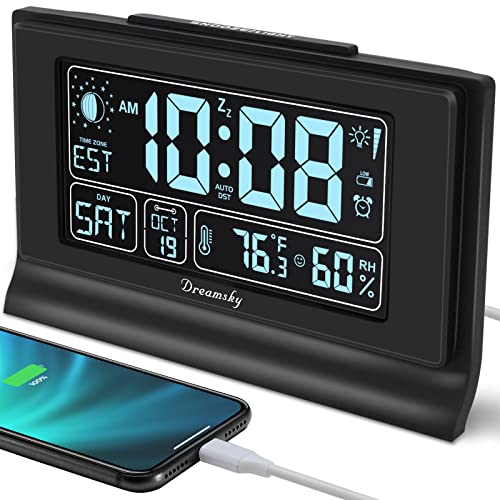
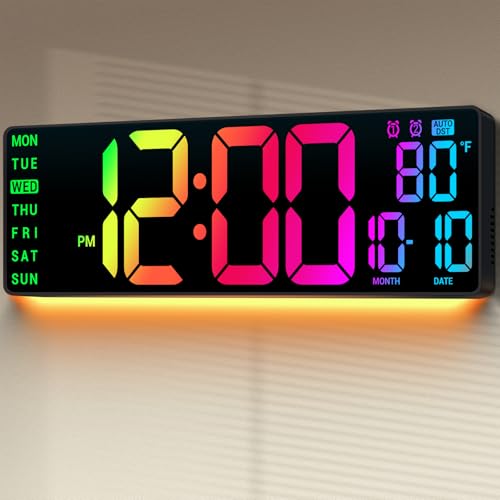
A weather station only helps if you can read it across the room. Many of the best atomic weather stations now ship with 7.5-inch color screens or larger, high-contrast VA panels, and multi-step adjustable backlights. Units such as the BluSon and DreamSky models push bold digits and colorful icons, while the AcuRite 75077A3M keeps things simple with a large monochrome panel that emphasizes clarity over flash.
If you mount the console in a bright kitchen or an entryway, prioritize a VA or HD color panel with several brightness steps. If the station will live in a bedroom, look for a low-nightlight mode or automatic brightness drop so the backlight does not disturb sleep.
Atomic clock and time sync
Every model in this guide receives the WWVB signal and adjusts itself, but the implementation varies. The La Crosse Technology S77925-INT and C85845-INT support seven time zones with automatic DST reset, while the Fokey unit extends that to seven zones plus a daily WWVB sync. The DreamSky and BluSon consoles add dual alarms so the weather station can replace a bedside clock entirely.
Buyers outside the most specification-aligned WWVB coverage area should confirm that the station also supports manual time setting, since signal strength can drop in shielded rooms or far western locations.
Sensor coverage and wireless range
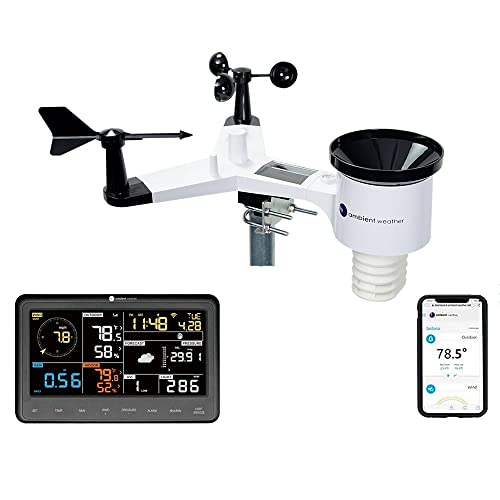
Outdoor readings depend on the wireless link between the console and the remote sensor. Several La Crosse models advertise 330-foot open-air ranges, and the BluSon station matches that figure while supporting up to three sensors. If your property is large or you want readings from a detached garage, greenhouse, or basement, prioritize stations with the longest documented range and the most expandability.
The Kalawen and FORAY bundles ship with three sensors, so multi-zone monitoring is possible on day one. Single-sensor packages can still reach multi-room coverage, but only after buying additional units.
Forecast engine and barometric pressure
Forecasts are generated locally from barometric pressure trends rather than from internet data, so accuracy depends on how long the station has been collecting pressure history. The La Crosse 308-1417 and S77925-INT both visualize the last 24 hours of pressure, which makes short-term trend shifts easier to interpret. The AcuRite 75077A3M goes further with a self-learning algorithm that refines its predictions for your specific location over time.
Expect a calibration window of roughly seven to ten days before the forecast matches local conditions with confidence, and remember that local forecasts will always be less granular than regional broadcasts from national services.
Alerts, comfort data, and history
The best atomic weather stations track more than just temperature. Look for high and low alerts on both temperature and humidity, dew point, heat index, and MAX/MIN history.
If you manage a nursery, wine cellar, or greenhouse, alerts and humidity tracking may matter more than a fancy forecast icon.
Power options and backup resilience
Most full-size consoles run on an AC adapter with a battery backup that preserves the clock during outages. Battery-only models like the La Crosse 308-1417 trade constant backlight for portability.
Final recommendation
Fokey Weather Station with Display Sensor ranks first overall in this specification-based comparison under the published weighted criteria.
The AcuRite 75077A3M stands as the first overall specification-based choice among the top atomic weather stations thanks to its self-learning forecast engine, reliable WWVB atomic clock, and simple large-format display. For buyers who prefer a vivid color console, the La Crosse Technology S77925-INT and BluSon models are top atomic weather stations to consider, while the Kalawen and FORAY bundles are the most specification-aligned picks when you want multiple remote sensors included from day one. Any of these best atomic weather stations will deliver accurate self-setting time, dependable indoor and outdoor readings, and a forecast that improves the longer it runs in your home.
Frequently Asked Questions
What makes the best atomic weather stations different from regular digital weather stations?
The best atomic weather stations include a built-in WWVB radio receiver that automatically sets the time and date from the atomic clock signal and updates for daylight saving time. Regular digital weather stations may show the time but require manual setting and DST adjustment.
How many remote sensors do I need for whole-home monitoring?
For most households, two to three remote sensors cover the main living areas plus an outdoor location. Stations such as the Kalawen and FORAY ship with three sensors, while BluSon and DreamSky consoles accept up to three sensors when purchased separately.
Do the atomic weather stations need Wi-Fi?
No. These models generate local forecasts from barometric pressure trends and rely on the WWVB radio signal for time, so they work without an internet connection. They are a good fit for cabins, RVs, and workshops where Wi-Fi may be unreliable.
How long does the forecast calibration take?
Most manufacturers recommend a seven to ten day calibration window so the station can learn your local pressure patterns. During that period the forecast icons may not yet match local conditions precisely, but accuracy usually improves once the baseline is established.
Are atomic weather stations accurate indoors and outdoors?
Yes, when sensors are placed correctly. Indoors, keep the console away from direct sunlight and heating vents. Outdoors, mount the remote sensor in shade at least five feet above the ground and shield it from rain splash for the most representative readings.